
Softr vs Glide: a factual comparison for no-code app builders

Softr and Glide both turn a spreadsheet or database into a working app without code, but they get there differently and they’re built for different people. Both platforms connect to external data and publish a hosted web application, though the way that app comes together, and who it’s meant for, isn’t the same.
Here’s what each platform actually does, what it costs where that’s confirmed, and where Sticklight fits as a third option if you need more than a data-driven app.
- Softr builds web apps, client portals, and internal tools on top of Airtable, Google Sheets, Notion, or its own database, using pre-built UI blocks.
- Glide (GlideOS) builds data-driven apps from Google Sheets, Excel, Airtable, or a native Glide table, and delivers them as installable Progressive Web Apps.
- Glide’s pricing is published and verified: a Free plan, a Solo plan at $25 per month, and a Team plan starting at $125 per month for a 5-member minimum.
- Softr’s official pricing page doesn’t return confirmed dollar figures as of this writing, so check their site for current pricing.
- Neither platform gives you a freeform visual canvas or a native code editor. Both rely on structured, form-based configuration instead.
- Sticklight is a different category: a vibe-coding platform that generates production-ready full-stack sites, apps, dashboards, CMS, and internal tools from a prompt, built by the Elementor team.
What Softr and Glide are built for
Softr is a no-code platform built for small teams, operators, and agencies that need to turn existing data into a usable interface, things like client portals, directories, and internal tools. It connects to Airtable, Google Sheets, or Notion as external data sources, or to its own built-in database, and assembles the interface from a library of pre-built UI blocks such as lists, tables, forms, and calendars.
Glide (GlideOS) starts from the same core idea, turning a data source into an app, but leans more toward Progressive Web Apps that install like a native app on a phone. It reads from Google Sheets, Excel, Airtable, or a native Glide table, and its builder is visual and form-based rather than a freeform canvas.
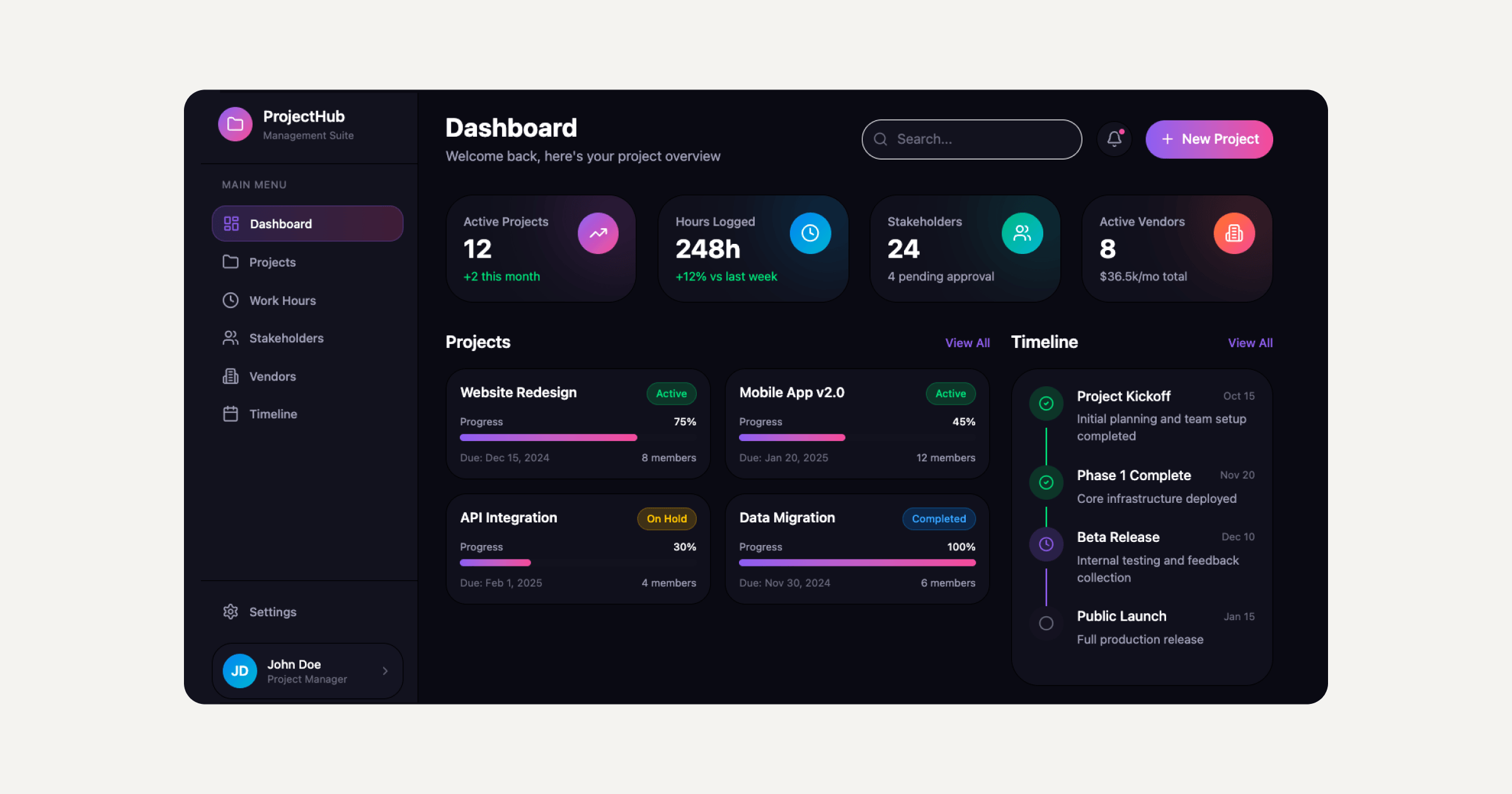
How Softr and Glide build and host apps
Neither platform gives you a native code editor or a freeform drag-and-drop canvas. Configuration happens through settings panels and structured blocks instead. Softr outputs a hosted web application and doesn’t compile to native iOS or Android binaries. Glide’s output is a Progressive Web App, an installable web app rather than a compiled App Store or Play Store binary.
Both platforms handle hosting themselves once you publish, so there’s no separate hosting step with either one. The real difference between them is how far each lets you go past its own data-first framework, since both are built around that framework rather than a general-purpose prompt-to-app model.
Pricing side by side
Glide’s pricing is published and confirmed on its official pricing page. The Free plan is $0 per month. The Solo plan is $25 per month and includes a database and five projects. The Team plan starts at $125 per month for a five-member minimum, plus $10 per additional member. Glide’s Enterprise plan is custom-priced and adds single sign-on, custom connectors, and a dedicated success manager. As of this writing, Glide’s pricing page notes that annual billing plans are “coming soon,” so monthly billing is what’s currently on offer.
Softr’s official pricing page renders its plan grid client-side, and no confirmed dollar figures could be verified from the official source at the time of writing. Check their site for current pricing before you compare costs directly.
Softr vs Glide at a glance
| Dimension | Softr | Glide | Sticklight |
|---|---|---|---|
| What it is | No-code platform for web apps, client portals, and internal tools | No-code platform (GlideOS) for data-driven apps delivered as Progressive Web Apps | Vibe-coding platform that turns a prompt into a production-ready website, app, dashboard, CMS, or internal tool |
| Output | Hosted web application, no native app store build | Installable Progressive Web App, not a compiled App Store or Play Store binary | Production-ready full-stack output, published directly |
| Backend / data | Airtable, Google Sheets, Notion, or Softr’s built-in database | Google Sheets, Excel, Airtable, or a native Glide table | Generated per project as part of the full-stack build |
| Publish / hosting | Hosted on Softr’s infrastructure | Hosted on Glide’s infrastructure | Publish included, additive to your WordPress/Elementor stack |
| Best for | Small teams and agencies turning existing data into portals and internal tools | Builders who want a spreadsheet-driven app delivered as an installable PWA | Professional creators who want production-ready full-stack output from a single prompt |
| Entry pricing | Check their site for current pricing | Free plan available; Solo at $25/month; Team from $125/month (5-member minimum) | Additive to your WordPress/Elementor stack |
Where Sticklight fits for professional creators
Softr and Glide both start from a data source and build an interface around it. Sticklight starts from a different place: a prompt. It’s a vibe-coding platform built by the Elementor team, powered by Claude, and it turns a prompt into a production-ready website, app, dashboard, CMS, or internal tool, following a Prompt, Build, Publish flow that includes publishing.
If you need more than a data-bound app, say a client-facing site, a full application, or an internal tool that starts from a prompt rather than a spreadsheet-first data model, Sticklight is worth evaluating alongside Softr and Glide. It’s additive to WordPress and Elementor rather than a replacement for them, so it fits into your existing site-building workflow instead of requiring a separate stack. AI agents are on the Sticklight roadmap, coming soon rather than shipped today.
Choosing between Softr, Glide, and Sticklight
If you’re starting from an existing Airtable, Google Sheets, or Notion base and you need a portal or internal tool for a small team, Softr is built for that job. If you want a spreadsheet-driven app delivered as an installable Progressive Web App, Glide is built for that job, with published pricing to plan around. If you want production-ready full-stack output from a single prompt, published and additive to your existing WordPress or Elementor site, Sticklight is the more direct fit.
Frequently asked questions
What is the main difference between Softr and Glide?
Softr connects to Airtable, Google Sheets, or Notion, or its own database, and builds an interface from pre-built UI blocks, aimed at portals and internal tools. Glide reads from Google Sheets, Excel, Airtable, or a native Glide table and delivers the result as an installable Progressive Web App.
Does Softr or Glide compile to native mobile apps?
No. Softr outputs a hosted web application, and Glide outputs a Progressive Web App. Neither compiles to a native iOS or Android app store binary.
How much does Glide cost?
Glide’s Free plan is $0 per month. The Solo plan is $25 per month. The Team plan starts at $125 per month for a five-member minimum, plus $10 per additional member. Enterprise pricing is custom.
How much does Softr cost?
Softr’s official pricing page didn’t return confirmed dollar figures at the time of writing. Check their site for current pricing.
Where does Sticklight fit next to Softr and Glide?
Sticklight is a vibe-coding platform that generates production-ready full-stack sites, apps, dashboards, CMS, and internal tools from a prompt, and publishes them directly. It’s a fit if you want output beyond a spreadsheet-bound app, and it works alongside your existing WordPress or Elementor site rather than replacing it.
Built by the Elementor team. Powered by Claude.
Let it glow.
