
Softr vs RapidNative: comparing a web app builder and an AI mobile app generator

Softr vs RapidNative comes up when you’re choosing between two different kinds of no-code and AI-assisted app building: a hosted web application built on top of a data source you already have, or a mobile app generated from a prompt. Softr turns spreadsheets, Airtable bases, or Notion content into a hosted web app, portal, or internal tool. RapidNative turns a prompt, sketch, document, or screenshot into React Native code for a mobile app.
The two tools differ in what they produce. One publishes a browser-based application, and the other outputs mobile app code you can export or publish to app stores, so the right pick depends on whether your finished product needs to live on a phone or in a browser.
- Softr is a no-code platform for building web applications, client portals, and internal tools on top of data sources such as Airtable, Google Sheets, or Notion, or its own built-in database.
- RapidNative is an AI platform that converts prompts, sketches, documents, or screenshots into React Native mobile app code, then exports the code or publishes it to app stores.
- Softr’s official pricing page renders its figures with client-side JavaScript, and this comparison could not confirm exact dollar amounts, so check their site for current pricing.
- RapidNative publishes a verified, credit-based pricing structure starting at a Free plan of $0 per month for 20 credits, up to an Ultra plan at $199 per month for 725 credits, plus a custom Enterprise tier.
- Softr outputs a hosted web application and doesn’t compile to native iOS or Android binaries, while RapidNative is built specifically to generate React Native mobile app code.
- Sticklight, built by the Elementor team, is a separate option that turns a single prompt into production-ready websites, apps, dashboards, CMS, and internal tools, and publishes the result as part of the same flow.
What Softr does
Softr is a no-code platform for building web applications, client portals, and internal tools on top of external or internal data sources, aimed at small teams, operators, and agencies. It connects to external data sources including Airtable, Google Sheets, and Notion, or to Softr’s own built-in database, and offers a library of pre-built UI blocks such as lists, tables, forms, charts, calendars, and maps that bind to a connected data source. Built-in user authentication covers email and Google login, and row-level permission controls let logged-in users see only their own records.
Softr doesn’t expose a native code editor to the end user. Configuration happens through settings panels rather than a freeform visual canvas of the kind you’d find in tools like Bubble or Webflow. The output is a hosted web application, not a compiled native iOS or Android app.
Softr’s pricing page isn’t verified in this comparison: its canonical pricing page renders plan prices client-side via JavaScript, and repeated attempts to read the live page and Softr’s own pricing-announcement blog post returned only navigation and marketing text with no dollar figures. Because that figure hasn’t been confirmed against the official page, the exact current pricing isn’t stated here, check their site for current pricing.
What RapidNative does
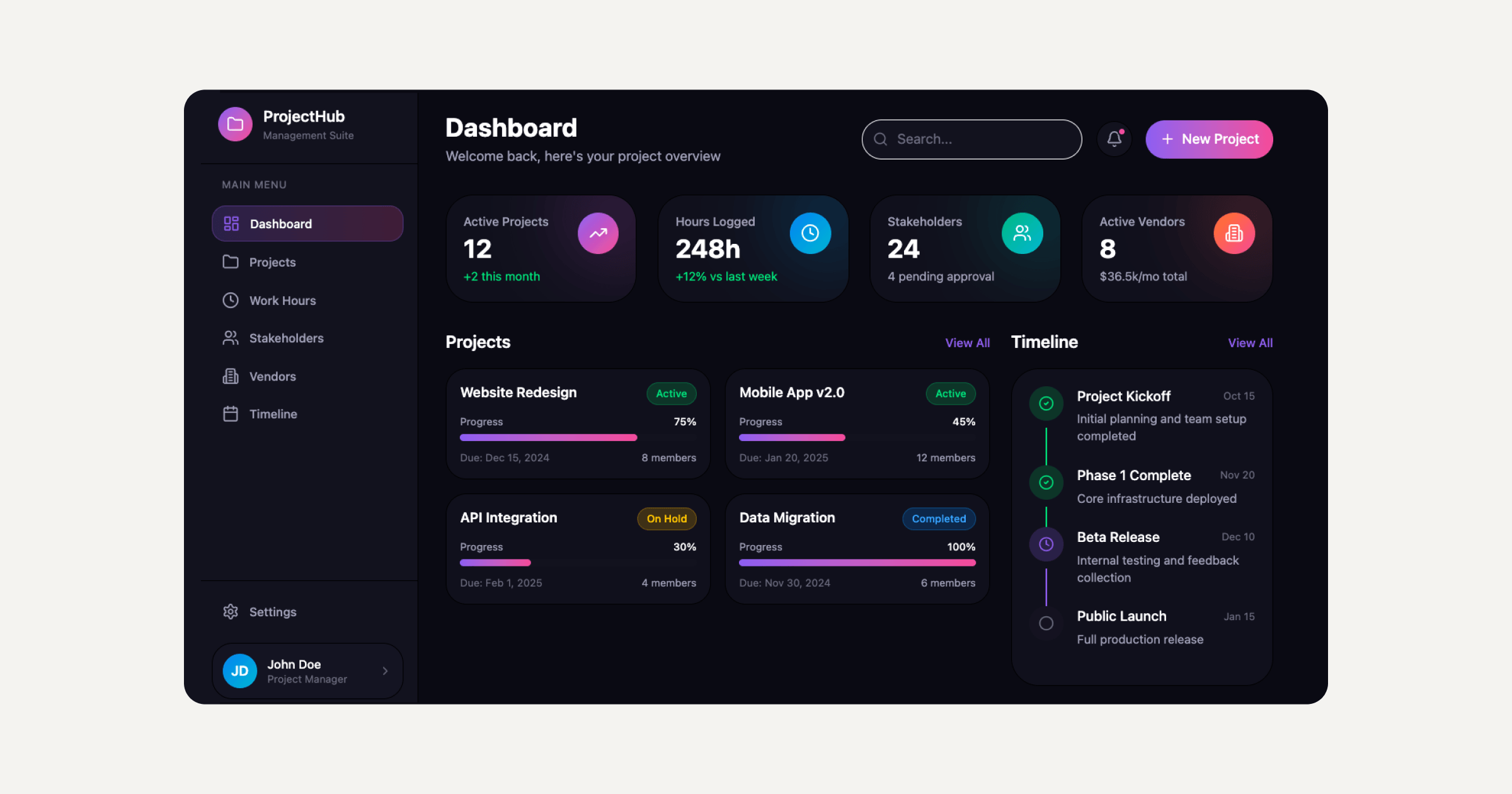
RapidNative is an AI platform that converts prompts, sketches, documents, or screenshots into React Native application code, aimed at founders, product managers, designers, developers, freelancers, and agencies. The vendor describes the generated code as production-ready React Native, and you can export it as source code or publish it directly to app stores. RapidNative also lists native device feature integration, including camera, GPS, and biometrics, per the vendor’s own description. The specific backend or data-store integrations behind that generated code aren’t detailed on the pricing page this comparison drew from.
RapidNative uses a credit-based usage system across five tiers, verified directly from its official pricing page. The Free plan is $0 per month for 20 credits. Starter is $20 per month for 50 credits, or $119 per year for 450 credits on annual billing. Pro is $49 per month for 150 credits, or $199 per year for 1,250 credits. Max is $99 per month for 330 credits, or $399 per year for 2,750 credits. Ultra is $199 per month for 725 credits, or $799 per year for 6,050 credits. An Enterprise tier is available at custom billing. Annual billing runs at a reduced effective monthly rate compared with paying monthly, across all the paid tiers.
Softr vs RapidNative at a glance
| Dimension | Softr | RapidNative | Sticklight |
|---|---|---|---|
| What it is | No-code platform for web apps, client portals, and internal tools on data sources | AI platform that generates React Native mobile app code from prompts, sketches, or screenshots | Vibe-coding platform that turns a prompt into production-ready websites, apps, dashboards, CMS, and internal tools |
| Output | Hosted web application; no native iOS or Android compile step | React Native source code, exportable or published to app stores | Production-ready output generated and published from a prompt |
| Backend / data | Airtable, Google Sheets, Notion, or Softr’s built-in database | Generates React Native code; specific backend/data integrations not detailed | Full-stack output, including CMS and internal tools, as part of the build |
| Publish / hosting | Publishes the hosted web app directly through Softr | Exports code or publishes directly to app stores | Publish is included as part of the prompt to build to publish flow |
| Best for | Teams that need a portal or internal tool over an existing dataset | Teams that need mobile app code generated from a prompt or design | Professional creators who want full-stack, production-ready output from one prompt, additive to an existing WordPress or Elementor site |
| Entry pricing | Not verified, check their site for current pricing | Free plan at $0 per month for 20 credits | Additive to your WordPress/Elementor stack |
How the two pricing models differ
Softr and RapidNative publish pricing information very differently. Softr’s canonical pricing page loads its plan prices with client-side JavaScript, which meant no dollar figures could be confirmed directly from the official source for this comparison, so check their site for current pricing before you budget. RapidNative, by contrast, publishes a straightforward credit-based structure directly on its pricing page, with monthly and discounted annual options across five paid tiers, a free entry tier, and a custom-quoted Enterprise tier for larger needs.
Where Sticklight fits as a third option
Neither Softr nor RapidNative is built by the Elementor team. Sticklight is. It’s the vibe-coding platform for professional web creators, and it turns a prompt into production-ready websites, apps, dashboards, CMS, and internal tools, following a Prompt to Build to Publish flow that generates real output and publishes it as part of the same process. Sticklight is additive to WordPress and Elementor, meaning it works alongside your existing site rather than replacing it.
If you’re weighing Softr against RapidNative because your project spans more than one kind of output, a web portal here, a mobile-facing prompt there, Sticklight is worth evaluating as a single option that produces full-stack, production-ready results from one prompt and publishes them, without switching between a web app builder and a separate code generator. AI agents are on Sticklight’s roadmap, coming soon.
The tool changes every few months. The habit of testing your own assumptions before you trust the output doesn’t, and that habit is worth more than any feature list.
Itamar Haim
Frequently asked questions
Is Softr vs RapidNative a fair comparison?
Not exactly like-for-like. Softr builds hosted web applications, portals, and internal tools on top of a data source, while RapidNative generates React Native mobile app code from a prompt. The comparison is useful if you’re deciding between those two different kinds of output, less so if you’re already committed to one format.
Does Softr produce native mobile apps?
No. Softr outputs a hosted web application and doesn’t compile to native iOS or Android binaries.
How much does RapidNative cost?
RapidNative’s verified pricing starts with a Free plan at $0 per month for 20 credits, then Starter at $20 per month (50 credits) or $119 per year (450 credits), Pro at $49 per month (150 credits) or $199 per year (1,250 credits), Max at $99 per month (330 credits) or $399 per year (2,750 credits), and Ultra at $199 per month (725 credits) or $799 per year (6,050 credits), with a custom Enterprise tier above that.
What does Softr cost?
This comparison can’t state an exact figure. Softr’s official pricing page renders prices via client-side JavaScript, and that figure couldn’t be confirmed from the official source, so check their site for current pricing.
How does Sticklight relate to Softr and RapidNative?
Sticklight is a separate, third option built by the Elementor team that turns a single prompt into production-ready websites, apps, dashboards, CMS, and internal tools, and publishes them as part of the same flow. It’s additive to your existing WordPress or Elementor site rather than a replacement for it.
Built by the Elementor team. Powered by Claude.
Let it glow.
