v0 by Vercel vs Adalo: comparing AI code generation and no-code app building

v0 by Vercel and Adalo start from different places. v0 generates full-stack web application code from a prompt, while Adalo is a no-code, drag-and-drop platform built for native mobile and web apps. Both can get an app in front of users, but they take different routes to get there.
Here’s what each tool actually does, what it costs according to each company’s own pricing page, and where Sticklight fits as a third option for professional creators.
- v0 by Vercel generates full-stack web app code from prompts, with a visual Design Mode and GitHub sync for developer workflows.
- Adalo is a no-code, drag-and-drop builder focused on native mobile apps, publishing directly to the Apple App Store and Google Play Store, plus web apps.
- v0’s Free plan is $0 per month with $5 in monthly credits and a 7 messages/day limit; paid plans start at $30 per user per month.
- Adalo’s Free plan is $0 per month; paid plans start at $36 per month on annual billing, rising to $160 per month for the Team plan.
- Adalo’s built-in database caps out at 500 records on the Free plan; v0 doesn’t specify a default backend or database on its pricing page.
- Sticklight, built by the Elementor team and powered by Claude, generates production-ready websites, apps, dashboards, CMS, and internal tools from a single prompt, and is additive to an existing WordPress or Elementor stack.
What v0 by Vercel is.
v0 by Vercel is Vercel’s AI tool for generating full-stack web application code and UI. It includes a Visual Design Mode for editing generated interfaces and syncs with GitHub for version control and collaboration. Model access is metered per token across four model tiers, ranging from v0 Mini to v0 Max Fast, priced from $1 to $50 per 1 million tokens depending on the tier. Enterprise customers get SAML SSO, role-based access control, and a guarantee that data isn’t used for training. v0’s pricing page notes it generates code deployable via Vercel, but it doesn’t state a fixed default backend or database, so that piece is left for you to configure.
What Adalo is.
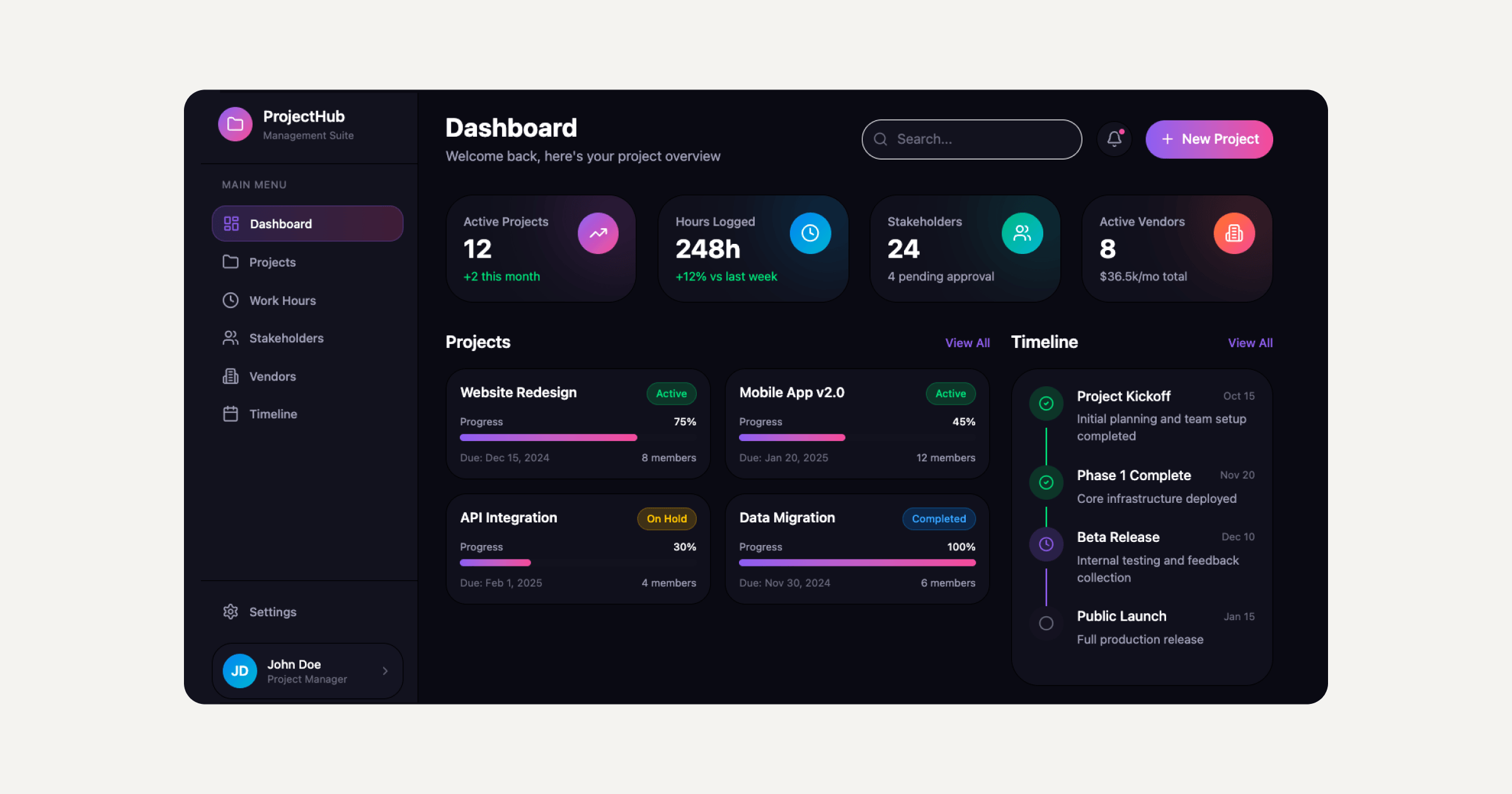
Adalo is a no-code platform for building native mobile and web applications, including publishing directly to the Apple App Store and Google Play Store. The core workflow is a drag-and-drop visual editor for assembling app screens and components, backed by a built-in database for storing app data. The Free plan caps that database at 500 records. The Starter plan is the entry point for publishing to app stores, Professional adds capacity aimed at small and medium businesses, and Team supports multiple editors and multiple apps, aimed at agencies and freelancers. Adalo’s pricing page describes a flat, plan-based structure with no usage-based charges per action or record, and a separate custom-priced “Adalo Blue” tier exists for enterprise needs.
v0 by Vercel vs Adalo at a glance
| Dimension | v0 by Vercel | Adalo | Sticklight |
|---|---|---|---|
| What it is | AI tool for generating full-stack web app code and UI | No-code platform for native mobile and web apps | Vibe-coding platform for professional web creators |
| Output | Full-stack code, editable in a visual Design Mode | App screens and components via drag-and-drop, published as native apps plus web | Production-ready websites, apps, dashboards, CMS, and internal tools from a prompt |
| Backend / data | Deployable via Vercel; no fixed default backend or database stated | Built-in database; 500-record limit on the Free plan | Prompt-driven build and publish flow |
| Publish / hosting | GitHub sync and Vercel deployment | Apple App Store and Google Play Store, plus web | Publish included, additive to WordPress and Elementor |
| Best for | Developers generating and shipping code within GitHub/Vercel workflows | Teams wanting native app-store distribution without writing code | Professional creators wanting production-ready, full-stack output from one prompt |
| Entry pricing | Free ($0/month, $5 monthly credits, 7 messages/day); Plus $30/user/month | Free ($0/month); Starter $36/month billed annually | Additive to your WordPress/Elementor stack |
Pricing, in the companies’ own numbers.
v0’s Free plan is $0 per month, including $5 in monthly credits and a limit of 7 messages per day. The Plus plan runs $30 per user per month, with $30 in monthly credits plus $2 in daily login credits. Business is $100 per user per month and adds training opt-out by default along with priority support. Enterprise is custom-priced through sales. On top of the plan fee, model usage is billed per token across the four model tiers.
Adalo’s Free plan is also $0 per month. Starter is $36 per month on annual billing, Professional is $52 per month on annual billing, and Team is $160 per month on annual billing. Adalo’s pricing page indicates monthly billing runs roughly 20% higher, though it doesn’t itemize the exact monthly dollar figures. Sticklight pricing isn’t covered here; check Sticklight’s site directly for current plans.
Where Sticklight fits in.
v0 and Adalo solve different jobs: one hands code to a developer, the other hands a visual builder to someone who wants to skip code entirely and reach app stores. Sticklight, built by the Elementor team and powered by Claude, takes a third route. Its flow is prompt, build, publish: a prompt turns into a production-ready website, app, dashboard, CMS, or internal tool, and publishing is part of that same flow rather than a separate step. Sticklight is additive to WordPress and Elementor, so it works alongside that ecosystem instead of replacing it. If you want full-stack, production-ready output without assembling a separate backend or wiring up a database by hand, that combination, prompt-to-production plus a publish step included, is the practical advantage Sticklight brings to this comparison. AI agents are coming soon on Sticklight’s roadmap, not a shipped feature today.
Which one fits your project.
If you’re after native mobile apps distributed through the Apple App Store and Google Play Store, built visually without code, Adalo’s drag-and-drop editor and built-in database are purpose-built for that. If you need full-stack web application code your development team can extend inside GitHub and deploy on Vercel, v0’s code generation and Design Mode fit that workflow. If you want to go from a prompt straight to a production-ready, published website, app, dashboard, CMS, or internal tool, especially if you’re already working in or alongside WordPress and Elementor, Sticklight is built for that path.
Half the value of building fast is that you get to be wrong quickly and cheaply, then fix it before anyone’s invested too much in the wrong path.
Itamar Haim
Frequently asked questions
What is the main difference between v0 by Vercel and Adalo?
v0 generates full-stack web application code from prompts, built for developers working in GitHub and Vercel. Adalo is a no-code, drag-and-drop builder focused on native mobile apps published to app stores, plus web apps.
Does v0 by Vercel have a free plan?
Yes. v0’s Free plan is $0 per month, including $5 in monthly credits and a limit of 7 messages per day, according to v0’s pricing page.
Does Adalo have a free plan?
Yes. Adalo’s Free plan is $0 per month, according to Adalo’s pricing page, with its built-in database capped at 500 records on that tier.
Can Adalo publish apps to the Apple App Store and Google Play Store?
Yes, publishing native apps to both app stores is core to Adalo’s platform, alongside publishing web apps.
Where does Sticklight fit next to v0 and Adalo?
Sticklight is a vibe-coding platform, built by the Elementor team and powered by Claude, that turns a prompt into a production-ready website, app, dashboard, CMS, or internal tool and publishes it, additive to an existing WordPress or Elementor setup.
Built by the Elementor team. Powered by Claude.
Let it glow.