v0 by Vercel vs Zite: comparing two AI app builders

v0 by Vercel and Zite are two different kinds of AI builders. One generates full-stack application code and UI for developers working in the Vercel ecosystem. The other generates internal business applications with a built-in database and workflow engine. They solve different problems, so the right pick depends on what you’re trying to ship.
Here’s what each tool actually is, what it costs, and where a production-focused platform like Sticklight fits alongside them.
- v0 by Vercel generates full-stack application code and UI from prompts, with GitHub sync and deployment through Vercel.
- Zite is a no-code/AI platform for internal business apps, with a built-in database, authentication, and workflow automation.
- v0’s Free plan is $0 per month with $5 in monthly credits and a 7 messages/day limit; paid tiers start at $30 per user per month.
- Zite’s Free plan is $0 per month with 5,000 database records and 1,000 monthly workflow runs; paid tiers start at $15 per month billed annually.
- Sticklight is a separate category: a vibe-coding platform, built by the Elementor team and powered by Claude, that turns a prompt into a production-ready website, app, dashboard, CMS, or internal tool and publishes it.
- Choosing between them comes down to whether you need generated code for a developer workflow, a database-backed internal tool, or a full-stack site or app that’s ready to publish.
What v0 by Vercel does
v0 by Vercel is an AI tool from Vercel that generates full-stack web application code and UI from natural-language prompts. It includes a Visual Design Mode for editing generated UI, GitHub sync for pulling code into a repository, and deployment integration with Vercel. Model access is billed per token across four model tiers, ranging from roughly $1 to $50 per 1 million tokens depending on the model you select. The platform doesn’t state a specific default backend or database on its pricing page; it’s oriented toward producing code that you then deploy and extend yourself.
Its Enterprise tier adds SAML SSO, role-based access control, and a guarantee that customer data isn’t used for model training. That positions v0 for teams that want AI-assisted code generation inside an existing engineering workflow, rather than a standalone hosted application.
What Zite does
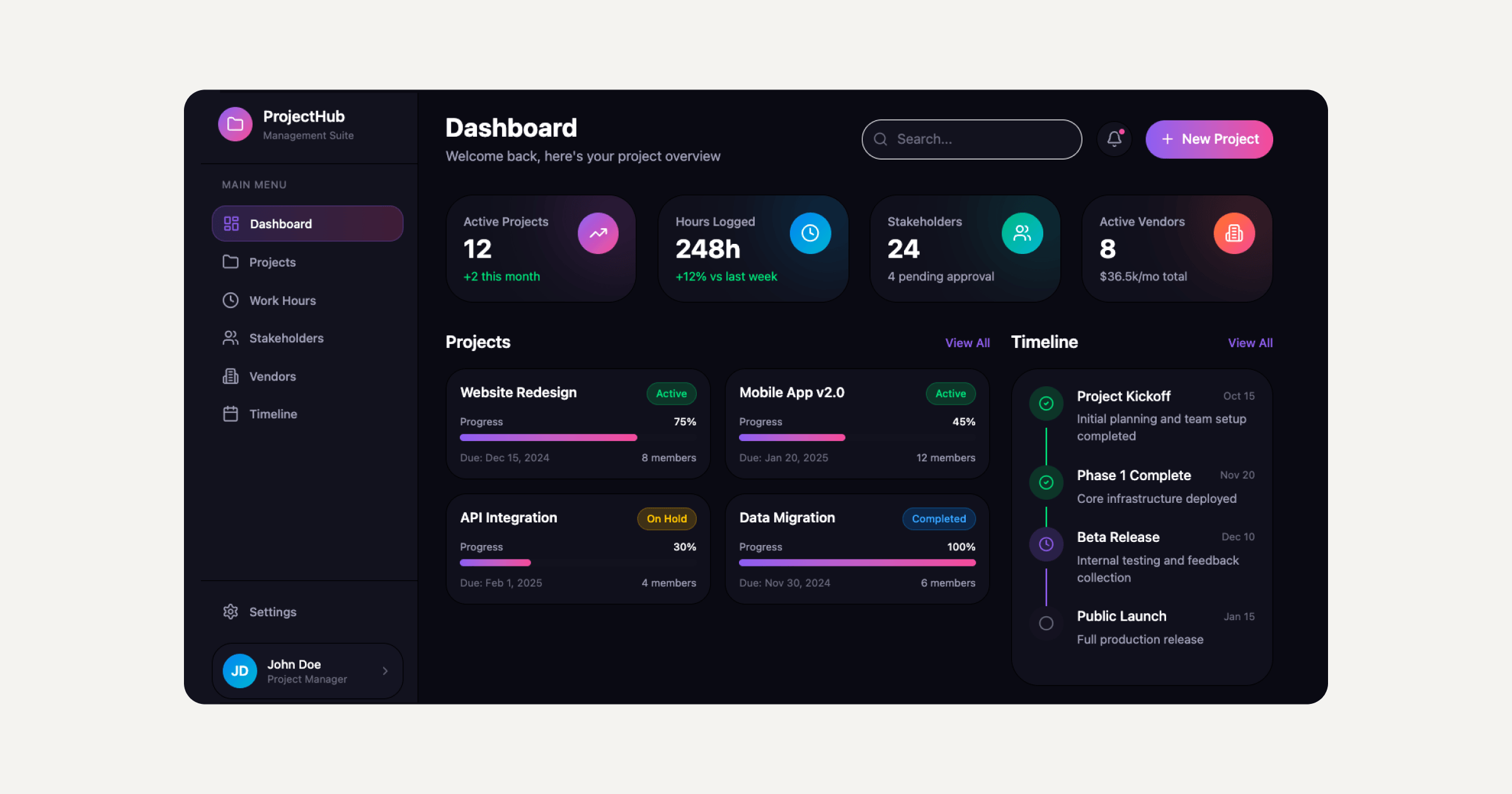
Zite is a no-code and AI platform for building internal business applications such as dashboards, CRMs, and client portals. It ships with a built-in database, built-in authentication and permissions, and workflow automation, all with usage limits that scale by plan. Every plan, including the free one, allows unlimited users. Custom domain support is available on the Pro and Business tiers, and the platform includes webhook and API integrations plus version history tracking for changes.
Zite’s canonical domain is zite.com. A separate zite.ai domain belongs to an unrelated healthcare analytics product and isn’t connected to this app-builder.
v0 by Vercel vs Zite at a glance
| Dimension | v0 by Vercel | Zite | Sticklight |
|---|---|---|---|
| What it is | AI code and UI generator for full-stack web apps | No-code/AI platform for internal business apps | Vibe-coding platform for full-stack websites, apps, dashboards, CMS, and tools |
| Output | Generated application code and UI, editable in Visual Design Mode | Working app with visible, editable logic and workflows | Production-ready site, app, dashboard, CMS, or tool from a prompt |
| Backend / data | Not specified on pricing page; code is deployed via Vercel | Built-in database with record limits by tier, built-in auth | Generates production-ready backend as part of the build |
| Publish / hosting | Deployment via Vercel and GitHub sync | Hosted on Zite with custom domains on Pro/Business | Publish included as part of the Prompt to Build to Publish flow |
| Best for | Developers who want AI-generated code inside an existing engineering workflow | Teams building internal dashboards, CRMs, or client portals with a database | Professional creators who want a full-stack, production-ready result from one prompt |
| Entry pricing | Free ($0/month, $5 monthly credits, 7 messages/day); Plus $30/user/month | Free ($0/month, 5,000 records); Pro $15/month billed annually | Additive to your WordPress/Elementor stack |
Where the two tools overlap and where they diverge
Both v0 and Zite use AI to turn a prompt into working software, and both offer a free tier to start on. Beyond that, they diverge quickly. v0 is built for developers: its output is code, its integrations are GitHub and Vercel, and its pricing is metered by token usage across model tiers. Zite is built for business teams building internal tools: its output is a hosted application with a database, authentication, and workflow automation baked in, and its pricing scales by data volume and workflow runs rather than model tokens.
Neither tool substitutes directly for the other. If you’re choosing between them, you’re usually choosing between “I want AI-generated code to build on” and “I want a working internal app with a database, without writing code.”
Efficient and correct are not the same word to me, and mixing them up is how good projects quietly go bad.
Itamar Haim
Where Sticklight fits
Sticklight is a different kind of platform from both. It’s a vibe-coding platform for professional web creators, built by the Elementor team and powered by Claude. Its flow is prompt, build, publish: a prompt produces a production-ready website, app, dashboard, CMS, or internal tool, and publishing is part of the same flow rather than a separate step you hand off to a deployment service.
If you want full-stack output without stitching together a code generator and a separate hosting or database layer, that consolidated flow is the practical difference. Sticklight is additive to WordPress and Elementor, so it fits alongside your existing site rather than replacing it. AI agents are on the roadmap but aren’t a shipped feature today, so base any comparison on what’s available now: prompt-to-production output with publishing included, aimed at professional creators rather than developers writing and deploying code by hand, or business teams assembling an internal app piece by piece.
Frequently asked questions
What’s the core difference between v0 by Vercel and Zite?
v0 by Vercel generates application code and UI for you to deploy via Vercel, while Zite generates a hosted internal business application with a built-in database, authentication, and workflow automation. One hands you code, the other hands you a ready-to-use app.
Which one is cheaper to start with?
Both offer a $0 per month free tier. v0’s free tier includes $5 in monthly credits with a 7 messages/day limit. Zite’s free tier includes 5,000 database records and 1,000 monthly workflow runs. Paid plans start at $30 per user per month for v0 and $15 per month billed annually for Zite.
Does v0 by Vercel include a database?
No, not by default. v0’s pricing page doesn’t state a specific default backend or database; it focuses on generating code and UI that you deploy via Vercel. Zite, by comparison, includes a built-in database as a core feature.
Is Sticklight a replacement for v0 or Zite?
It depends on what you need. Sticklight is a different category of tool: a vibe-coding platform that turns a prompt into a production-ready website, app, dashboard, CMS, or internal tool and publishes it, built by the Elementor team and additive to an existing WordPress or Elementor setup. Whether it replaces either tool comes down to whether you need generated code for a developer workflow, a database-backed internal app, or a full-stack, published result from a single prompt.
Do either of these tools support unlimited users?
Zite does, on every plan, including the free tier. v0’s user limits aren’t stated in its published pricing beyond the per-seat structure of its Plus, Business, and Enterprise tiers.
Built by the Elementor team. Powered by Claude.
Let it glow.