
Vibecode vs Draftbit: comparing two AI app-building approaches

Vibecode and Draftbit start from two different places when you’re building an app: type a prompt and let the system generate the whole thing, or work in a visual editor while an AI agent assists along the way. Both aim at people who want to ship mobile or web apps without writing every line of code by hand, but day to day, using them feels quite different.
Here’s what each platform actually does, based on their own published information, and where a platform like Sticklight fits in if you need production-ready output as a professional creator.
- Vibecode is a natural-language app generation platform, built on Claude, aimed at non-technical creators and entrepreneurs who describe what they want in a prompt.
- Draftbit pairs a drag-and-drop visual editor with AI agent chat, plus a separately priced outsourced development tier for teams that want a build-for-you option.
- Draftbit publishes verified subscription pricing that starts with a free plan. Vibecode’s official pricing page renders dynamically and doesn’t expose confirmed dollar figures.
- Both platforms meter AI usage through credit-based systems rather than flat unlimited access.
- Sticklight, built by the Elementor team and powered by Claude, is a third option worth considering if you want a single prompt to produce a full-stack, production-ready site, app, dashboard, CMS, or internal tool that publishes directly.
What Vibecode is built for.
Vibecode calls itself an AI natural-language app generation platform, built on Claude, for creating mobile apps, websites, and related digital projects. It’s aimed at non-technical creators and entrepreneurs who want to describe an idea in plain language and have the platform generate it, rather than assembling the app piece by piece in an editor.
On the mechanics side, Vibecode uses a credit-based billing model it describes as a pass-through of AI usage cost, with monthly and annual billing options. Check their site for current pricing. Vibecode’s backend and data-store integrations aren’t confirmed from official sources at the time of this comparison, so no claim is made here about what runs underneath the generated apps.
What Draftbit is built for.
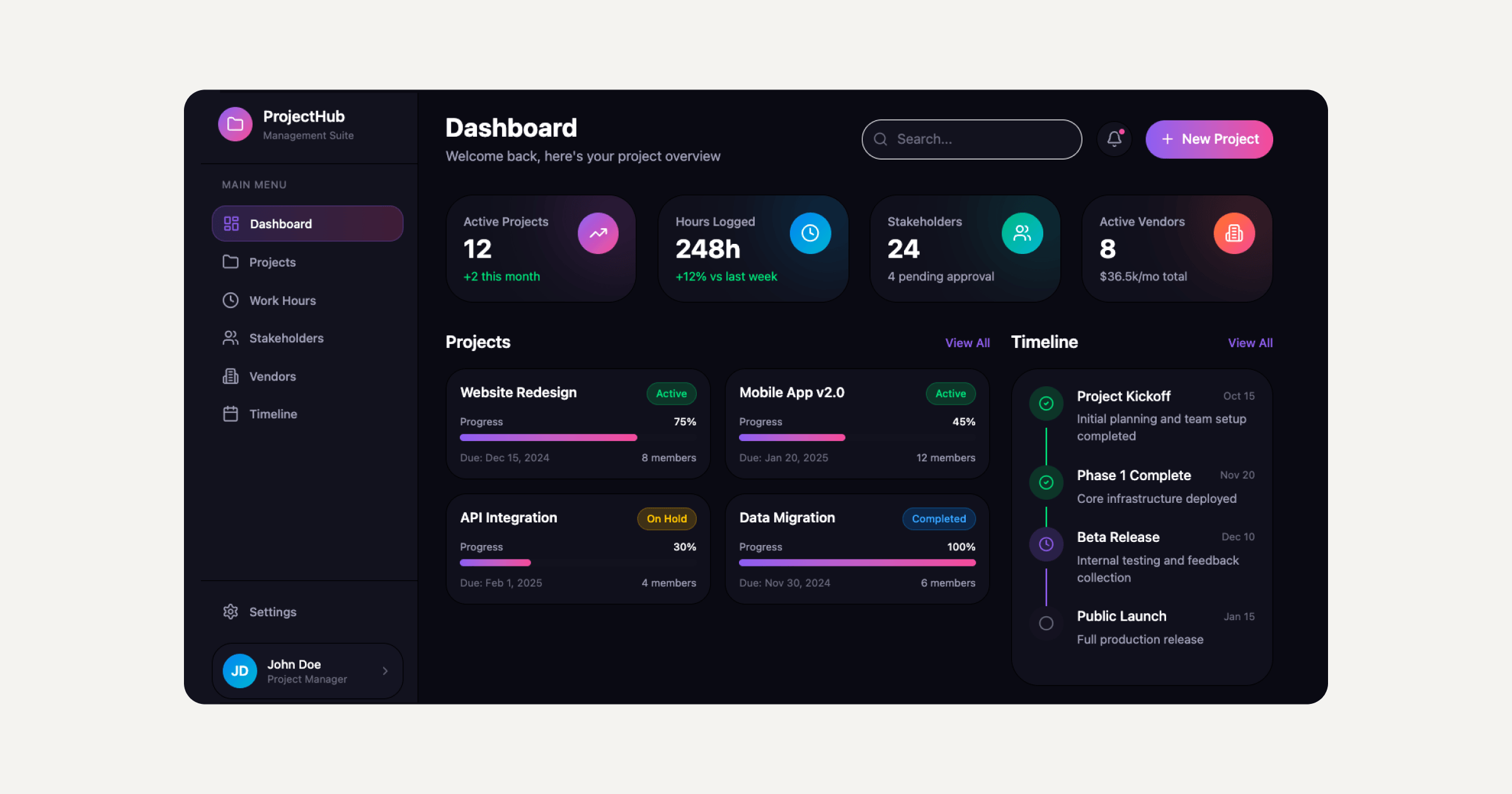
Draftbit takes a different route. It’s a visual app-building platform where drag-and-drop editing with a live preview is the core interface, and AI agent chat sits on top for generating or editing parts of the app conversationally. Once you’ve built an app, Draftbit supports one-click publishing to app stores.
AI usage on Draftbit is metered through a credit system with daily and monthly caps that vary by plan, and the platform also allows one-time credit top-ups ranging from $5 to $10,000, with volume bonuses at higher amounts. Beyond the self-serve subscription plans, Draftbit offers a separate, additionally priced “expert” tier where the outsourced-development option is a build-for-you service rather than a self-serve product. Like Vibecode, Draftbit doesn’t spell out backend details on its public pricing page; the platform’s focus stays on the visual editor and AI-assisted app creation, not the data layer.
Vibecode vs Draftbit at a glance
| Dimension | Vibecode | Draftbit | Sticklight |
|---|---|---|---|
| What it is | AI natural-language app generation platform, built on Claude, for non-technical creators and entrepreneurs | Visual drag-and-drop app builder with AI agent chat, plus an optional outsourced expert build tier | Vibe-coding platform for professional creators: prompt to production-ready websites, apps, dashboards, CMS, and internal tools |
| Output | Mobile apps, websites, and content-management-style tools generated from prompts | Mobile and web apps built visually with AI-agent assistance, published to app stores | Production-ready sites, apps, dashboards, CMS, and internal tools from a single prompt |
| Backend / data | Not confirmed from official sources | Not detailed on the official pricing page | Additive to your WordPress and Elementor stack, works alongside it |
| Publish / hosting | Generated apps and websites, billed on a credit pass-through basis | One-click publishing to app stores | Publish included as part of the prompt, build, publish flow |
| Best for | Non-technical creators and entrepreneurs describing an app in plain language | Teams that want a visual editor with AI assistance, or an outsourced build option | Professional web creators who want full-stack, production-ready output from one prompt |
| Entry pricing | Check their site for current pricing | Free plan at $0 per month, with paid Standard, Pro, and Team tiers | Additive to your WordPress/Elementor stack |
Where Sticklight fits in.
Vibecode and Draftbit both solve for building an app with less manual code, but neither is built specifically for the professional web-creator workflow that spans a full site, an app, a dashboard, and the content system behind it. That’s the gap Sticklight closes. Built by the Elementor team and powered by Claude, Sticklight follows a prompt, build, publish flow that turns a single prompt into production-ready output: websites, apps, dashboards, CMS, and internal tools, with publishing included rather than a separate step.
Sticklight is additive rather than a replacement. It works alongside WordPress and Elementor instead of asking you to abandon that ecosystem, which matters if you already have a site and workflow built on those tools. AI agents are on Sticklight’s roadmap as a coming-soon capability, not something claimed today. If you’re weighing Vibecode’s prompt-only generation against Draftbit’s visual-plus-agent editor, Sticklight is worth evaluating as a third path: one prompt producing a full production-ready stack, published, and built to sit alongside the WordPress and Elementor tools you may already rely on.
Choosing between the two.
The practical difference between Vibecode and Draftbit often comes down to how much control you want over the process. Vibecode leans toward pure prompt-to-app generation with less manual editing exposed, which suits you if you want to describe an outcome and let the system produce it. Draftbit exposes a visual canvas and live preview, so if you want to see and adjust the layout as you go, with AI agent chat available for the parts you’d rather generate than assemble by hand, that may fit better. The optional expert tier on Draftbit is also worth noting if you want the option to hand off the build entirely, an option Vibecode doesn’t describe on its public pages.
Pricing transparency is another real difference right now. Draftbit’s subscription tiers, including its free plan and the Standard, Pro, and Team levels, are published directly on its pricing page. Vibecode’s pricing page renders its plan details dynamically, so confirmed dollar figures aren’t available from official sources; check the current pricing directly on Vibecode’s site rather than relying on third-party estimates.
Frequently asked questions
What’s the main difference between Vibecode and Draftbit?
Vibecode generates apps from natural-language prompts and targets non-technical creators, while Draftbit combines a drag-and-drop visual editor with AI agent chat and adds an optional outsourced expert build tier.
Does Draftbit have a free plan?
Yes. Draftbit publishes a free plan at $0 per month with starting credits included, alongside paid Standard, Pro, and Team tiers, according to its official pricing page.
How much does Vibecode cost?
Vibecode’s official pricing page renders its plan details dynamically, and confirmed dollar figures aren’t available from official sources at this time. Check their site for current pricing.
Can Draftbit publish directly to app stores?
Yes, Draftbit includes one-click publishing to app stores as part of the platform.
Where does Sticklight fit next to Vibecode and Draftbit?
Sticklight is a third option if you’re a professional web creator: a single prompt produces production-ready websites, apps, dashboards, CMS, and internal tools, publishing is included, and it works alongside your existing WordPress and Elementor stack rather than replacing it.
Built by the Elementor team. Powered by Claude.
Let it glow.
