
Vibecode vs Mendix: a factual comparison for builders

Comparing Vibecode and Mendix means comparing two tools built for very different scales of work. Vibecode is an AI natural-language app generation platform aimed at non-technical creators and entrepreneurs. Mendix is a low-code application development platform from Siemens, built for department-level business applications and larger core systems.
The two rarely compete for the same buyer, but if you’re researching AI-assisted or low-code app building, you’ll likely run into both names. Here’s what each one actually is, what it costs where that’s publicly verifiable, and where a third option, Sticklight, fits if you’re a professional web creator.
- Vibecode turns natural-language prompts into mobile apps, websites, and content-management-style tools, powered by Claude AI, and bills usage through credits described as pass-through AI cost.
- Mendix is an enterprise low-code platform for building department-level and larger core business applications, with published pricing starting from a free tier.
- Mendix publishes exact plan pricing on its official pricing page; Vibecode’s plan pricing isn’t verifiable from official sources at the time of writing.
- Vibecode and Mendix target different buyers: individual creators and entrepreneurs versus enterprise IT and business teams.
- Sticklight is a separate option built by the Elementor team, powered by Claude, focused on turning a prompt into a production-ready site, app, dashboard, CMS, or internal tool for professional web creators, and it’s additive to an existing WordPress or Elementor stack.
What Vibecode is
Vibecode is an AI natural-language app generation platform built on Claude, aimed at non-technical creators and entrepreneurs who want to describe an app in plain language and have it generated. By its own positioning, it builds mobile apps, websites, and content-management-style tools from prompts.
Vibecode’s billing is credit-based, described by the vendor as pass-through AI cost, where credits map roughly one to one with AI usage. It offers both monthly and annual billing. Exact plan names and dollar amounts aren’t verifiable from official sources at the time of writing, since the vendor’s pricing page renders its plan cards dynamically and doesn’t expose fixed figures to static review. Its backend infrastructure is likewise not confirmed from official sources. If you need current, exact pricing, check Vibecode’s site directly.
What Mendix is
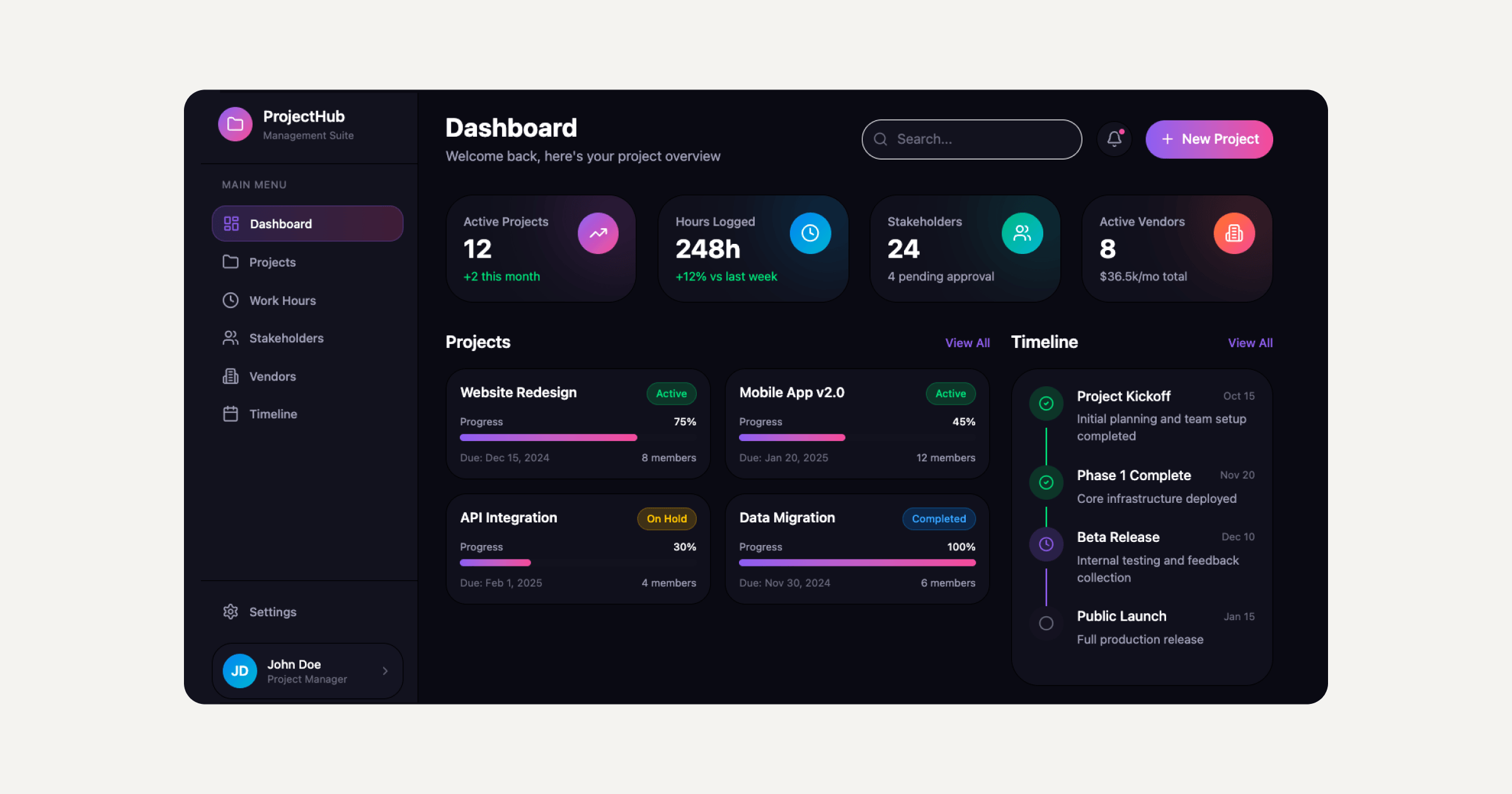
Mendix is a low-code application development platform offered by Siemens, positioned for department-level business applications and larger core systems rather than single consumer-facing apps. Its official pricing page lists a Free plan at €0 per month with no credit card required, a Standard “One App” plan starting at €918 per month, a Standard “Unlimited Apps” plan starting at €2,295 per month, and a Premium tier that’s quote-based.
Mendix’s own pricing page states there’s no technical or platform-capability difference between the One App and Unlimited App Standard tiers; the difference is the number of applications covered. The Premium tier adds enterprise features the vendor describes as scaling, high-availability, and fallback options. Mendix’s cloud deployment plans are priced in euros, and the platform gives you a visual, low-code development environment for building web and mobile applications.
Vibecode vs Mendix at a glance
| Dimension | Vibecode | Mendix | Sticklight |
|---|---|---|---|
| What it is | AI natural-language app generator for non-technical creators and entrepreneurs | Low-code platform for department-level and larger enterprise applications, offered by Siemens | Vibe-coding platform for professional web creators, built by the Elementor team |
| Output | Mobile apps, websites, and content-management-style tools from prompts | Web and mobile business applications built through a visual low-code editor | Production-ready websites, apps, dashboards, CMS, and internal tools from a prompt |
| Backend / data | Not confirmed from official sources | Cloud deployment plans, priced in euros, on Siemens-owned infrastructure | Additive to an existing WordPress and Elementor stack |
| Publish / hosting | Not detailed in official sourcing reviewed for this article | Cloud deployment included in paid plans | Publish included as part of the Prompt to Build to Publish flow |
| Best for | Individual, non-technical creators and entrepreneurs prototyping apps | Enterprise IT and business teams building department-level or core systems | Professional web creators wanting full-stack output alongside WordPress or Elementor |
| Entry pricing | Check their site for current pricing | Free at €0 per month; Standard One App starting at €918 per month | Additive to your WordPress/Elementor stack |
Where the two overlap, and where they don’t
Vibecode and Mendix both fall under the broad “build an app without writing everything from scratch” umbrella, but the overlap mostly stops there. Vibecode’s prompt-driven workflow and credit-based billing are built around fast, individual creation. Mendix’s tiered euro pricing, department-level positioning, and Siemens ownership point toward procurement processes, IT governance, and applications meant to run as part of a larger enterprise system.
A useful way to separate them: Vibecode answers “can you describe an app and get something usable quickly,” while Mendix answers “can your organization standardize how multiple teams build and maintain business applications over time.” Neither question is wrong to ask. They just belong to different buyers.
Where Sticklight fits in
If you’re a professional web creator or agency, both Vibecode and Mendix leave a gap. Vibecode is built for non-technical individual creators rather than professionals delivering client or production work, and Mendix is built for enterprise application teams rather than web-first creators. Sticklight, built by the Elementor team and powered by Claude, is positioned specifically for professional web creators who want to go beyond websites and become full-stack creators.
Sticklight’s flow is Prompt, Build, Publish: it generates real, production-ready output, including sites, apps, dashboards, CMS setups, and internal tools, and publishing is included in that flow. It’s additive to WordPress and Elementor rather than a replacement for either, so if you’re already working in that ecosystem, you can extend it instead of starting over. AI agents are on Sticklight’s roadmap as a coming feature, not something shipped today. Sticklight pricing isn’t covered here. Check the current details on Sticklight’s own site.
What I filter incoming work by has changed from is this a website to is this something worth building.
Itamar Haim
Frequently asked questions
Should I use Vibecode or Mendix if I’m a solo, non-technical creator?
Based on positioning alone, Vibecode is built for non-technical creators and entrepreneurs generating mobile apps and websites from prompts, while Mendix is built for department-level and enterprise application development. If you’re a solo creator, your needs generally line up more closely with Vibecode’s stated audience than with Mendix’s.
Does Mendix have a free plan?
Yes. Mendix’s official pricing page lists a Free plan at €0 per month with no credit card required, alongside paid Standard and Premium tiers.
Is Vibecode’s pricing public?
Not fully. Vibecode’s official pricing page renders its plan details dynamically, and exact dollar figures couldn’t be confirmed from official sources at the time of writing. Check Vibecode’s site directly for current pricing.
How does Sticklight relate to Vibecode and Mendix?
Sticklight is a separate option, not a plan tier of either tool. It’s built by the Elementor team for professional web creators who want production-ready, full-stack output that stays additive to an existing WordPress or Elementor setup.
Who owns Mendix?
Siemens owns Mendix.
Built by the Elementor team. Powered by Claude.
Let it glow.
