Vibecode vs RapidNative: comparing two AI app builders

Vibecode and RapidNative solve different problems, even though both fall under AI-assisted app generation. Vibecode turns a plain-language prompt into a mobile app, website, or CMS-style tool, built for non-technical creators and entrepreneurs. RapidNative turns a prompt, sketch, document, or screenshot into React Native application code, built for founders, product managers, designers, developers, freelancers, and agencies.
One is a general prompt-to-app builder. The other is a code generator scoped specifically to React Native. Which one fits depends on what you need at the end: a finished app and website, or app code you can export and ship yourself.
- Vibecode is a natural-language app generator, built on Claude, that produces mobile apps, websites, and CMS-style tools.
- RapidNative is scoped to React Native: it converts prompts, sketches, documents, or screenshots into app code and can export it or publish to app stores.
- Vibecode’s official pricing page renders plan details dynamically, so exact figures couldn’t be verified for this article. RapidNative publishes a credit-based tier structure from Free through Enterprise.
- RapidNative includes native device feature integration (camera, GPS, biometrics), per its own product description. Vibecode’s available materials don’t detail this.
- Neither tool is a general full-stack web platform the way a vibe-coding tool like Sticklight is: Vibecode focuses on apps, websites, and CMS-style projects, while RapidNative focuses specifically on React Native code.
What Vibecode is built for.
Vibecode is an AI natural-language app generation platform, built on Claude, for mobile apps, websites, and related digital projects. It’s aimed at non-technical creators and entrepreneurs: you describe a project in plain language and get a working result back. Billing runs on credits, and the vendor describes it as pass-through AI cost, framed as “$1 in credits = $1 in AI usage.” Both monthly and annual billing are available, with the annual option described as including two months free. Vibecode’s own backend and data-store details aren’t confirmed from official sources available at the time of this comparison.
What RapidNative is built for.
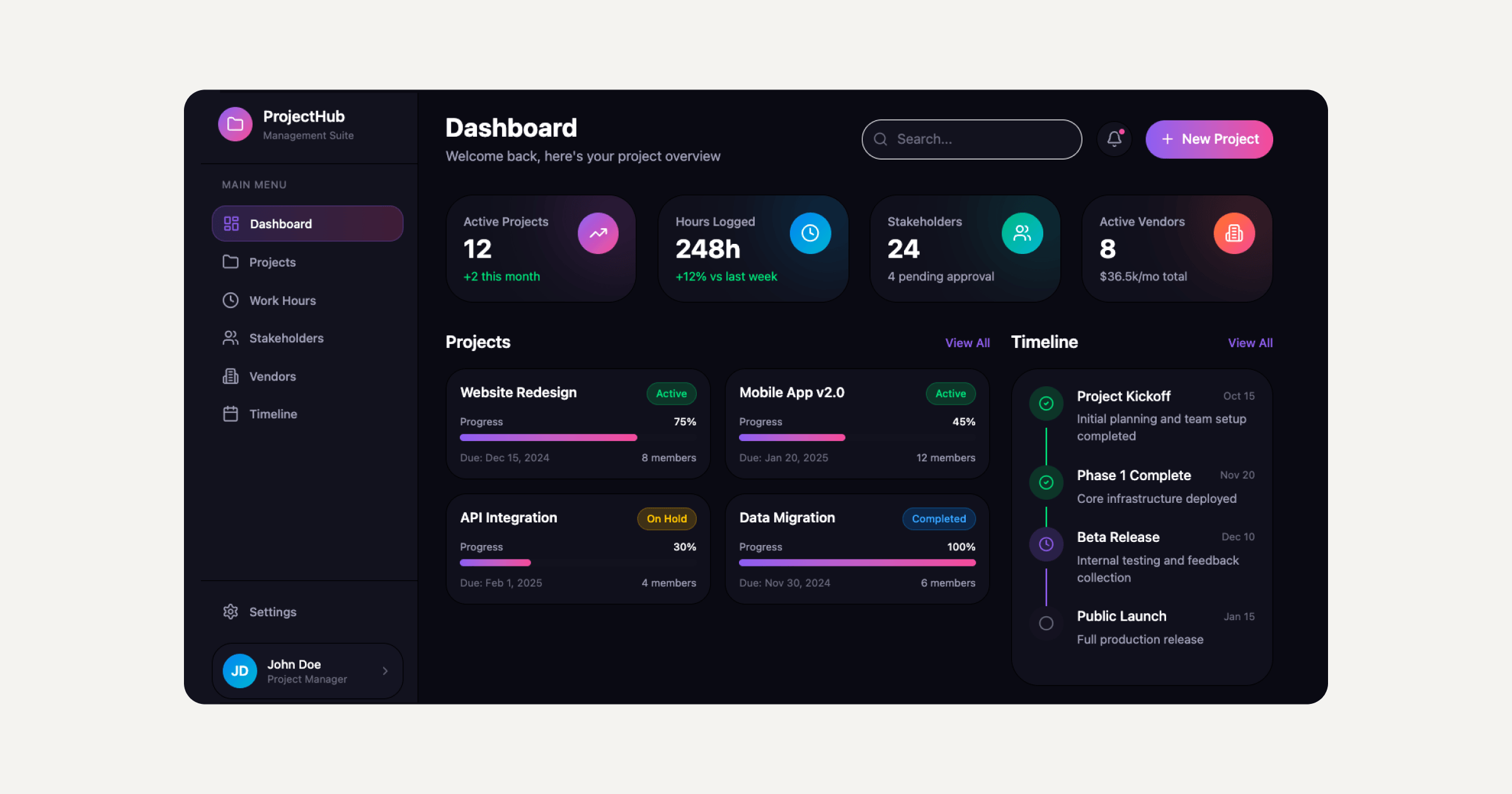
RapidNative converts a prompt, sketch, document, or screenshot into React Native application code. It’s built for founders, product managers, designers, developers, freelancers, and agencies who need working app code rather than a finished, hosted product. The vendor describes the generated code as production-ready, and you can export the source directly or publish it to app stores. It also includes native device feature integration such as camera, GPS, and biometrics, per the vendor’s own description. RapidNative generates React Native application code specifically; deeper backend or data-store integrations beyond code generation aren’t detailed on its pricing page.
Vibecode vs RapidNative at a glance.
| Dimension | Vibecode | RapidNative | Sticklight |
|---|---|---|---|
| What it is | AI natural-language app generator, built on Claude, for mobile apps, websites, and related projects. | AI platform converting prompts, sketches, documents, or screenshots into React Native app code. | Vibe-coding platform for professional web creators: prompt to production-ready website, app, dashboard, CMS, or internal tool. |
| Output | Mobile apps, websites, and content-management-style tools from prompts. | React Native application code, described by the vendor as production-ready. | Production-ready full-stack output (sites, apps, dashboards, CMS, internal tools) from a single prompt. |
| Backend / data | Not confirmed from official sources; not verifiable at time of research. | Generates React Native app code; specific backend or data-store integrations are not itemized on the pricing page. | Full-stack generation powered by Claude; additive alongside an existing WordPress or Elementor stack. |
| Publish / hosting | Builds and generates mobile apps, websites, and CMS-style tools from prompts. | Exports source code or publishes directly to app stores. | Publish included as part of the prompt, build, publish flow. |
| Best for | Non-technical creators and entrepreneurs building apps and websites from prompts. | Founders, product managers, designers, developers, freelancers, and agencies needing React Native code. | Professional web creators who want a full-stack build and publish in one flow, alongside WordPress and Elementor. |
| Entry pricing | Check their site for current pricing. | Free plan at $0 per month (20 credits per month); paid tiers start at $20 per month for the Starter plan (50 credits). | Additive to your WordPress/Elementor stack. |
Pricing and billing structure.
Vibecode’s official pricing page renders its plan cards through JavaScript, and the exact dollar figures and plan names couldn’t be verified against the official source for this comparison. If price matters to your decision, check Vibecode’s current pricing page directly rather than relying on secondhand figures.
RapidNative publishes a verified credit-based structure with five paid tiers plus a free plan. The Free plan is $0 per month for 20 credits. Starter is $20 per month (50 credits) or $119 per year (450 credits). Pro is $49 per month (150 credits) or $199 per year (1,250 credits). Max is $99 per month (330 credits) or $399 per year (2,750 credits). Ultra is $199 per month (725 credits) or $799 per year (6,050 credits). An Enterprise tier is available with custom billing. Annual billing runs at a reduced effective monthly rate compared with monthly billing across the paid tiers.
Where a platform like Sticklight fits in.
Vibecode and RapidNative both solve narrower problems than a full-stack creation platform. Vibecode is scoped to mobile apps, websites, and CMS-style tools for non-technical creators. RapidNative is scoped specifically to React Native code for people who need app code they can export or ship to app stores. Neither is built as a general-purpose platform for production-ready websites, apps, dashboards, CMS instances, and internal tools from a single prompt.
Sticklight, built by the Elementor team and powered by Claude, is built for professional web creators who want to go beyond a single website: you prompt, build, and publish production-ready output across sites, apps, dashboards, CMS, and internal tools. It’s additive to your existing WordPress and Elementor workflow rather than a replacement for it, and publishing is part of the flow rather than a separate step. If you’re weighing Vibecode’s app-and-website focus against RapidNative’s React Native code focus, Sticklight is worth a look when your actual need is broader: full-stack, production-ready output from one prompt, published, without leaving your WordPress and Elementor setup behind. AI agents are on Sticklight’s roadmap, coming soon, not a shipped feature today.
Choosing between the two.
The practical choice between Vibecode and RapidNative comes down to the shape of the end product you want. If you’re describing a mobile app, website, or CMS-style tool in plain language, Vibecode’s natural-language approach is the closer fit, though you should confirm its current pricing directly on its site before committing. If you specifically need React Native application code you can export or send to app stores, with native device features like camera, GPS, or biometrics, RapidNative’s scoped, credit-based structure is the more direct match, and its pricing is published and verifiable. Neither tool replaces a broader, production-ready, full-stack build and publish workflow; that’s a separate category a platform like Sticklight addresses.
Frequently asked questions
What’s the main difference between Vibecode and RapidNative?
Vibecode generates mobile apps, websites, and CMS-style tools from natural-language prompts, built for non-technical creators. RapidNative generates React Native application code specifically, from prompts, sketches, documents, or screenshots, for a more technical or product-focused audience.
Is Vibecode’s pricing publicly verified?
No. Vibecode’s official pricing page renders its plan details through JavaScript, and exact dollar figures couldn’t be verified for this comparison. Check Vibecode’s own pricing page for current figures.
Does RapidNative publish its exact pricing?
Yes. RapidNative’s pricing is published on its official pricing page, with a Free tier at $0 per month (20 credits) and paid tiers from Starter through Ultra, plus a custom Enterprise tier, each with monthly and annual billing options.
Can RapidNative publish apps directly to app stores?
Yes. Per RapidNative’s own product description, you can export the generated source code or publish it directly to app stores.
Where does a platform like Sticklight fit next to these two tools?
Sticklight is scoped more broadly than either tool: it generates production-ready websites, apps, dashboards, CMS, and internal tools from a prompt and publishes them, additive to your existing WordPress and Elementor stack, rather than focusing narrowly on one output type like mobile apps or React Native code.
Built by the Elementor team. Powered by Claude.
Let it glow.