Vibecode vs Sticklight: AI app builders compared for creators

Vibecode and Sticklight both turn a plain-language prompt into working software, which makes them a natural pair to compare if you’re weighing AI build tools. Vibecode focuses on turning prompts into mobile apps and websites for non-technical creators and entrepreneurs. Sticklight, built by the Elementor team, turns a prompt into production-ready websites, apps, dashboards, CMS setups, and internal tools for professional web creators, then publishes the result.
You’ll find both platforms in the same AI app-generation category, and both run on Claude, but they aim at different builders and different scopes of output. Here’s what each one actually offers, drawn only from each company’s own published information.
- Vibecode is an AI natural-language app generation platform, built on Claude, for creating mobile apps, websites, and related digital projects.
- Vibecode targets non-technical creators and entrepreneurs, and bills usage on a credit basis described as pass-through AI cost.
- Sticklight, also powered by Claude and built by the Elementor team, generates production-ready websites, apps, dashboards, CMS, and internal tools from a single prompt, then publishes them.
- Sticklight is additive to WordPress and Elementor rather than a replacement, and it’s aimed at professional web creators.
- Vibecode’s official pricing figures aren’t independently verifiable at the time of this research, so check their site for current pricing.
- Sticklight’s AI agent features are listed as coming soon and aren’t a shipped capability today.
What Vibecode is.
Vibecode is an AI natural-language app generation platform built on Claude. It converts prompts into mobile apps, websites, and content-management-style tools, and it’s positioned for non-technical creators and entrepreneurs rather than professional development teams. Billing runs on a credit-based system that Vibecode describes as pass-through AI cost, with monthly and annual billing options. Check their site for current pricing. Vibecode’s backend isn’t confirmed from official sources and couldn’t be verified at the time of this research.
What Sticklight is.
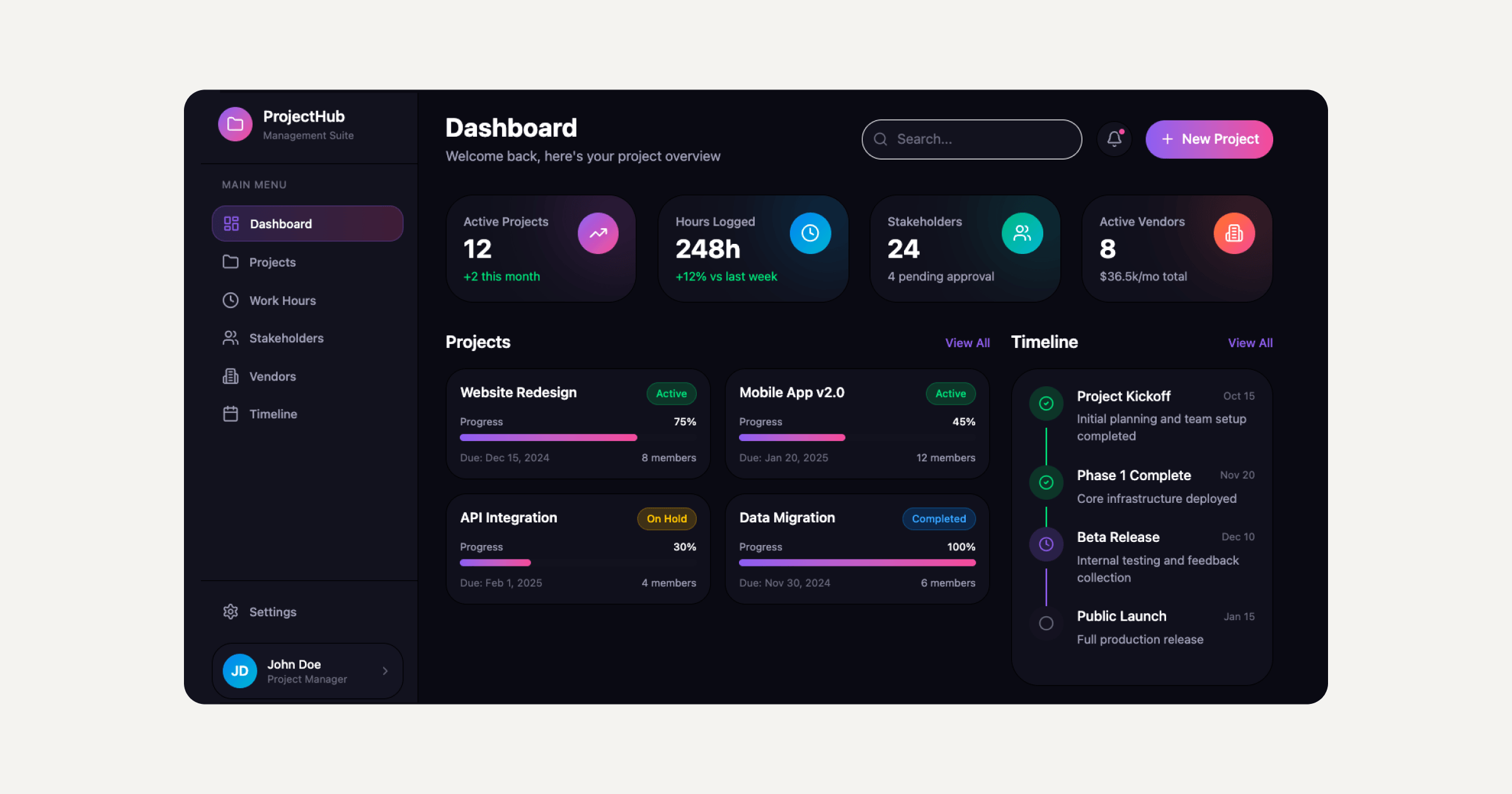
Sticklight is the vibe-coding platform for professional web creators. It follows a prompt, build, publish flow: your prompt becomes production-ready output covering websites, apps, dashboards, CMS setups, and internal tools, and Sticklight publishes that output as part of the same flow. It’s built by the Elementor team and powered by Claude, and it’s designed to work alongside WordPress and Elementor rather than replace them, so your existing WordPress or Elementor setup stays part of the workflow instead of getting swapped out. AI agent capabilities are listed as coming soon rather than available today.
Vibecode vs Sticklight at a glance.
| Dimension | Vibecode | Sticklight |
|---|---|---|
| What it is | AI natural-language app generation platform built on Claude | Vibe-coding platform for professional web creators, built by the Elementor team and powered by Claude |
| Output | Mobile apps, websites, and content-management-style tools | Production-ready websites, apps, dashboards, CMS, and internal tools |
| Backend / data | Not confirmed from official sources | Additive to the WordPress and Elementor ecosystem |
| Publish / hosting | Not confirmed from official sources | Publish included as part of the prompt-to-publish flow |
| Best for | Non-technical creators and entrepreneurs building mobile apps and websites | Professional web creators wanting full-stack, production-ready output from one prompt |
| Entry pricing | check their site for current pricing | Additive to your WordPress/Elementor stack |
How the two platforms diverge.
The practical difference comes down to who’s building and what they need to publish. Vibecode’s credit-based billing and non-technical framing suit a founder or entrepreneur who wants a mobile app or website without writing code, paying for AI usage as they go through monthly or annual plans. Sticklight’s scope is broader by design, covering dashboards, CMS, and internal tools alongside websites and apps, and it plugs into a WordPress or Elementor stack that many professional creators and agencies already run day to day.
If you’re already building on WordPress or Elementor, or you need a wider range of output than a single mobile app, Sticklight is the straightforward pick, since it’s built by the same team and designed to extend that stack rather than sit apart from it. If you want a narrower, mobile-first tool independent of that ecosystem, and you’re comfortable with credit-based AI billing, Vibecode’s focus may fit your project better.
What to check before deciding.
Vibecode’s official pricing page renders its plan details dynamically, so the exact current dollar figures for its plans aren’t confirmed here. If you’re evaluating cost, go directly to Vibecode’s own pricing page rather than relying on third-party summaries. Sticklight doesn’t publish dollar figures in this comparison either, so the same rule applies: confirm details on the source before you commit to either platform for a project.
Frequently asked questions
Is Vibecode vs Sticklight a fair comparison?
Yes. Both are AI tools that turn a prompt into working software, and both run on Claude, though they target different builders and different ranges of output, as the table above shows.
Does Sticklight replace WordPress or Elementor?
No. Sticklight is additive to WordPress and Elementor, so it’s designed to work alongside your existing site rather than replace it.
How much does Vibecode cost?
Vibecode uses credit-based billing with monthly and annual options, described by Vibecode as pass-through AI cost. Exact current plan prices aren’t verified here, so check their site for current pricing.
Does Sticklight publish the app or website it builds?
Yes. Sticklight’s flow is prompt, build, publish, so the production-ready output it generates is published as part of the same process.
Can Vibecode build more than mobile apps?
Yes, according to Vibecode’s own positioning, it also builds websites and content-management-style tools from prompts, in addition to mobile apps.
Built by the Elementor team. Powered by Claude.
Let it glow.