
Webflow vs UI Bakery: a website builder vs an internal-tool platform, compared

Webflow and UI Bakery solve different problems. Webflow is a visual website builder for designing and hosting marketing and content sites. UI Bakery is a low-code platform for building internal business applications like dashboards and admin panels.
Neither tool substitutes for the other, so the real question is which category of output your project needs, and where a full-stack option like Sticklight fits alongside both.
- Webflow is a website builder with a visual design canvas, a CMS, and managed hosting, built for designers and marketing teams.
- UI Bakery is a low-code builder for internal tools, dashboards, and admin panels, with a hosted PostgreSQL database included on paid tiers.
- UI Bakery publishes verified pricing starting at $0 per developer per month on its Free plan, with paid tiers from $20 per developer per month.
- Webflow’s current pricing wasn’t independently verified for this article; check webflow.com for current plan details.
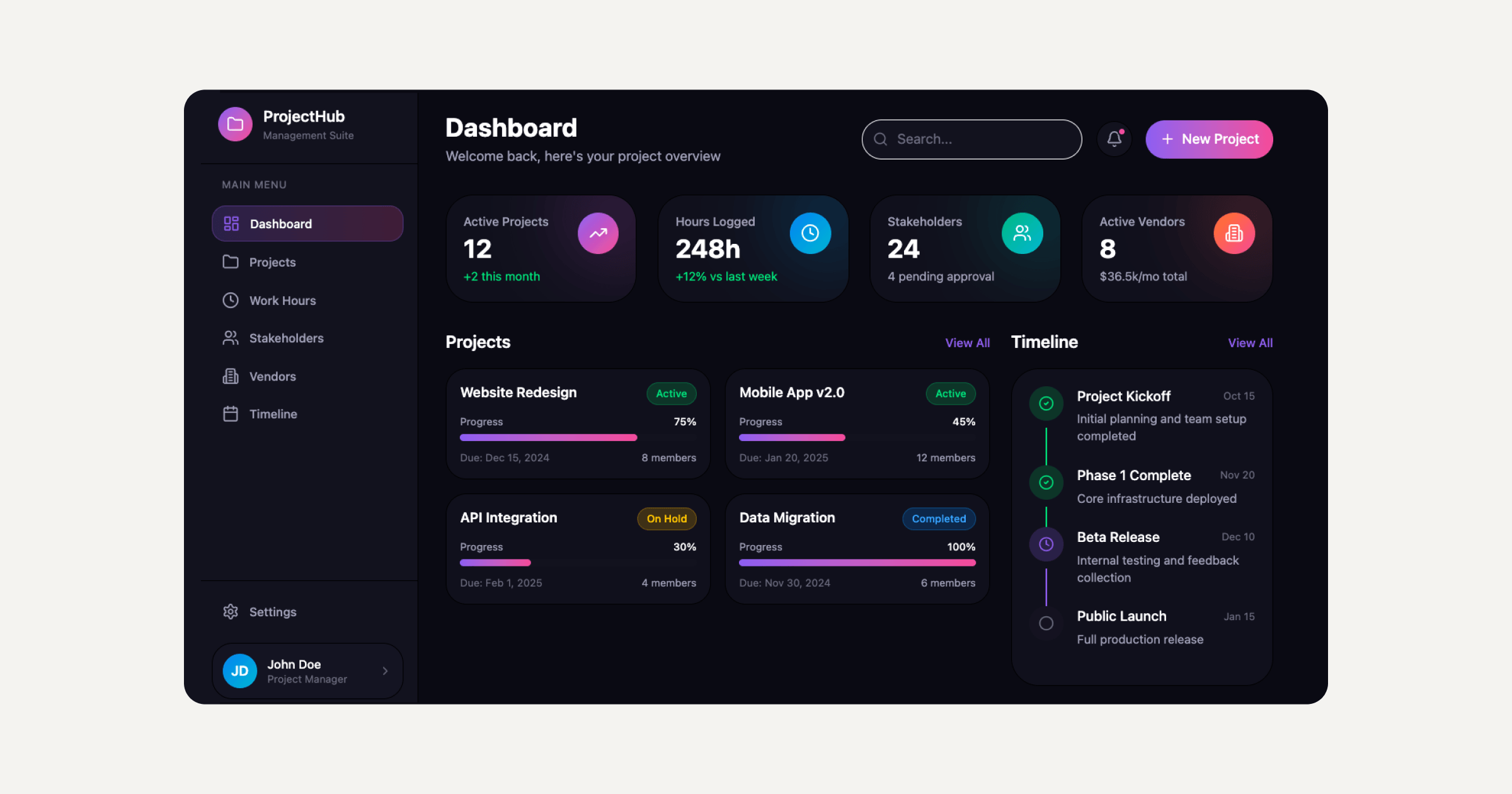
- Sticklight is a vibe-coding platform that generates production-ready websites, apps, dashboards, CMS, and internal tools from a single prompt, and it’s additive to an existing WordPress or Elementor stack.
What Webflow and UI Bakery each build
Webflow centers on a visual Designer canvas that generates HTML and CSS as you build, paired with CMS Collections for structuring dynamic content like blog posts, products, or directories. Paid Site plans include managed hosting, so a Webflow site doesn’t need a separate hosting provider. Code export of HTML, CSS, JavaScript, and assets is available on paid Workspace plans, with no attribution requirement. E-commerce comes as an add-on or plan tier. Webflow is primarily a website and content-site builder, not a multi-user relational-app builder in the way tools like Bubble or Softr are. Third-party reporting indicates Webflow consolidated its former CMS and Business Site plans into a single “Premium” Site plan tier in 2026, though this wasn’t confirmed against Webflow’s own pricing page.
UI Bakery takes a different approach, built for internal tools rather than public websites. It ships with a hosted PostgreSQL database, 5GB on paid tiers, plus a visual table and data editor, and more than 80 pre-built drag-and-drop UI components. It connects to external databases, REST APIs, and third-party services, with unlimited data source connections. Paid tiers include monthly AI credit allotments, and UI Bakery supports both cloud and self-hosted deployment, including an enterprise self-hosted tier that lets you bring a customer-owned AI model.
Webflow vs UI Bakery at a glance
| Dimension | Webflow | UI Bakery | Sticklight |
|---|---|---|---|
| What it is | Visual website builder with a drag-and-drop design canvas, CMS, and managed hosting | Low-code platform for building internal tools, dashboards, and admin panels | Vibe-coding platform that turns a prompt into production-ready websites, apps, dashboards, CMS, and internal tools |
| Output | Marketing and content-driven websites with CMS Collections; e-commerce as an add-on | Internal business applications connected to databases and APIs | Full-stack sites, apps, dashboards, CMS, and internal tools from one prompt |
| Backend / data | CMS Collections for structured content; not built as a multi-user relational-app database layer | Hosted PostgreSQL database (5GB on paid tiers) plus connections to external databases, REST APIs, and other services | Production-ready backend generated as part of the build, additive to a WordPress/Elementor stack |
| Publish / hosting | Managed hosting included with paid Site plans; code export on paid Workspace plans | Available cloud-hosted or self-hosted, including an enterprise self-hosted tier | Publish is part of the Prompt to Build to Publish flow |
| Best for | Designers and marketing teams building a website or content site | Teams building internal tools, dashboards, or admin panels around existing data | Professional web creators wanting production-ready full-stack output from a single prompt |
| Entry pricing | check their site for current pricing | Free (Cloud) at $0 per developer per month; Builder from $20 per developer per month billed annually | Additive to your WordPress/Elementor stack |
Pricing: what’s actually published
UI Bakery’s pricing is confirmed directly from its own pricing page as of August 2026. The Free (Cloud) plan is $0 per developer per month. The Builder (Cloud) plan is $20 per developer per month billed annually, or $25 per developer per month billed monthly. The Team (Cloud) plan is $35 per developer per month billed annually, or $40 per developer per month billed monthly. An Enterprise (Cloud) plan is available on a custom, quote-based basis. Self-hosted versions follow the same structure, with Free, Team, and Enterprise self-hosted tiers, and the self-hosted Enterprise tier adds the option to bring a customer-owned AI model.
Webflow’s official pricing couldn’t be independently confirmed for this article, so no specific figures appear here. Check their site for current pricing before comparing costs directly against UI Bakery.
Where Sticklight fits in
Beyond Webflow and UI Bakery, Sticklight is worth considering as a third option, especially for projects that need more than a website or more than an internal tool. Sticklight is a vibe-coding platform built by the Elementor team and powered by Claude: it turns a prompt into production-ready websites, apps, dashboards, CMS, and internal tools, and publishing is part of the same prompt-to-build-to-publish flow, so there’s no separate export or hosting step to configure afterward. Because it’s additive to WordPress and Elementor rather than a replacement for either, you can use it alongside an existing WordPress or Elementor stack instead of adopting a fully separate tool for every new project type. AI agents are on Sticklight’s roadmap but aren’t a shipped capability yet.
If you’d otherwise need a website builder for the marketing site and a separate low-code tool for the internal dashboard, Sticklight’s single-prompt, full-stack output is the more direct path. Webflow and UI Bakery each remain purpose-built options within their own categories, and the right choice still depends on whether your project is primarily a public website, an internal tool, or a mix that benefits from one full-stack workflow.
Most people treat an AI’s first draft like a finished product, when it’s really just a rough sketch that still needs your hand on it.
Itamar Haim
Frequently asked questions
What’s the main difference between Webflow and UI Bakery?
Webflow is a visual website builder with a CMS and managed hosting, built for designing and publishing marketing and content sites. UI Bakery is a low-code platform for building internal tools, dashboards, and admin panels, backed by a hosted PostgreSQL database. They’re built for different kinds of output rather than competing head to head.
Does UI Bakery have a free plan?
Yes. UI Bakery lists a Free (Cloud) plan at $0 per developer per month, and a Free (Self-Hosted) plan at $0 per developer per month, based on its published pricing page.
How much does Webflow cost?
Webflow’s specific plan prices weren’t independently confirmed for this article, so no figures appear here. Check webflow.com’s pricing page directly for current plan details.
Can Sticklight replace Webflow or UI Bakery?
Sticklight isn’t positioned as a like-for-like swap for either tool. It generates production-ready websites, apps, dashboards, CMS, and internal tools from a prompt, and works alongside an existing WordPress or Elementor setup, which makes it a broader full-stack option rather than a direct one-to-one replacement for a single-purpose website builder or internal-tool platform.
Built by the Elementor team. Powered by Claude.
Let it glow.
