
Wellness app development made easy

Wellness app development is the work of turning a wellness idea, a habit tracker, a meditation library, a bookings platform for a therapist or coach, into a working digital product people can use every day. Done well, it combines a few things: a clear picture of what your users need to do daily, a system for the practitioner or admin side that keeps the business running, and careful handling of any personal or health-related information the app collects.
Building one used to mean hiring a development team and waiting months before you saw anything real. With a prompt-first platform like Sticklight, you can describe the app you want, get a working build, and then refine it by hand until it matches the standard you would expect from a senior designer and developer.
- Wellness app development means building for daily habits rather than a one-time signup, so the app has to earn a place in someone’s routine.
- Most wellness apps combine tracking, guided content, scheduling, dashboards, reminders, and membership access in one product.
- Any health-related data deserves extra care: minimal collection, clear consent, and no medical claims baked into the copy or the product itself.
- Sticklight lets you prompt the member-facing experience and a practitioner or admin dashboard together, then refine both on the canvas.
- The Accessibility and Performance Skills add packaged expertise, WCAG-compliant markup and faster load times, without extra manual work.
- Once the experience and data are connected, publishing on Sticklight includes SEO basics and a security scan before you go live.
What wellness app development means today
Wellness app development covers a wide range of products: fitness and habit trackers, meditation and mindfulness apps, therapy and coaching booking platforms, nutrition logs, and membership communities built around a wellness practice. What they share is a straightforward job: help someone build or keep a habit, and give the person or business behind the app a way to manage clients, content, and progress.
The technical side used to be the bottleneck. A founder or wellness professional with a strong idea would need to brief a development team and wait through several build cycles before the first version was ready to test. That gap is where a lot of good ideas stalled.
The core features most wellness apps need
Before you design or prompt anything, it helps to know the small set of features that show up in nearly every wellness app, in some combination.
- Habit or activity tracking: a repeatable way for a user to log a workout, a meal, a mood, or a streak.
- Guided content: meditations, workout videos, breathing exercises, or structured programs a user follows over days or weeks.
- Progress dashboards: a view that shows a user their history, streaks, or trends over time, without overwhelming them with data.
- Reminders: nudges that bring a user back to the app at the right moment, tied to their own schedule rather than a generic blast.
- Membership or subscription access: tiers that open up more content, more sessions, or more features as a user commits further.
You will rarely need every feature on this list for a first version. The strongest wellness apps start with one core loop, tracking paired with a piece of guided content, and add scheduling, dashboards, and membership tiers as the product proves itself with real users.
Scheduling and bookings for practitioners
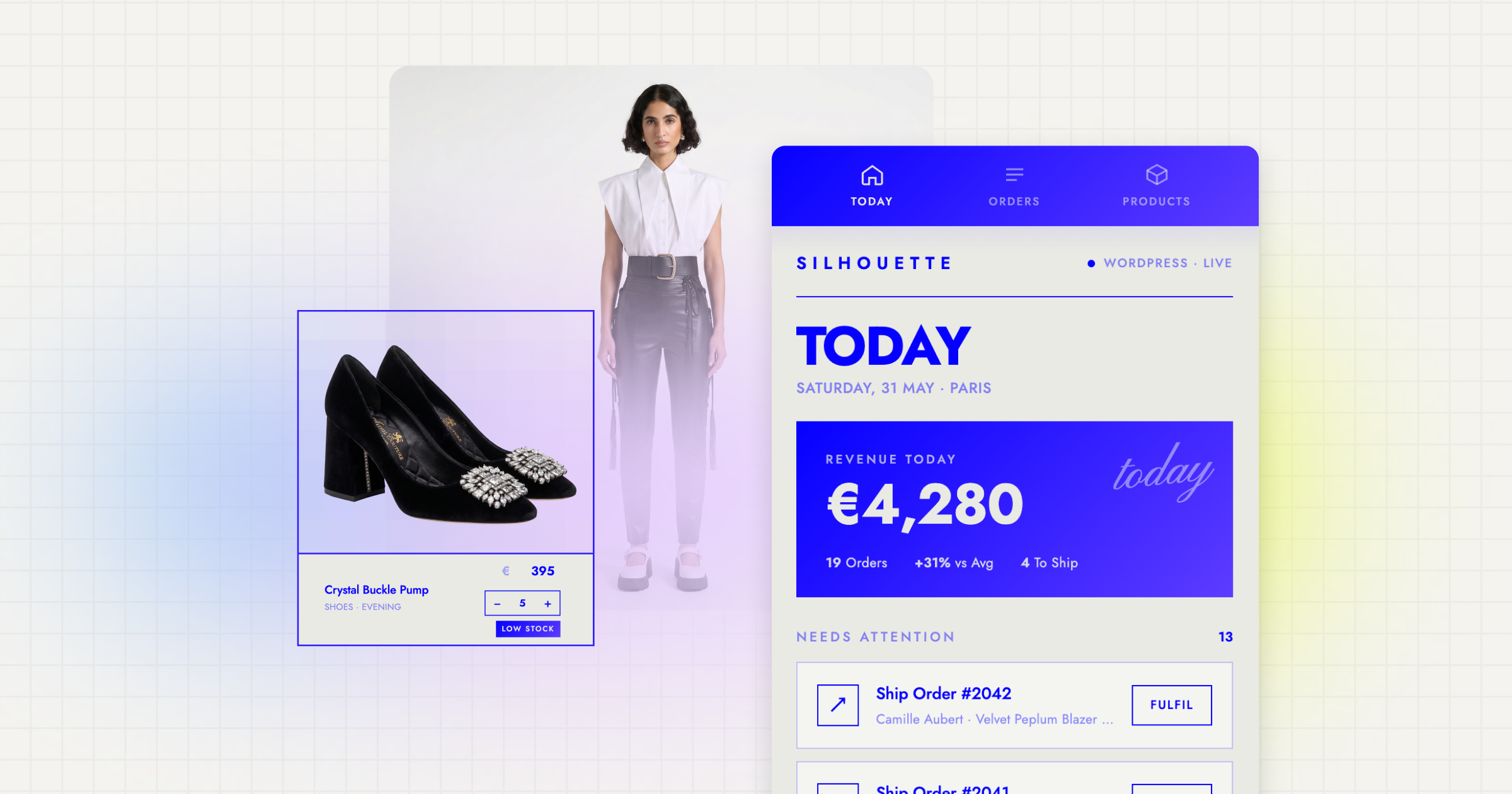
If your wellness app connects users to a real person, a coach, therapist, trainer, or nutritionist, scheduling is not optional. Practitioners need a calendar that reflects their real availability, a booking flow a client can complete without a phone call, and a way to reschedule or cancel without confusion on either side.
Scheduling is also where a lot of wellness apps quietly break down. A booking system that looks polished on the client side but leaves the practitioner manually reconciling a spreadsheet will not hold up once the client list grows past a handful of people.
Privacy and care with health-related data
Wellness apps often touch information people consider private: mood logs, sleep patterns, weight, symptoms, or session notes. That data deserves a higher bar than a typical app.
A few practical habits go a long way:
- Collect only what the product actually needs. A mood tracker does not need a user’s full medical history.
- Be plain about what is stored, who can see it, and how a user can delete it.
- Keep practitioner notes and client-facing progress views separate, so sensitive detail does not surface in a dashboard a client can see.
- Avoid diagnostic or medical language in your product copy. A habit or wellness app is not a substitute for medical advice, and it should not read like one.
None of this requires a large compliance team to get right. It requires deciding early what data you actually need, and building the product around that decision instead of collecting everything and figuring out privacy later.
The Sticklight build path for a wellness app
The wellness build path runs through Sticklight, a vibe-coding platform for professional web creators built by the Elementor team and powered by Claude. It goes beyond websites, turning a plain-language prompt into a production-ready build, apps and dashboards included, then hands you full control to refine every detail by hand.
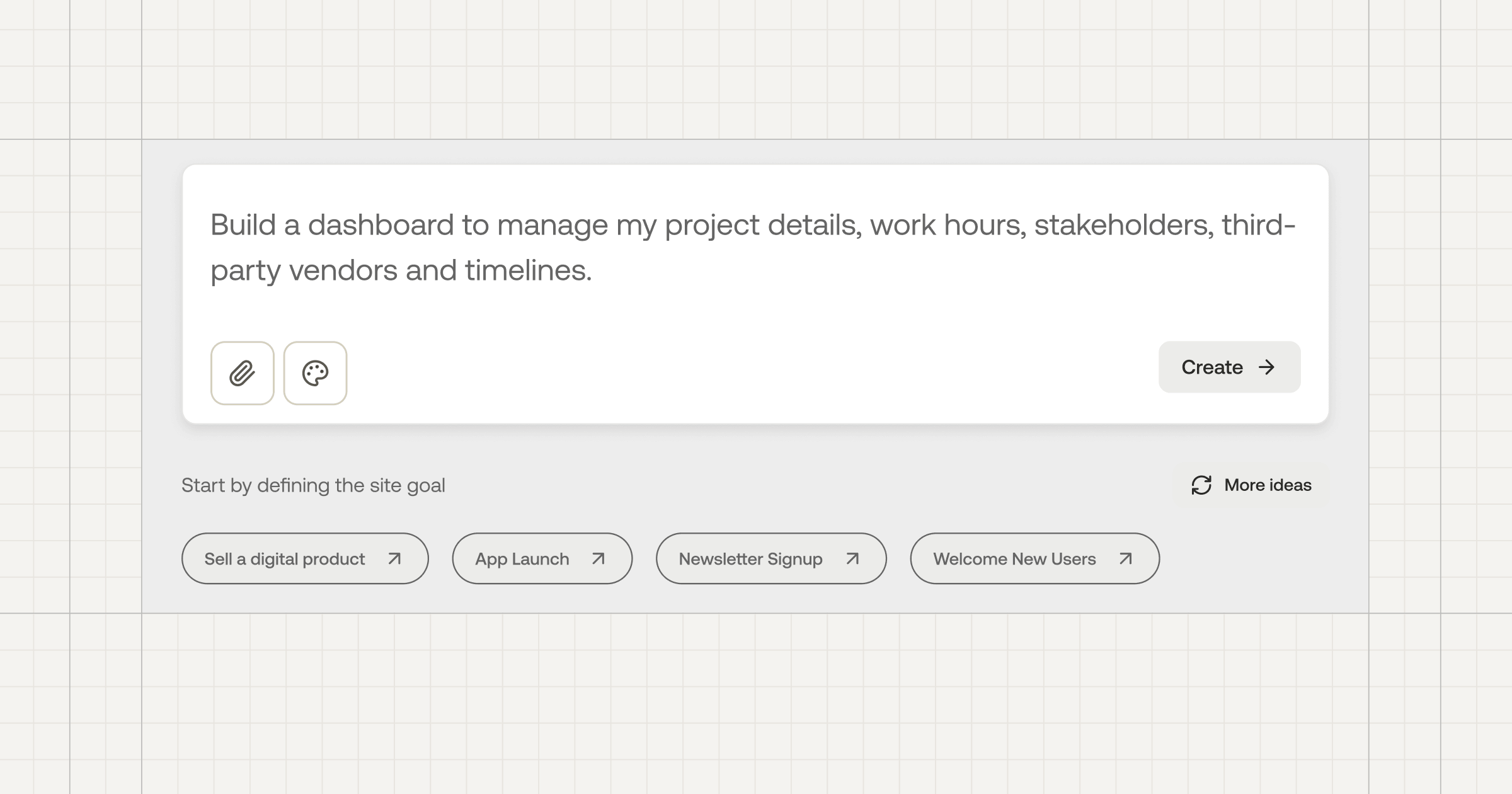
For a wellness app, the practical path looks like this: prompt the member-facing experience, the tracking, the content library, the booking flow, together with a practitioner or admin dashboard, in the same request. Describing both sides at once means the two are built to work together from the start, rather than bolted on later.
Prompt the experience and the dashboard together, then let the canvas do the fine-tuning.
Refining on the canvas and adding Skills
Once the first build is in front of you, the real work is refinement. Sticklight’s canvas lets you edit every pixel by hand: adjust the tracking flow, rework the dashboard layout, or rewrite the copy on a booking confirmation screen. AI does the heavy lifting on the first pass, and you keep full control after that.
Skills belong in this step too, packaged units of expert know-how you apply to the build with one click. For a wellness app, two matter in particular:
- The Accessibility Skill ships WCAG-compliant markup, visible focus states, and proper ARIA labeling, which matters for an app that people may use while managing a health condition or a disability.
- The Performance Skill focuses on how fast the app loads and responds, which matters when someone opens a meditation app in a stressful moment and needs it to work without delay.
Connecting data and publishing
A wellness app is only useful once it is connected to real data: user accounts, tracked activity, booking availability, and membership status. Sticklight supports connecting the data your app runs on as part of the Build phase, alongside ready-made tools and integrations, so the app works with real information rather than placeholder content by the time you publish.
Publishing on Sticklight includes SEO basics built in, a security scan on every build, and the option to connect a custom domain. If your wellness brand already runs on WordPress or Elementor, Sticklight connects to and extends that existing site rather than asking you to start over.
Patience is the actual skill here, not syntax. Syntax I can look up any time.
Itamar Haim
Built by the Elementor team. Powered by Claude.
Let it glow.