

What Is a Cookie?

A browser cookie is a small piece of text that a website stores in your browser after you visit it. Your browser sends that piece of text back to the site on every later request, so the site can recognize you and remember details about your visit instead of treating you as a stranger each time.
Cookies exist because the web wasn’t built with memory. Each request a browser makes is normally stateless, meaning a server has no idea who asked for the last page. A cookie gives the browser a small identifier to carry along, so a site can keep you signed in, remember your cart, or recall a setting without asking again.
How a cookie gets set and read
When you load a page, the server can include a “set this cookie” instruction in its response. Your browser saves that value and ties it to the domain that sent it. On every following request to that same domain, the browser attaches the cookie automatically, so the server can look it up and respond accordingly.
A cookie is typically just a name and a value, plus a few optional rules attached to it: an expiration date, the domain it belongs to, and conditions for when the browser should send it along. None of that requires much storage, which is part of why cookies became the standard tool for this job.
First-party cookies vs third-party cookies
A first-party cookie comes from the domain you are actually visiting. If you’re browsing an online store, a first-party cookie set by that store might remember what’s sitting in your cart or keep you signed in as you move between pages.
A third-party cookie comes from a different domain than the one shown in your address bar, usually loaded through an embedded ad, widget, or tracking script. These cookies let a company follow a visitor’s activity across many unrelated sites, which is why they draw far more privacy scrutiny than first-party cookies do. Most modern browsers now block or restrict third-party cookies by default.
Session cookies vs persistent cookies
A session cookie exists only while your browser is open. Close the tab or the browser entirely, and the cookie disappears along with whatever it was tracking. This is why some sites keep you logged in for one visit but ask you to sign in again the next time you show up.
A persistent cookie carries an expiration date and stays on your device until that date passes or you delete it yourself. Sites use persistent cookies for anything worth remembering across visits, such as a saved language preference or a “remember me” login option.
What cookies are commonly used for
Cookies show up in a handful of everyday jobs on the web:
- Keeping you signed in as you move between pages on a site
- Remembering settings like language, currency, or dark mode
- Holding items in a shopping cart between visits
- Measuring traffic and behavior for site analytics
- Personalizing content or ads based on past activity
Some of these, like keeping a cart intact, are considered essential to a site working properly. Others, like ad personalization, are optional extras layered on top.
Privacy and consent basics
Because cookies can reveal a lot about browsing habits, especially when combined across many sites, privacy laws in several regions now require sites to disclose what they collect and get permission before setting non-essential cookies. That’s the reason behind the consent banners asking you to accept or manage cookies. Essential cookies, the kind needed to keep a site functioning, typically don’t require that consent, while cookies used for analytics or advertising usually do.
You also have direct control. Every modern browser lets you view, block, or delete cookies through its settings, either for a single site or across the board, and most offer a private or incognito mode that clears session cookies as soon as you close it.
My patience with iteration used to run out fast because every round cost real hours. Now I’ll happily try a dozen versions before lunch.
Itamar Haim
Where Sticklight fits
Sticklight is the vibe-coding platform for professional web creators. You describe what you need in a prompt, and it turns that into a production-ready website, app, dashboard, CMS, or tool, going beyond a single page toward becoming a full-stack creator working across an entire product.
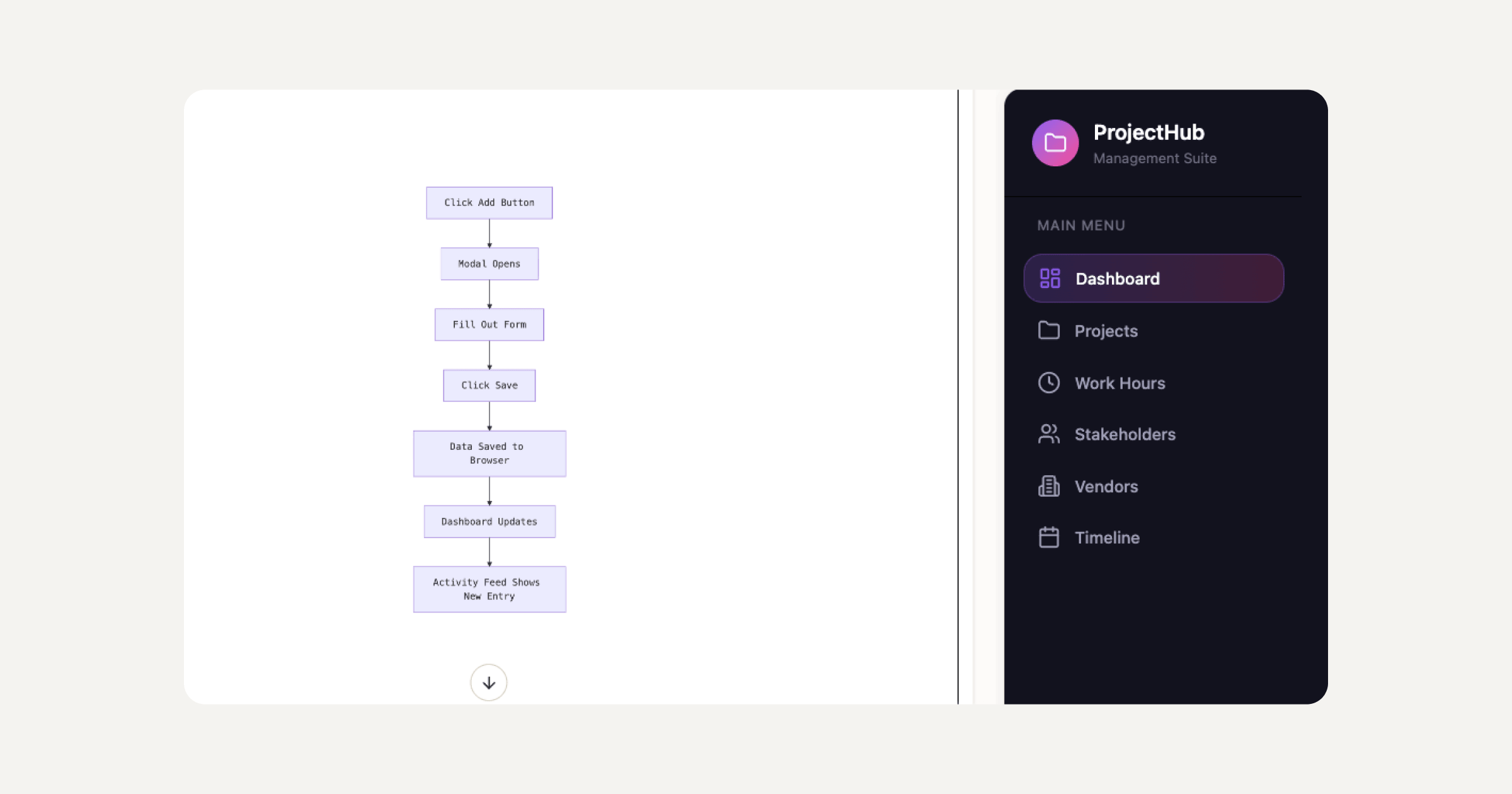
Details like cookie handling and consent banners are exactly the kind of plumbing that needs to work correctly and stay compliant, and building for that is part of what a modern creation platform should handle well. WordPress and Elementor remain strong ground for content-driven sites, and Sticklight extends what you can build on top of that foundation rather than replacing it.
Frequently asked questions
What’s the difference between a cookie and a browser cache?
A cookie is a small piece of text tied to your identity or session on a specific site, while a cache stores actual files like images, scripts, and stylesheets so pages load faster. Clearing your cache won’t remove your login, but clearing cookies usually will.
Are cookies dangerous or a form of malware?
Cookies are just text, so they can’t run code or infect your device on their own. The real concern is privacy, since cookies, especially third-party ones, can be used to track browsing habits across sites.
What happens if I block all cookies in my browser?
Many sites will stop working the way you expect. You may get logged out between pages, lose items from a shopping cart, or have to reset preferences like language every time you visit.
Do cookies store my passwords directly?
Not typically. A login cookie usually holds a session token or identifier that tells the server you’re already authenticated, rather than the password itself.
How long do cookies stay on my device?
It depends on the type. A session cookie disappears as soon as you close your browser, while a persistent cookie sticks around until its set expiration date or until you delete it manually.
Built by the Elementor team. Powered by Claude.
Let it glow.
