What Is a CDN?

A CDN, or content delivery network, is a group of servers spread across many cities and countries that store copies of a website’s files and deliver them from whichever server sits closest to each visitor. Instead of every request traveling back to a single origin server on the other side of the world, it travels a much shorter distance, which cuts loading time and takes pressure off the original server.
Most CDNs cache static files such as images, stylesheets, scripts, fonts, and video, and many now cache full HTML pages as well. The principle stays the same regardless of what’s stored: keep a copy of the content physically close to the person requesting it, so the site feels fast no matter which country or city that visitor happens to be browsing from.
How a CDN works.
A CDN runs on a network of edge servers, sometimes called points of presence, placed in data centers scattered around the world. When someone requests a page, the CDN’s routing system sends that request to whichever edge server is geographically nearest, rather than all the way back to the original hosting server. If that edge server already holds a cached copy of the requested file, it serves it right away, without ever contacting the origin.
When a file hasn’t been cached yet, the edge server fetches it once from the origin, stores its own copy, and then serves that copy to every other nearby visitor who asks for the same file afterward. Cached files carry an expiration time, so the CDN periodically rechecks the origin, discards anything stale, and pulls a fresh copy whenever the underlying content changes.
Why it speeds up your site.
Speed comes down mostly to distance and load. A server sitting on the other side of an ocean adds real, noticeable delay before a single byte can arrive, and a CDN removes most of that delay simply by answering from somewhere nearby instead. Pages full of images, scripts, fonts, and video benefit the most from this, since those are usually the heaviest and slowest parts of any page to load.
A CDN also spreads incoming traffic across many servers instead of concentrating it all on one origin. During a sudden spike, such as a big sale, a product launch, or a post that suddenly goes viral, that spread keeps pages loading normally instead of one lone server straining to keep up with everyone at once.
CDN vs. hosting.
Hosting is where a website actually lives: the server that stores its database, runs its code, processes requests, and generates the pages visitors see. A CDN doesn’t replace that server, it sits in front of it, caching and delivering the parts of the site that don’t change on every visit. Put simply, hosting handles the work, while the CDN handles the distance between that work and the visitor.
Because of that split, a slow or overloaded host can still produce a sluggish site even with a CDN switched on, since dynamic, personalized requests still have to travel back to the origin every time. Fast hosting and a CDN generally work best as a pair, complementing each other, rather than one being expected to fully replace the job the other one does.
When you need one and when you don’t.
A CDN earns its keep once a site has visitors spread across several regions, carries a lot of heavy media, or needs to survive sudden traffic spikes without slowing to a crawl. Online stores, media-heavy blogs, and any site pulling in a genuinely global audience usually see a clear, easily measurable improvement in load times after turning one on.
A small local site with light, steady traffic and visitors mostly clustered in one region may not notice much of a difference at all, and solid hosting alone can often cover its needs just fine. Adding a CDN is usually worth the setup effort, but it isn’t a fix for problems that are actually caused by slow hosting or unoptimized code.
- Faster load times for visitors far from the origin server
- Lower load on the origin server during traffic spikes
- Reduced bandwidth costs for sites carrying heavy media
Where Sticklight fits
Sticklight is the vibe-coding platform built by the Elementor team, designed to turn a plain-language prompt into a production-ready website or app. Getting that finished site delivered quickly to visitors everywhere is a separate layer of infrastructure entirely, and Sticklight is built to work alongside tools like a CDN, complementing fast delivery rather than trying to replace it.
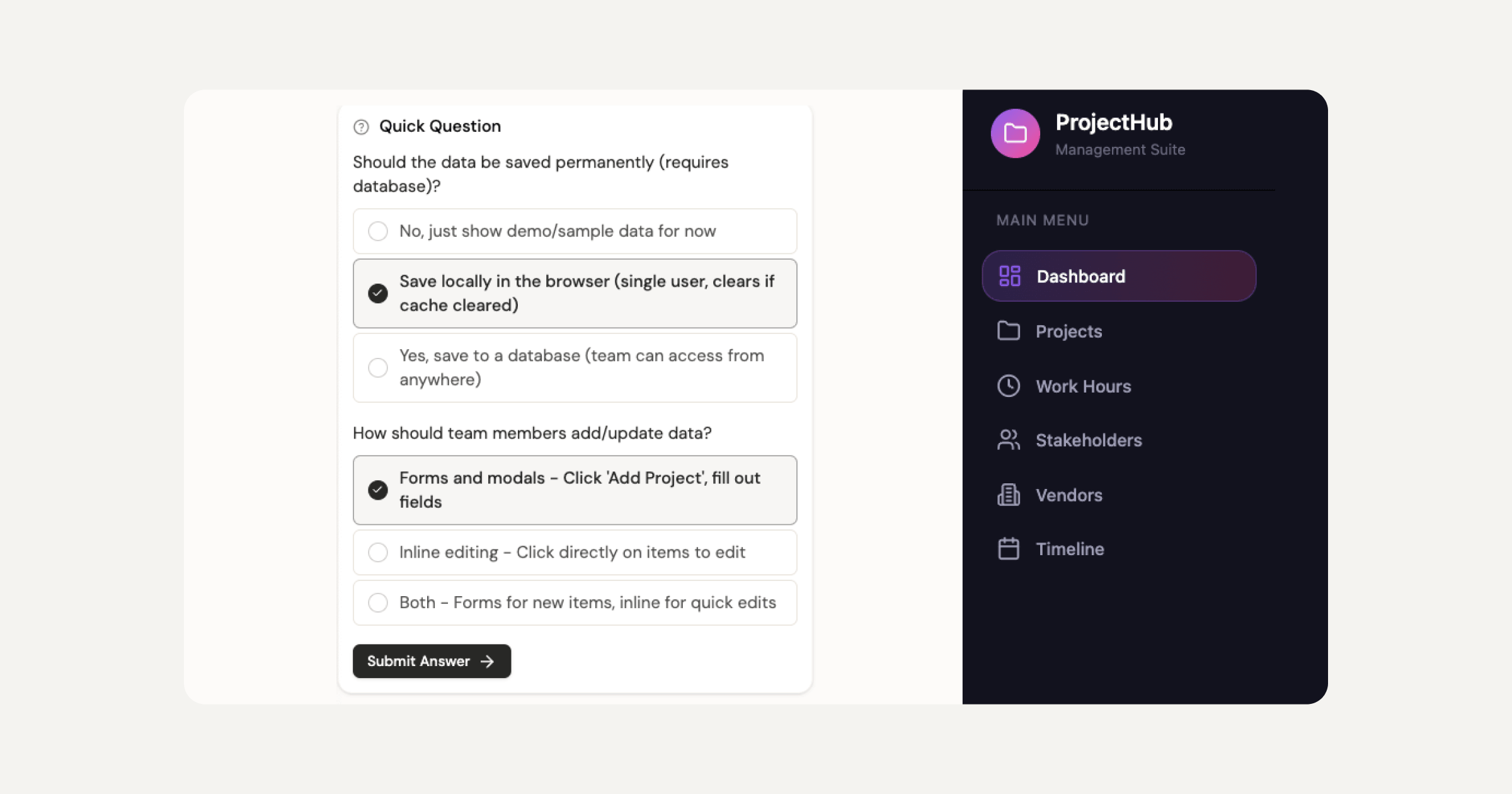
Sites built with Sticklight can still run on Elementor and WordPress, or be hosted anywhere else a project needs, and paired with a CDN the exact same way any other site would be. Sticklight is focused on getting from idea to a working product quickly; pricing details live on its own dedicated pages, not here.
Frequently asked questions
What is a CDN?
A CDN, or content delivery network, is a group of servers spread across many locations that store copies of your website’s files. It serves those files from a server near each visitor, so pages load faster.
How does a CDN work?
A CDN caches static files like images, scripts, and stylesheets on edge servers around the world. When someone visits your site, the nearest edge server delivers the files, reducing the distance data has to travel.
Why do I need a CDN?
A CDN speeds up load times for visitors far from your main server, handles traffic spikes more smoothly, reduces load on your origin server, and can add a layer of protection against certain attacks.
Is a CDN the same as web hosting?
No. Hosting is where your website’s original files live, while a CDN stores cached copies closer to visitors. A CDN works alongside your hosting rather than replacing it.
Do small websites need a CDN?
Not always. A small site with local visitors may run fine without one, but a CDN helps once you have a global audience, heavy media, or traffic that varies a lot.
Built by the Elementor team. Powered by Claude.
Let it glow.