What Is a Database?

A database is an organized collection of information that a computer can store, search, and update quickly and reliably. Instead of scattering data across loose files, a database keeps it in one structured place so applications can find exactly what they need in a fraction of a second, whether that means pulling up a customer record, listing every product in a store, or checking whether a username is already taken.
For anyone building websites or apps, the database is the memory behind the scenes. It holds the content, user accounts, orders, and settings that make a site dynamic instead of static, and it keeps that information safe, consistent, and ready to retrieve the moment a page loads or a form gets submitted. Without one, every visit would start from a blank slate.
How a database works
A database organizes information into structured units, often called tables, records, or documents, and uses a system called a database management system to read and write that data. When an app needs something, it sends a request, called a query, and the database returns just the matching pieces almost instantly. This structure is what lets a website show the right product, profile, or order without searching every file by hand, and it lets thousands of requests happen at once without the information getting mixed up.
Relational vs NoSQL databases
Most databases fall into two broad families. Relational databases store data in tables with rows and columns, similar to a spreadsheet, and connect related tables through shared keys. This structure suits information with clear relationships, like customers linked to their orders, and it enforces consistency through strict rules about what each field can hold.
NoSQL databases take a looser approach, storing data as flexible documents, key-value pairs, or graphs instead of fixed tables. They suit content that changes shape often, like activity logs or product catalogs with varying attributes. Neither type is better in every case, teams choose based on how structured their data is and how fast it needs to grow.
Common examples and everyday uses
Databases run quietly behind almost every digital experience, storing information so it is ready the instant someone needs it again, from a returning shopper checking an order to a friend scrolling a feed. Most of what feels instant on the web is really a well-organized database doing the retrieving. A few common examples:
- Online stores tracking inventory, prices, and orders
- Social apps storing posts, comments, and connections
- Banking apps recording balances and transactions
- Content platforms storing blog posts, pages, and media
- Booking and scheduling tools tracking appointments and availability
Why databases matter for web creators
For anyone designing or building websites, understanding databases means understanding what makes a site dynamic. A gallery that updates itself, a form that saves submissions, a store that reflects real stock levels, all of that runs on a database working behind the interface. Even without writing a query by hand, knowing what a database does helps a creator plan a project that can grow, hold real content, and stay reliable as traffic increases. It also explains why some sites feel static while others feel alive and personal to each visitor.
How modern tools handle databases for you
Setting up and managing a database used to require specialized knowledge, from designing tables to writing queries and keeping everything backed up. Modern web platforms and page builders increasingly handle that complexity automatically, provisioning a database, connecting it to forms and content, and keeping it synced without the creator writing backend code. This shift lets more people build genuinely functional sites and apps, not just static pages, without becoming database administrators first. It also means fewer moving parts to maintain once a project is live.
Where Sticklight fits
Sticklight, a vibe-coding platform built by the Elementor team, takes this a step further by turning a plain-language prompt into a production-ready app with a database and back end already wired up. Instead of separately setting up storage, connecting it to your interface, and writing the logic between them, Sticklight handles that foundation as part of building the app itself, so the data layer is ready from the first prompt.
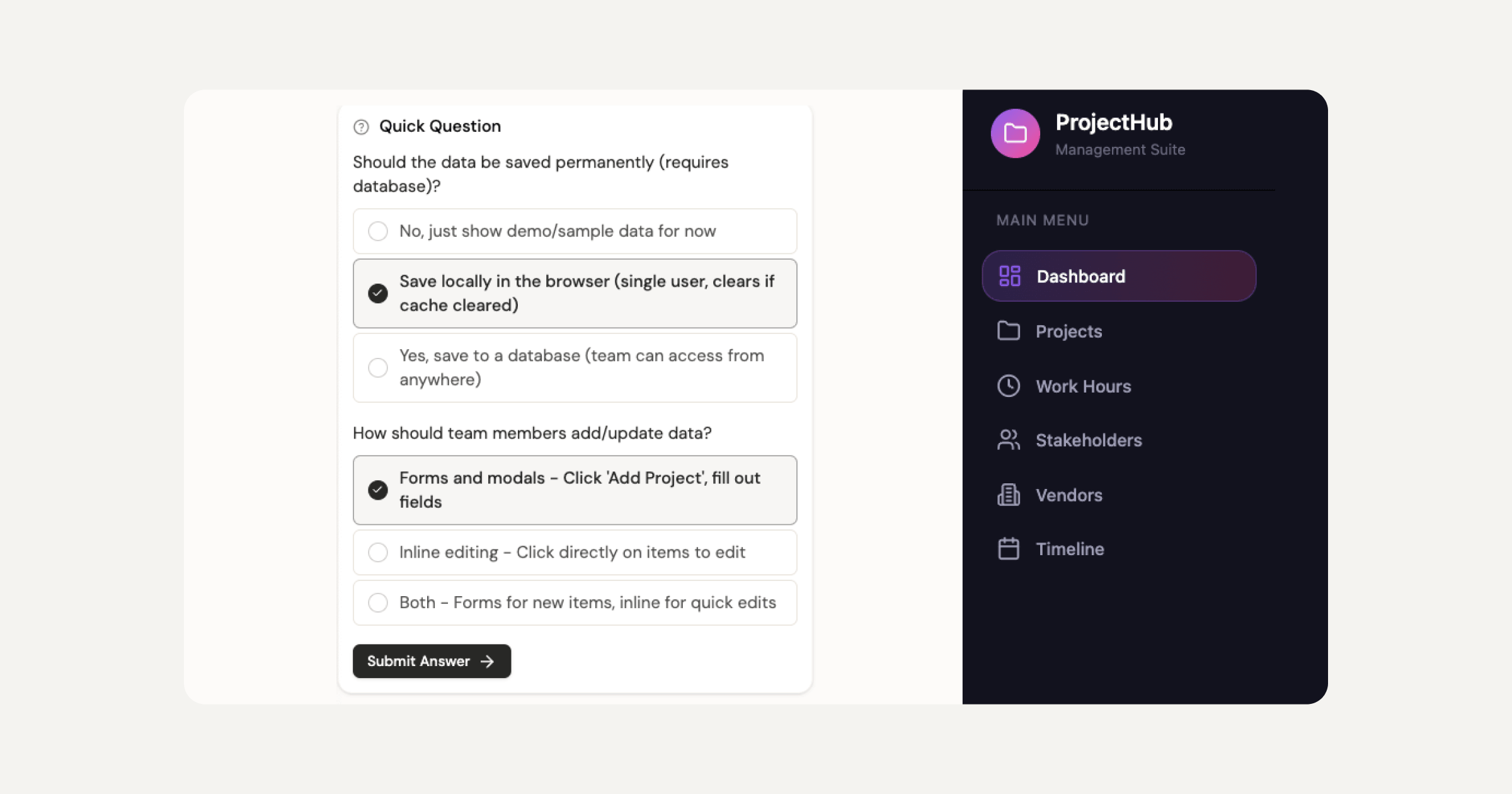
This fits naturally alongside the tools web creators already use. Elementor and WordPress remain strong choices for building rich websites and content-driven pages, and Sticklight extends that same team’s expertise into full applications that need their own database, logic, and back end. Together they give creators a wider range of what they can build without switching ecosystems or learning an entirely new stack.
Frequently asked questions
What is a database?
A database is an organized collection of data stored so it can be easily accessed, managed, and updated. Software uses a database to save and retrieve information like users, orders, or content.
How does a database work?
A database stores data in a structured way, often in tables or documents, and a database management system handles reading, writing, and querying that data so applications can use it reliably.
What are the main types of databases?
The two common types are relational databases, which store data in tables with defined relationships, and NoSQL databases, which store data as documents, key-value pairs, or other flexible formats.
What is a database used for?
Databases power almost every app and website, storing user accounts, products, posts, transactions, and settings, and returning that data quickly when the app needs it.
What is the difference between SQL and NoSQL?
SQL databases use structured tables and a query language called SQL, while NoSQL databases use flexible formats and are often chosen for large or rapidly changing data.
Built by the Elementor team. Powered by Claude.
Let it glow.