
What Is a Domain Name?

A domain name is the readable address you type into a browser to reach a website, such as sticklight.com, standing in for the long string of numbers a computer actually uses to find that site online. It works everywhere the internet does: in browser bars, in email addresses, on business cards, and in search results, giving every website a name people can remember and trust.
For anyone new to the idea, think of a domain name as a shortcut that saves you from memorizing numbers. For professional web creators, it is also part of the technical setup, tied to DNS records, hosting, and email delivery, and part of the brand, since a clear, well-chosen domain builds trust with visitors and helps search engines understand what a site is about.
How a domain name works with DNS
Every domain name is connected to the domain name system, or DNS, which acts like a phone book for the internet. When someone types your domain into a browser, DNS looks up the matching numeric address, called an IP address, and directs the request to the correct server. That lookup happens in a fraction of a second, every single time a visitor loads your site, without them ever noticing it.
DNS records also handle more than the main website address. They route email, verify domain ownership, and connect subdomains to different services or servers. Changing a DNS record can take anywhere from a few minutes to a full day to spread across the internet, a delay known as propagation, which is worth planning around before a launch.
The parts of a domain name
A domain name has two core parts: the name itself and the extension after the dot, known as the top-level domain, or TLD. In sticklight.com, sticklight is the name and .com is the TLD. Many domains also carry a subdomain in front, like blog.sticklight.com, which points visitors to one specific section of a larger site.
- Subdomain: optional, sits in front of the main name, such as blog or shop
- Domain name: the main word or phrase chosen by the owner
- TLD: the extension after the dot, such as .com, .io, or .co
How to register a domain name
Registering a domain name means reserving it for your own use, typically for one year at a time, with the option to renew. You search for an available name, pick an extension that fits your project, and complete the registration with your contact details. Some extensions have extra requirements, such as proof of a business or a local address, so it helps to check availability and rules before settling on a final choice.
Once registered, the domain belongs to you for as long as you keep renewing it. You can then point it to any hosting provider, redirect it, or connect it to a website builder. Keeping your contact details current and renewing on time matters, since a domain that lapses can be picked up by someone else.
Domain name versus hosting
A domain name and hosting are two different things that work together, and mixing them up is a common source of confusion for newcomers. The domain is the address people type to find your site. Hosting is the server space where the actual website files, images, and databases live and run. Neither one does much good on its own, which is why most projects need both from the start.
You can buy a domain and hosting from the same place, or from two separate providers, and still connect them. Doing so simply means updating the domain’s DNS settings to point at the hosting server. For professional creators, this separation is useful, since it allows moving a site to new hosting without ever changing the domain visitors already know.
Choosing a domain name that fits your site
A good domain name is short, easy to spell, and easy to say out loud, since people often hear it before they see it typed. It should reflect the name of your business or project, stay memorable without relying on hyphens or numbers, and use an extension your audience already recognizes and trusts. A little extra time spent here pays off every time someone shares your site by word of mouth.
Getting this right early matters, because changing a domain after launch is more disruptive than it sounds. It means updating links, email addresses, business cards, and search engine listings, and it can temporarily affect how easily people find you. Picking a name you are happy to keep for years is almost always easier than switching later.
Where Sticklight fits
Once you understand what a domain name is, the next step is putting a real website behind it. Sticklight is a vibe-coding platform by the Elementor team that turns a plain-language prompt into a production-ready website, fully built and styled, and ready to connect to your domain and publish as soon as you are happy with it.
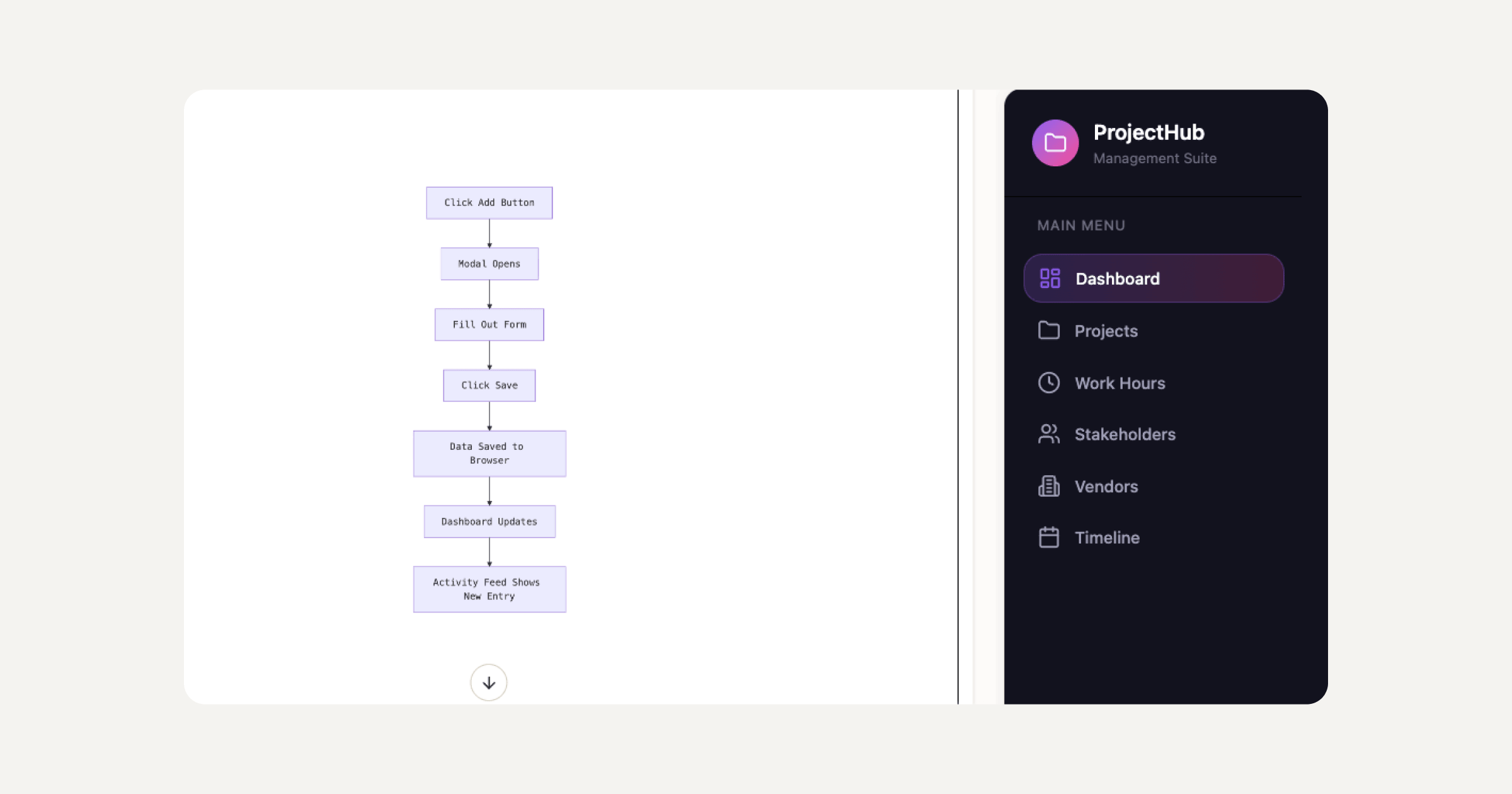
Sticklight builds on the same foundation as Elementor and WordPress, adding a faster, prompt-driven way to get a site live. It fits naturally alongside the tools many creators already use, so once your domain is ready, connecting it and publishing your new site takes just a few simple steps.
Frequently asked questions
What is a domain name?
A domain name is the address people type to reach your website, such as example.com. It is a readable name that points to the server where your site lives, so visitors do not need to remember numbers.
How does a domain name work?
When someone enters your domain, the Domain Name System (DNS) translates it into the IP address of the server hosting your site, and the browser loads your pages from there.
What are the parts of a domain name?
A domain has a name and an extension, such as the example and .com in example.com. The extension is called the top-level domain, and there are many options like .com, .org, and .net.
How do I register a domain name?
You choose an available name through a domain registrar, pick an extension, and pay a yearly fee to reserve it. You then point the domain to your hosting or website platform.
What is the difference between a domain and hosting?
A domain is your website’s address, while hosting is where your site’s files are stored. You need both, a domain so people can find you and hosting to serve your pages.
Built by the Elementor team. Powered by Claude.
Let it glow.
