What Is a Progressive Web App?

A progressive web app is a website built with modern web technology so it looks, feels, and behaves like an installed app, complete with a home screen icon, full screen layout, and the ability to work when your connection drops. If you have ever wondered what is progressive web app really means in practice, it comes down to three ingredients: a service worker, a web app manifest, and a browser that knows how to use both.
This article walks through what a progressive web app is, how the pieces work together, how it compares to a native app or an ordinary website, and where it earns its keep. By the end you will have a clear picture of when a PWA is the right call for your project and what it takes to get there.
What is a progressive web app
At its core, a progressive web app is just a website. It runs in a browser, it is built with HTML, CSS, and JavaScript, and it lives at a normal URL. What sets it apart is a small set of web standards that let it pick up app-like abilities gradually, hence the word progressive, without forcing every visitor onto the same experience.
Someone on an older browser still gets a working page. Someone on a modern phone gets the option to install it, launch it from an icon, and use parts of it offline. Nothing about the underlying code changes, only what the browser is able to offer.
How a PWA works
Two files do most of the work. The web app manifest is a small JSON file that tells the browser your app’s name, icons, colors, and how it should open, full screen or in a browser tab. The service worker is a script that runs in the background, separate from the page, and intercepts network requests so it can decide what to fetch and what to serve from cache.
Together they enable install prompts, offline access to previously loaded content, and push notifications, since the service worker can stay active and listen for messages even when the site itself is not open in a tab.
PWA vs native app vs regular website
A regular website needs an active connection and offers no install step. A native app, downloaded from an app store, has the deepest access to device hardware but takes longer to build, review, and update, and lives on two separate codebases for iOS and Android. A PWA sits between the two.
You write one codebase, ship instantly by updating the website, and users install it directly from the browser with no store review. It will not match a native app for things like deep hardware integration, but for most content, tools, and dashboards, that gap rarely matters.
Benefits of a PWA
The appeal of a progressive web app comes down to reach and speed. Anyone with a browser can open it, no store account or download required, which removes real friction between a visitor and your product. Caching through the service worker also makes repeat visits noticeably faster, since assets load from the device instead of the network.
- One codebase to maintain instead of separate iOS and Android builds
- Installable home screen icon without an app store listing
- Works offline or on flaky connections using cached content
- Push notifications to bring people back
- Lower cost to build and update compared with native apps
When to build a progressive web app
A PWA makes sense when you want app-like convenience without the overhead of native development, think content platforms, internal tools, e-commerce catalogs, or dashboards people check often. It is a strong fit when offline access or a home screen presence would genuinely help your users.
If your product depends on deep device features such as advanced camera control, background location, or platform-specific APIs, a native app may still serve you better. Many teams start with a PWA and move to native later only if a specific hardware need demands it.
Where Sticklight fits
Understanding what a progressive web app is only helps if you can actually build one. Sticklight turns a plain language prompt into a production ready website, web app, dashboard, or tool, including the manifest and service worker groundwork a PWA needs, so you can go from idea to something real without hand coding every piece yourself. It is built to help you become a full stack creator, not just a person who describes what they want.
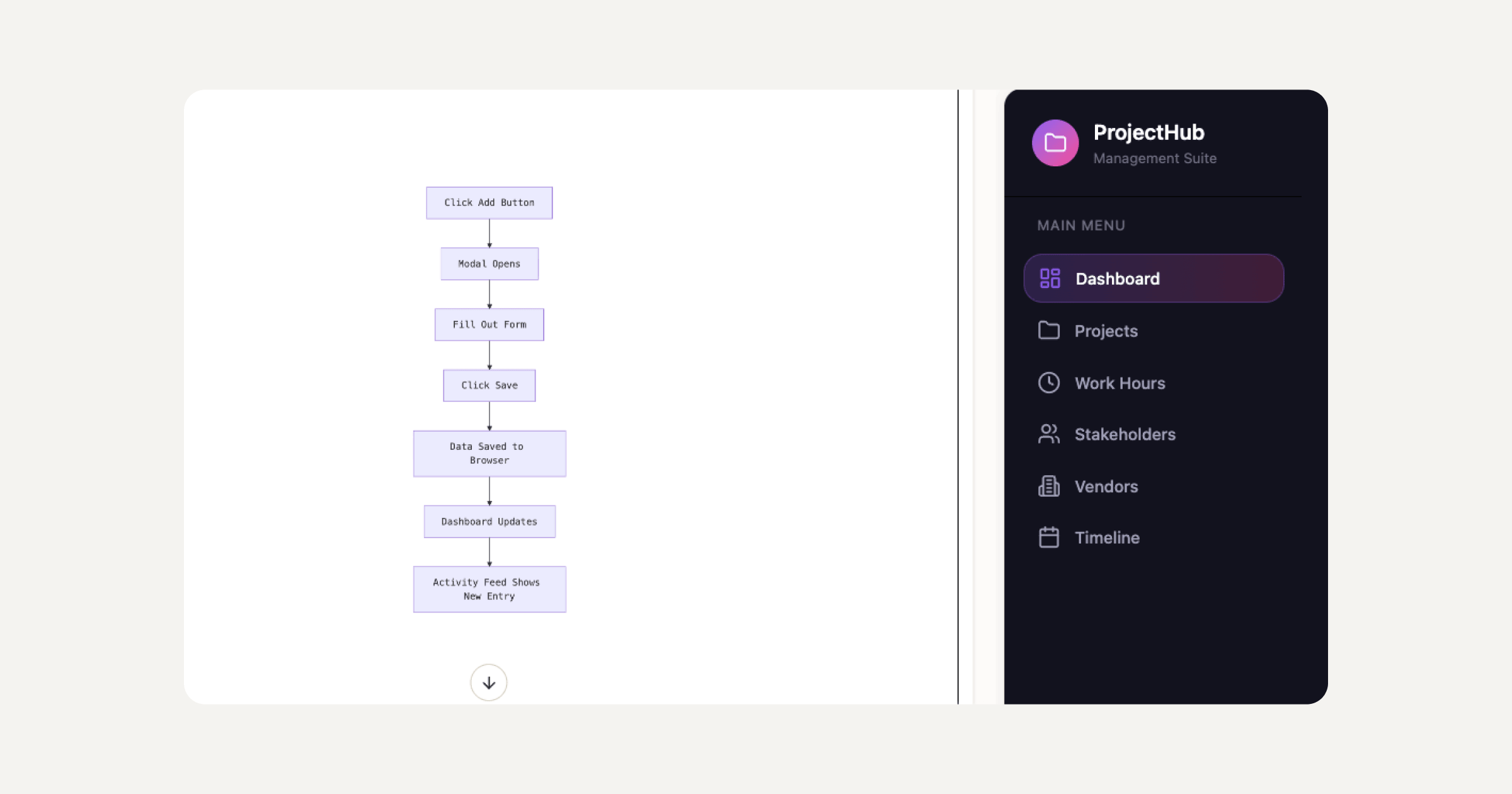
Sticklight is additive. It does not ask you to abandon an existing WordPress or Elementor site, it works alongside it, so you can spin up a new app or tool while your current site keeps doing what it already does well.
Frequently asked questions
What is a progressive web app?
A progressive web app, or PWA, is a website built with modern web features so it behaves like an app. It can be installed, work offline, and send notifications, all from the browser.
How is a PWA different from a native app?
A PWA runs through the browser and installs without an app store, while a native app is built for a specific platform and distributed through the app stores. PWAs are faster to ship and update.
What are the benefits of a PWA?
PWAs load fast, work offline, can be installed to the home screen, work across devices from one codebase, and skip app store approval, which lowers cost and speeds updates.
Do PWAs work offline?
Yes. A service worker caches key files and data so the app can load and work without a connection, then sync when the connection returns.
When should I build a PWA?
A PWA suits teams that want app-like features, broad reach, and fast updates without maintaining separate native apps, especially for content, commerce, and productivity tools.
Built by the Elementor team. Powered by Claude.
Let it glow.