
What is a SaaS business? A simple guide to software as a service

A SaaS business is a company that builds its core product as software delivered over the internet, then earns revenue by charging customers an ongoing subscription instead of a one-time purchase. The product lives in the cloud, customers log in through a browser or app, and the company running it handles hosting, updates, and maintenance behind the scenes. If you have ever paid a monthly or yearly fee to use a tool rather than installing a program from a download or a disc, you have already used a SaaS product.
This model has become the default way founders bring software to market, because it lowers the barrier to try a product and gives the company a predictable, recurring relationship with every customer.
- A SaaS business delivers its product as an ongoing service, not a one-time download, and customers pay through recurring subscriptions.
- The product runs in the cloud, so updates and fixes reach every customer at once, with nothing to reinstall.
- SaaS businesses take different shapes, from single-purpose tools to dashboards to multi-feature platforms.
- Running a SaaS business means shipping the product once, then supporting, maintaining, and improving it for as long as customers stay subscribed.
- With Sticklight, a founder can build the actual SaaS product, the app and the admin dashboard, from a plain-language prompt, then refine it on the canvas and connect real data.
- Monetization in SaaS is structured around plans and tiers rather than a single purchase price.
What makes a business a SaaS business
A company qualifies as a SaaS business when its product is software, it is delivered as a hosted service rather than shipped as a file or a box, and customers pay to keep using it over time. The company owns the servers, the database, and the codebase. The customer never installs anything locally. They simply sign in and the product is there, kept current by the team behind it.
This differs from a company that sells software as a single download, or one that builds a custom project for a client and hands it over. A SaaS business keeps the product and keeps a direct, ongoing relationship with every account.
How the subscription and delivery model works
Three pieces make the SaaS model work together.
- Recurring subscriptions. Customers pay on a regular cycle, often monthly or yearly, to keep their access active. Plans are usually tiered by feature set, usage limits, or number of seats, so a customer can start small and move to a higher tier as their needs grow.
- Cloud delivery. The product runs on infrastructure the company manages, not on the customer’s own machine. Customers reach it through a browser or a lightweight app, from any device, without setup.
- Continuous updates. Because there is one codebase serving every customer, the company can ship a fix or a new feature once and have it live for everyone immediately. Nobody waits for a new version to download.
Put together, the relationship between company and customer never really ends at a single sale. It renews, or it does not, based on whether the product keeps earning its place.
Why SaaS became the default for modern software
Software used to be something you bought once, installed, and lived with until the next paid upgrade. SaaS changed the economics on both sides. Customers get a lower barrier to entry, often a free trial or a low starting tier, so they can try a product before committing to it. Companies get predictable, recurring revenue instead of relying on a wave of one-time purchases.
That predictability changes how a company builds, too. With real usage data flowing in continuously, a SaaS team can see what customers actually do and adjust course, rather than guessing at what the next release should include. Add to that cloud infrastructure, which made hosting a product for thousands of accounts practical for a small team, and SaaS became the natural default.
The common shapes a SaaS product takes
Not every SaaS product looks the same. Most fall into one of three broad shapes, and many blend more than one as they grow.
- Tools. A focused product that does one job well, such as scheduling appointments, sending invoices, or managing a single workflow. Tools tend to be simple to learn and quick to adopt.
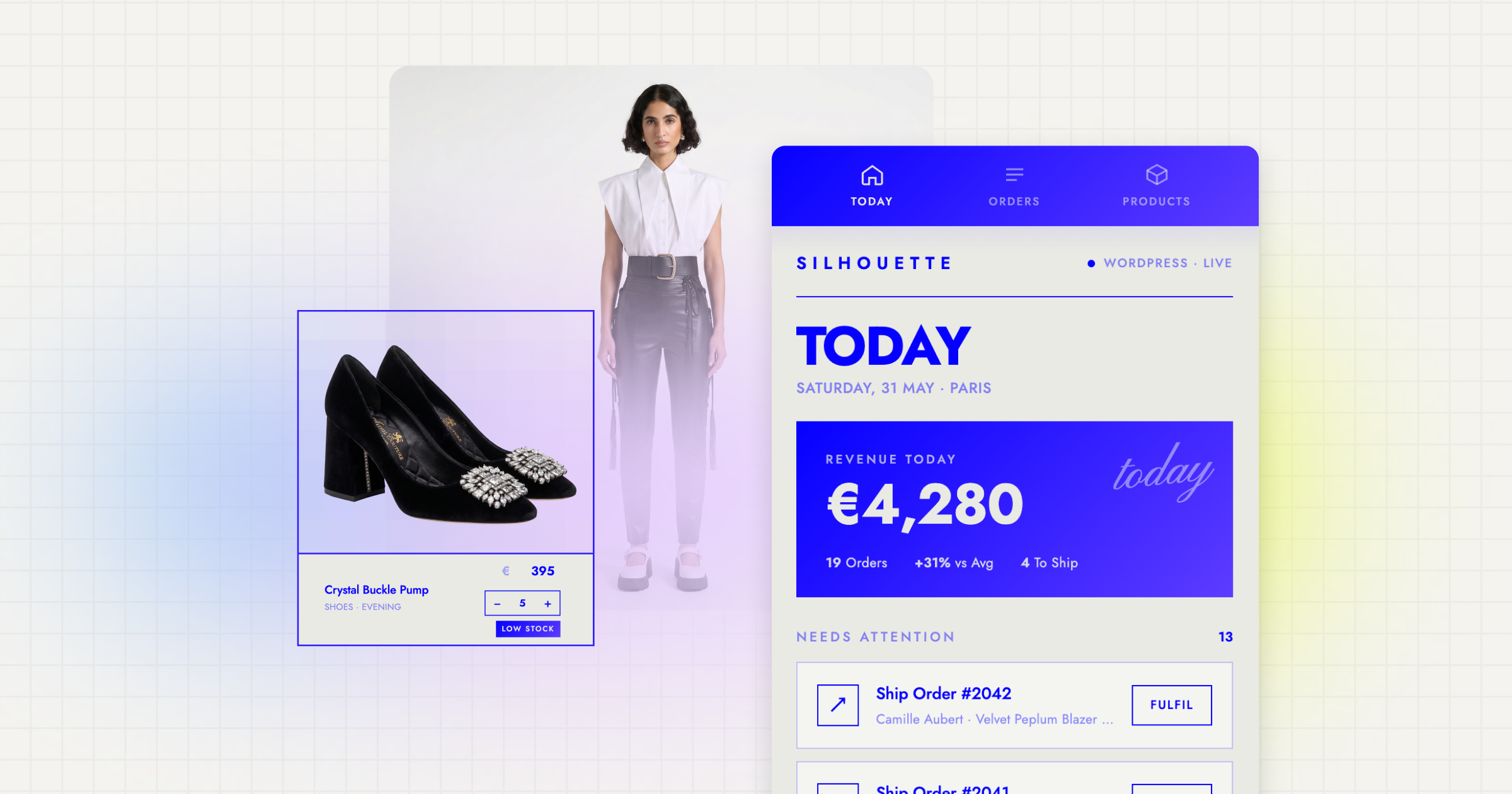
- Dashboards. A product built around visibility, pulling data into one place so a customer can monitor a business function, track metrics, or manage operations without digging through spreadsheets.
- Platforms. A broader system with multiple connected modules, such as a booking system paired with a customer database and a content area. Platforms give customers more to configure and more reasons to stay.
Many successful SaaS businesses start as a single tool and expand into a dashboard or a platform once they understand what their customers keep asking for.
Common SaaS business models
Beyond product shape, SaaS businesses tend to organize around a few structural choices that shape everything from pricing to sales.
- Horizontal versus vertical. A horizontal product serves a function almost any business needs, such as invoicing, across many industries. A vertical product is built for one industry’s workflows, such as a booking system built only for salons.
- B2B versus B2C. Business-to-business SaaS sells to companies, often with higher per-seat pricing and a support-driven relationship. Business-to-consumer SaaS sells directly to individuals, usually at higher volume with a lighter, self-serve touch.
- Self-serve versus sales-led. Some products let a customer sign up and start using the product without talking to a human. Others rely on a sales conversation first, typically for higher-priced, more complex tools.
None of these choices are fixed. A founder often starts self-serve and horizontal, then narrows or adds a sales motion once the product finds its strongest audience.
What it takes to run a SaaS business day to day
Launching the product is the beginning, not the finish line. A SaaS business runs on a handful of ongoing responsibilities that never really stop.
- Keeping the service reliable and available, since customers expect the product to work whenever they log in.
- Supporting customers who hit questions, bugs, or edge cases, especially as the account base grows.
- Shipping improvements based on what customers actually use and ask for, not just what launched on day one.
- Protecting customer data and account security as the product handles more sensitive information over time.
- Managing the subscription relationship itself, including plan changes, renewals, and the occasional cancellation.
Because revenue is recurring, retention matters as much as new sign-ups. Winning a customer and losing them a month later has not really won anything.
Building the actual SaaS product with Sticklight
Once you understand what a SaaS business is, the next question is how to actually build the product behind it. With Sticklight, that starts with a plain-language prompt. A founder can describe the app they want, including the customer-facing product and the admin dashboard behind it, and Sticklight builds a production-ready first version rather than a rough demo.
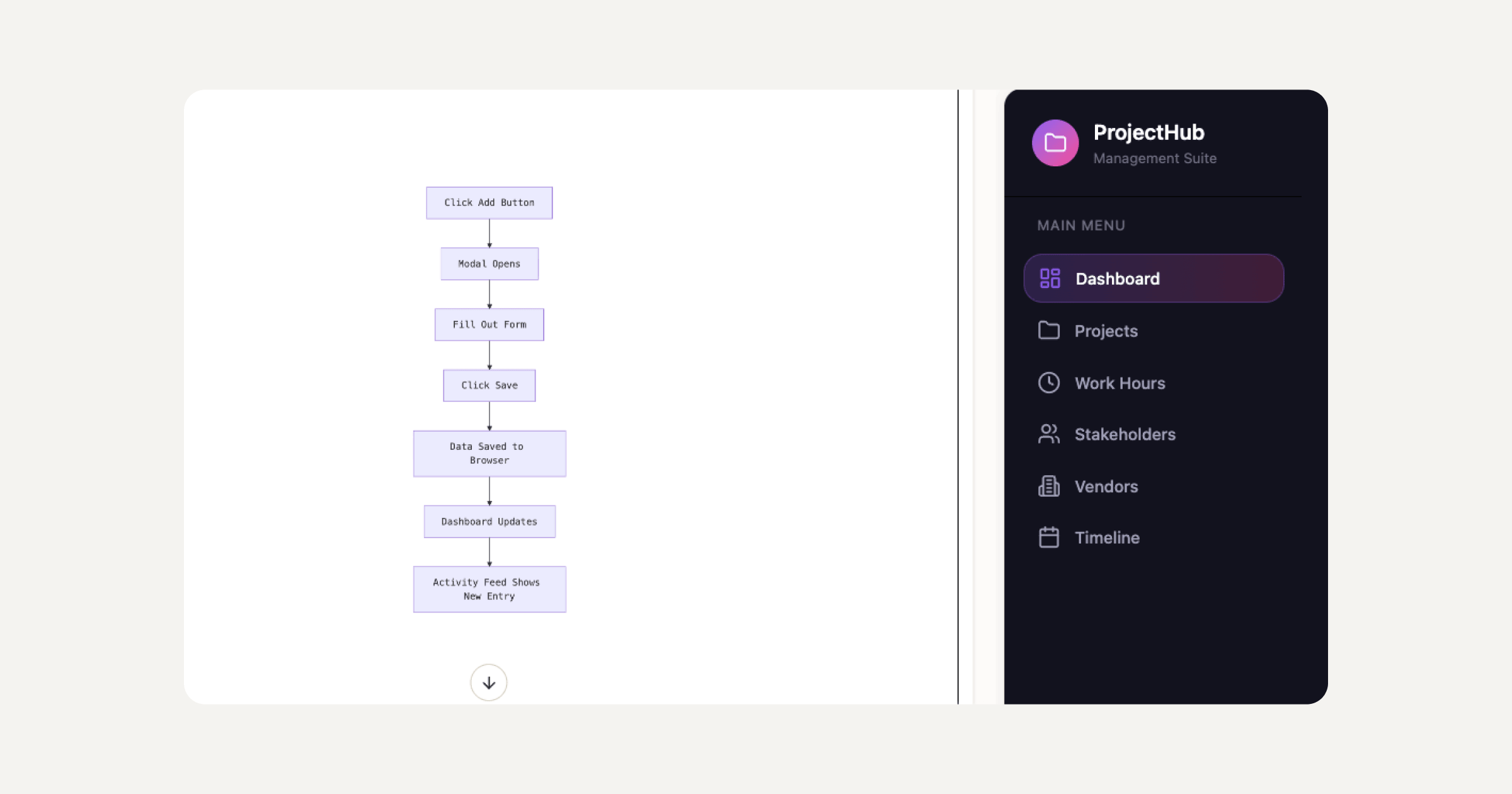
From there, the work moves to the canvas, where every pixel stays editable. You can refine layouts, adjust flows, and connect real data such as forms, records, or a database-backed workflow, so the product behaves like a working SaaS tool rather than a static mockup. Skills can be added to the build with one click, packaging in expertise like accessibility, SEO, performance, or a consistent design system without needing a specialist for each one.
When the product is ready, Sticklight’s publish step covers what a real SaaS launch needs: built-in SEO, a security scan on the build, a custom domain connection, and hosting for the app itself. Monetization stays your own business decision, with plans that scale by seats and features rather than a fixed one-time price.
When an AI writes your first version, you owe it a second look before anyone else sees it. That review is where you actually learn the system you’re building.
Itamar Haim
Built by the Elementor team. Powered by Claude.
Let it glow.
