What Is a Sitemap?

A sitemap is a file that lists the important pages on a website, so search engines can find and understand them more easily. Think of it as a map of your site’s structure, one that shows what content exists and how the pages connect, so nothing important gets missed while crawling and indexing take place.
Two main types exist: XML sitemaps and HTML sitemaps. An XML sitemap is a structured file, usually called sitemap.xml, that search engine crawlers read automatically to discover your pages. An HTML sitemap is a visible page on the site itself, built for human visitors who want another way to browse. Most healthy websites use both.
Why sitemaps matter for SEO
Search engines usually discover pages by following links from one page to another, but not every page gets linked in an obvious place. A sitemap gives crawlers a direct, reliable list of URLs to check, which helps a lot with new pages, large sites, and pages that internal navigation does not surface well. That can lead to pages getting found and indexed faster and more completely.
This becomes especially useful on large sites with thousands of pages, where crawlers only have a limited amount of time and attention for any one domain. A clear sitemap helps them spend that time on your actual content instead of getting lost following links, which matters more the bigger and more complex a site becomes.
XML sitemaps: built for search engines
An XML sitemap is a machine readable file that lists your site’s URLs, often alongside details like when a page was last updated. Search engines use this file to plan their crawling and confirm they are not missing anything. Site owners typically submit the file through a tool like Google Search Console, and most website platforms generate and update it automatically as pages are added or changed.
Large or fast changing sites sometimes split their pages across several sitemap files, tied together by one sitemap index file. Product catalogs, image libraries, and video content can each get their own dedicated sitemap. None of this is needed for a small site, but it keeps things organized once a site grows past a few hundred pages.
HTML sitemaps: built for visitors
An HTML sitemap is a normal page on the website itself, written for people rather than crawlers. It lists key sections and pages in an organized way, giving visitors another path to content they might not find through the main menu. On larger sites with deep navigation, it also works as a helpful backup route when someone cannot locate what they need.
Beyond navigation, an HTML sitemap can support accessibility too, since it gives visitors a simple, text based list of links rather than relying on menus, dropdowns, or search boxes that are not always easy to use. It is a small addition, but one that costs little and can genuinely help people find what they came for.
What a sitemap usually includes
A typical XML sitemap keeps its entries simple on purpose, since the file is meant for crawlers rather than people browsing casually. Each entry usually points to one page and pairs it with a small, consistent set of details, which commonly includes the following, listed here for quick reference:
- The page URL
- When the page was last updated
- How often the page tends to change
- Its relative priority compared to other pages on the site
Not every field is required, and many modern sitemaps only include the URL and the last updated date. What matters most is accuracy, since outdated or broken entries can confuse crawlers instead of helping them, especially on sites that add or remove pages often.
There was a time I’d sit with an idea for days before touching a keyboard, afraid of the effort ahead. Now I just start describing it.
Itamar Haim
Where Sticklight fits
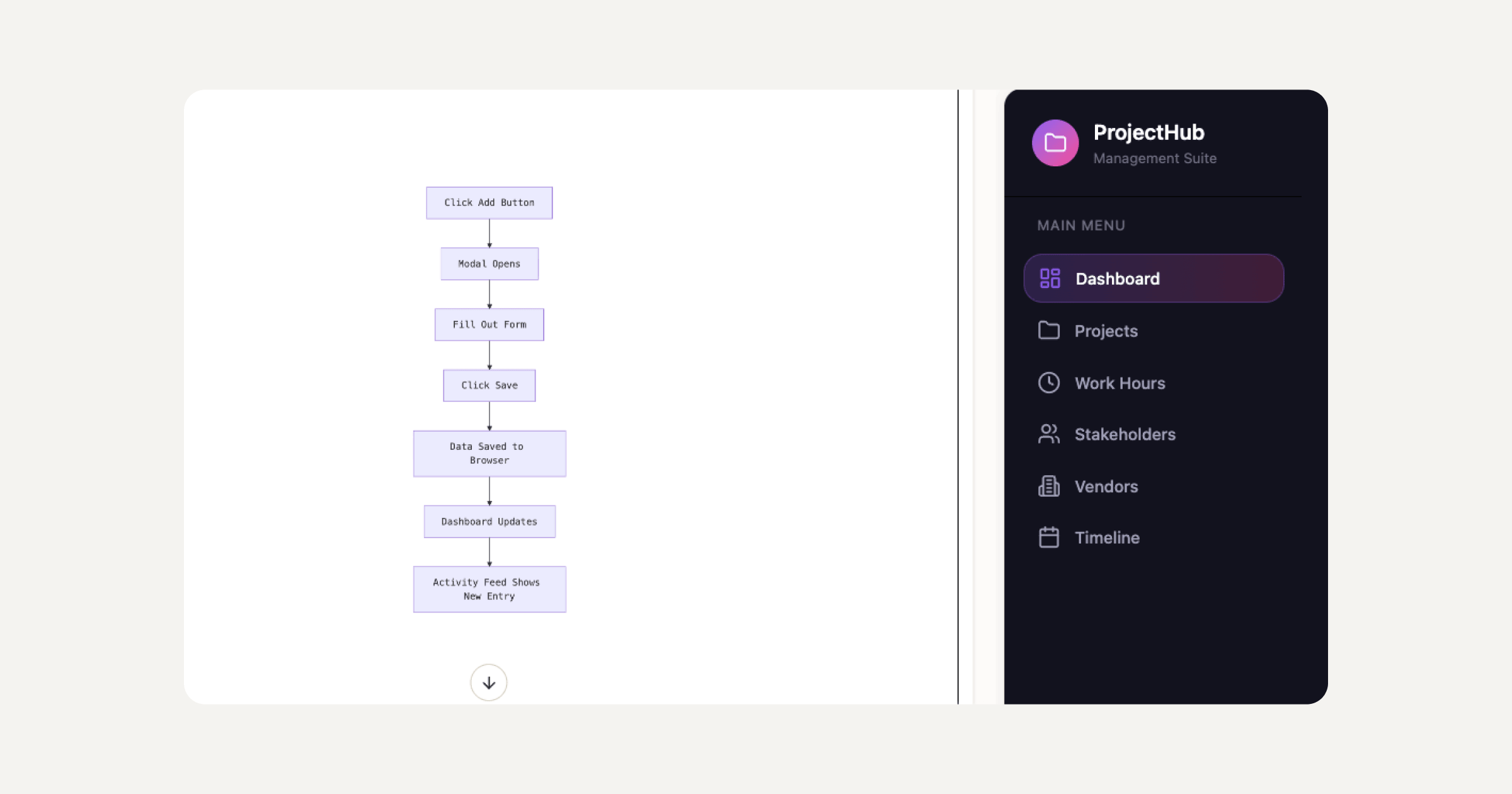
Sticklight is a vibe-coding platform built by the Elementor team and powered by Claude. It turns a plain language prompt into a production-ready website, app, dashboard, or tool, with a clear structure and pages already in place from the start. That includes handling technical basics, such as a working sitemap, as part of the build rather than leaving them for later.
This sits alongside tools like Elementor and WordPress rather than replacing them. Many people still choose to design visually in Elementor or manage content and plugins in WordPress, and both remain solid, well established ways to build a site. Sticklight simply adds another path: a way to get a structured site up quickly when starting from a prompt makes more sense than starting from a blank canvas.
Frequently asked questions
What is a sitemap?
A sitemap is a file or page that lists the important pages on your website. An XML sitemap helps search engines find and index your content, while an HTML sitemap helps visitors navigate.
Why is a sitemap important?
A sitemap helps search engines discover your pages, especially on larger or newer sites. It can improve how quickly content gets indexed and helps visitors understand how your site is organized.
What is the difference between an XML and HTML sitemap?
An XML sitemap is written for search engines and lists URLs with extra details. An HTML sitemap is a page for people that links to your main sections so they can find what they need.
How do I create a sitemap?
Many platforms generate an XML sitemap automatically, or you can use a plugin or tool. Once created, you submit it in Google Search Console so search engines can find it.
Do I need a sitemap for a small website?
Even small sites benefit from a sitemap because it helps search engines index every page. It is quick to set up and rarely hurts, so most sites include one.
Built by the Elementor team. Powered by Claude.
Let it glow.