

What Is a Virtual Machine?

A virtual machine is a software-based computer that runs inside a physical computer, with its own operating system, processor allocation, memory, and storage. It behaves like a separate, independent machine even though it is really a slice of shared hardware.
A single physical server can host several virtual machines at once, each isolated from the others so that what happens inside one does not affect the rest. This is made possible by a layer of software called a hypervisor.
How a virtual machine works
A hypervisor sits between the physical hardware and the virtual machines, and it divides up the underlying processor, memory, storage, and network resources among them. Each virtual machine gets its own share of these resources and runs a full guest operating system on top, unaware that it is sharing hardware with anything else.
There are two main types of hypervisor. A type 1 hypervisor runs directly on the physical hardware, which is common in data centers and cloud platforms. A type 2 hypervisor runs as an application on top of an existing operating system, which is common on personal computers used for testing and development.
Virtual machine vs. physical machine
A physical machine runs one operating system directly on one set of hardware, with the processor, memory, and storage dedicated to that single install. Changing its capacity, or replacing it, usually means buying, shipping, and configuring real equipment.
A virtual machine runs on shared hardware and can be created, resized, copied, or removed in minutes through software, without touching any physical equipment. Because of this, teams often use virtual machines for workloads that need to scale up or down, or that only need to exist for a short time.
Virtual machine vs. container
A virtual machine and a container both isolate an application from the rest of the system, but they do it differently. A virtual machine includes a complete guest operating system, so it is isolated down at the hardware level and can even run a different operating system than the one on the host.
A container shares the host machine’s operating system kernel and packages only the application and its dependencies. Containers generally start faster and use fewer resources than virtual machines, while virtual machines offer a deeper layer of isolation. Many production systems use both together.
Common uses for virtual machines
Virtual machines show up in many everyday parts of computing, including:
- Cloud computing, where most rented server instances are actually virtual machines running on shared physical hardware.
- Software testing, where developers try code against different operating systems and configurations without needing separate physical computers.
- Running older or specialized software that depends on an operating system different from the one installed on the main machine.
- Isolating unfamiliar programs so they cannot affect the rest of a computer or network.
- Backup and recovery, since a virtual machine can be saved as a snapshot and restored quickly if something goes wrong.
Why it matters and where to start
Virtual machines matter because they separate software from the physical hardware it runs on. That separation is a big part of what makes modern cloud computing, large-scale hosting, and flexible development environments possible in the first place.
If you want to try one yourself, most cloud providers let you launch a virtual machine instance in a few steps from a web dashboard, and free virtualization software is available for running a virtual machine on a personal computer for learning and testing. Starting with a small, disposable virtual machine is a reasonable way to get comfortable with how they work before relying on one for anything important.
What separates a builder from an operator, in my experience, is a willingness to throw away work that technically passed every test.
Itamar Haim
Where Sticklight fits
Sticklight is a vibe-coding platform for professional web creators that turns a prompt into a production-ready result, not just a static page. From a single description, it can produce websites, apps, dashboards, content systems, and other tools, part of why it is built to go beyond websites toward being a full-stack creator platform.
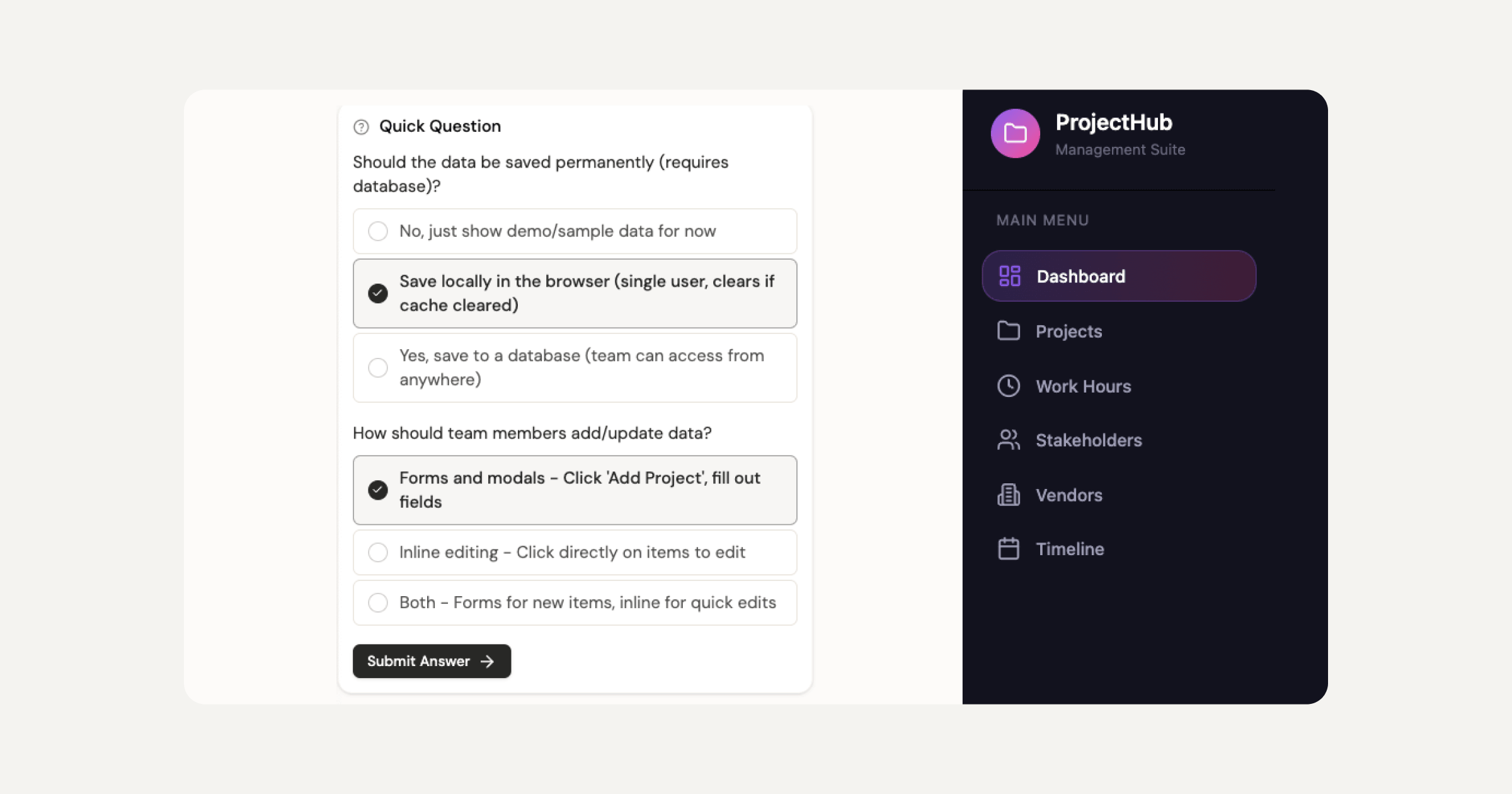
Virtual machines are part of the infrastructure that makes a platform like this possible, since cloud computing built on virtual machines is what runs the sites, apps, and tools that get created. WordPress and Elementor fit into this picture too: they extend what a creator can do once a site exists, adding content management and visual design on top of what a prompt-driven build already sets up.
For anyone who wants to go from an idea to a working, production-ready result without managing every layer of infrastructure by hand, that is where a platform like Sticklight comes in.
Frequently asked questions
What is a virtual machine used for?
A virtual machine is used to run an isolated operating system and its applications on shared hardware, which is common for cloud servers, software testing, and running older or specialized software.
How is a virtual machine different from a container?
A virtual machine includes a full guest operating system and is isolated at the hardware level, while a container shares the host machine’s operating system kernel and packages only the application and its dependencies.
Does a virtual machine need its own operating system?
Yes, a virtual machine runs a complete guest operating system on top of the hypervisor, separate from the operating system installed on the physical host.
Can one physical computer run multiple virtual machines at the same time?
Yes, a single physical server can host several virtual machines at once, each with its own share of the processor, memory, and storage, and each isolated from the others.
What is a hypervisor?
A hypervisor is the software layer that sits between physical hardware and virtual machines, dividing up hardware resources so each virtual machine can run as if it had its own dedicated computer.
Built by the Elementor team. Powered by Claude.
Let it glow.
