What Is a Web Server?

A web server is a program (and often the physical computer it runs on) that stores a website’s files and sends them to a visitor’s browser whenever that visitor asks for a page. Every time someone types a web address or clicks a link, a web server somewhere is doing the quiet work of finding the right files and handing them over.
You do not need to see this process to use the web, but understanding it makes the rest of website building much clearer. Once you know what a web server does, terms like hosting, requests, and responses stop feeling like jargon and start feeling like simple, logical steps.
What a Web Server Actually Does
At its core, a web server listens for incoming requests and responds with content, usually the HTML, images, and other files that make up a webpage. Think of it as an always-on assistant sitting next to a filing cabinet full of website files, ready to pull out the right one the moment someone asks.
Most web servers handle many requests at once, from many visitors, all day and all night. That is what lets a website stay reachable around the clock instead of only when someone happens to be watching it.
The word server hints at the role well. It serves up content on demand, much like a waiter bringing exactly what was ordered rather than a fixed set of dishes. Ask for the homepage and you get the homepage, ask for a contact page and you get that instead, all from the same underlying system.
How Request and Response Works
When you visit a website, your browser sends a request to a web server asking for a specific page. The server processes that request, locates the matching files, and sends back a response, usually the page itself along with any images or styling it needs to display correctly.
- Your browser sends a request for a specific web address.
- The web server receives the request and looks up the matching files.
- The server sends a response back with the page content.
- Your browser renders that response as the page you see.
Hardware vs Software: Two Meanings in One Term
The phrase web server can mean two related things. It can refer to the physical machine, a computer built to stay on and connected to the internet, or to the software running on that machine, the program that actually receives requests and sends responses. In everyday conversation, people usually mean the software, since that is the part doing the actual work of serving pages.
Both pieces matter together. The physical machine provides power, storage, and a network connection, while the software provides the logic for handling requests correctly. Without the hardware there is nothing to keep running, and without the software the hardware would just sit there with no way to answer a visitor’s request.
Web Server vs Web Hosting
A web server is the technology that delivers your site’s files. Web hosting is the service that provides and maintains the machine running that server on your behalf. Hosting typically bundles in storage, security, and ongoing maintenance, so you get the benefit of a web server without owning or configuring one directly. Put simply, hosting is the service, and the web server is the piece of technology doing the delivering inside it.
This distinction explains why hosting plans are often compared by speed, reliability, and support rather than by the server software itself. When you choose a hosting plan, you are really choosing how well someone else runs the web server on your behalf, so you can spend your time on the website rather than the machinery behind it.
Do You Need to Manage One Yourself?
For most people building a website today, the answer is no. Modern hosting providers and website platforms manage the web server for you, handling updates, security patches, and uptime behind the scenes. This lets you focus on content and design instead of server configuration, which used to be a required skill for anyone putting a site online.
Where Sticklight fits
Sticklight adds a layer on top of this whole picture. Instead of thinking about servers, hosting, or configuration at all, you describe what you want in a prompt, and Sticklight turns that into a production-ready website, app, dashboard, or tool that is already set up to serve visitors. The technical groundwork, including how requests and responses get handled, is taken care of, so what you build can go live without you needing to manage any of it directly.
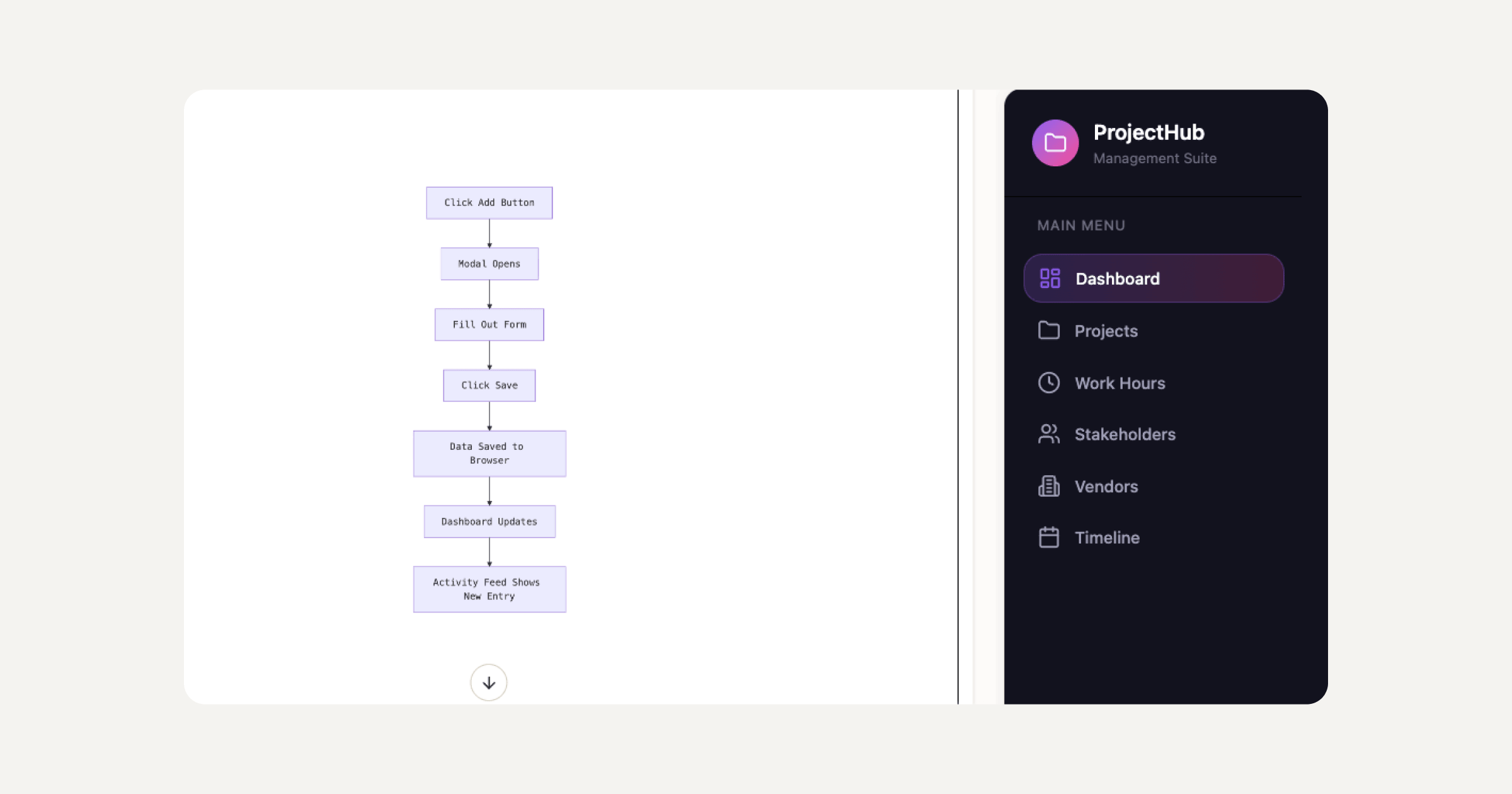
This works alongside the broader Elementor and WordPress world rather than apart from it. Elementor’s visual building tools and WordPress’s flexible foundation remain strong paths for hands-on design and content control, and Sticklight simply gives you another way in, one built for turning an idea into a working, servable site through a prompt.
Frequently asked questions
What is a web server?
A web server is software, and the computer it runs on, that stores website files and delivers them to visitors’ browsers. When someone visits a site, the web server sends back the pages they requested.
How does a web server work?
When you enter a web address, your browser sends a request to the web server. The server finds the right files and returns them, and your browser displays the page. This happens in a fraction of a second.
What is the difference between a web server and web hosting?
A web server is the technology that delivers websites, while web hosting is the service that gives your site space on a server. Hosting providers run and maintain web servers for you.
What are common web server types?
Common web server software handles requests, security, and traffic in different ways. Most people never manage a server directly because their hosting provider takes care of it.
Do I need to manage my own web server?
Most website owners do not. Hosting services run the web server for you, handling maintenance and security. Managing your own server gives more control but requires technical knowledge.
Built by the Elementor team. Powered by Claude.
Let it glow.