What Is a Session?

A web session is a set of interactions between a browser and a server that a site treats as connected, tied together by a unique session ID so the server can recognize the same visitor across multiple requests. Without a session, every page load would look like a brand new stranger showing up with no memory of what came before.
How a session starts
When a browser first connects to a site, the server usually creates a session and generates a session ID, a long random string that identifies that particular visit. The server sends this ID back to the browser, most often inside a cookie, and the browser stores it and includes it with every following request to that site. From that point on, the server can look up the session ID and match it to whatever it has saved about that visitor.
Cookies are the common delivery method because browsers attach them automatically, but the same idea works through a URL parameter or a header. What matters is not the transport, it is that both sides agree on one ID that points to the same session.
What a session stores
The session ID itself is just a key. The actual data lives on the server, in memory, in a database, or in a cache, and it is often called server state because the server is the one keeping track of it. A session might hold:
- Whether a visitor is logged in, and which account
- Items placed in a shopping cart
- Form progress on a multi-step page
- Temporary preferences, like a selected language
Keeping this data server-side, rather than sending all of it back and forth with every page, keeps requests small and keeps sensitive details off the visitor’s device.
Session vs request
A request is a single ask, one browser call for one page, one image, or one API response. A session is the container that groups many requests together over time. Every request in a session carries the same session ID, so the server can pull up the right context each time, but each request is still handled and answered on its own. Think of a request as one sentence and a session as the whole conversation it belongs to.
Common uses for sessions
Sessions show up anywhere a site needs to remember something about a specific visitor between page loads. Login state is the clearest example: once someone signs in, the server marks their session as authenticated, and every later page checks that session instead of asking for a password again. Shopping carts work the same way, holding the items a visitor has added until they check out or leave. Sessions also carry things like partially filled forms, recently viewed items, and one-time notices that should only appear once.
How long a session lasts
Sessions do not stay open forever. Most are set to expire after a period of inactivity, often somewhere between twenty minutes and a few hours, so the server can free up the resources tied to visitors who have wandered off. Some sessions end the moment a browser tab closes, since session cookies are often written to disappear with the browser itself. Others use a longer-lived cookie so a visitor stays signed in across days or weeks. Whichever timeout a site chooses is a balance between convenience and security: shorter sessions reduce the window an unattended, logged-in browser could be misused, while longer ones mean fewer repeat logins.
Ideas that once felt like too much effort for an uncertain payoff actually get built now, and I’ve stopped letting good ones quietly die on me.
Itamar Haim
Where Sticklight fits
Sticklight is the vibe-coding platform for professional web creators: describe what you want in a prompt, and it produces production-ready websites, apps, dashboards, CMS setups, and tools. Session handling, like login state and cart data, is exactly the kind of underlying mechanic Sticklight can generate and wire up correctly as part of a project, so creators can focus on what the product does rather than how visitors get recognized between page loads.
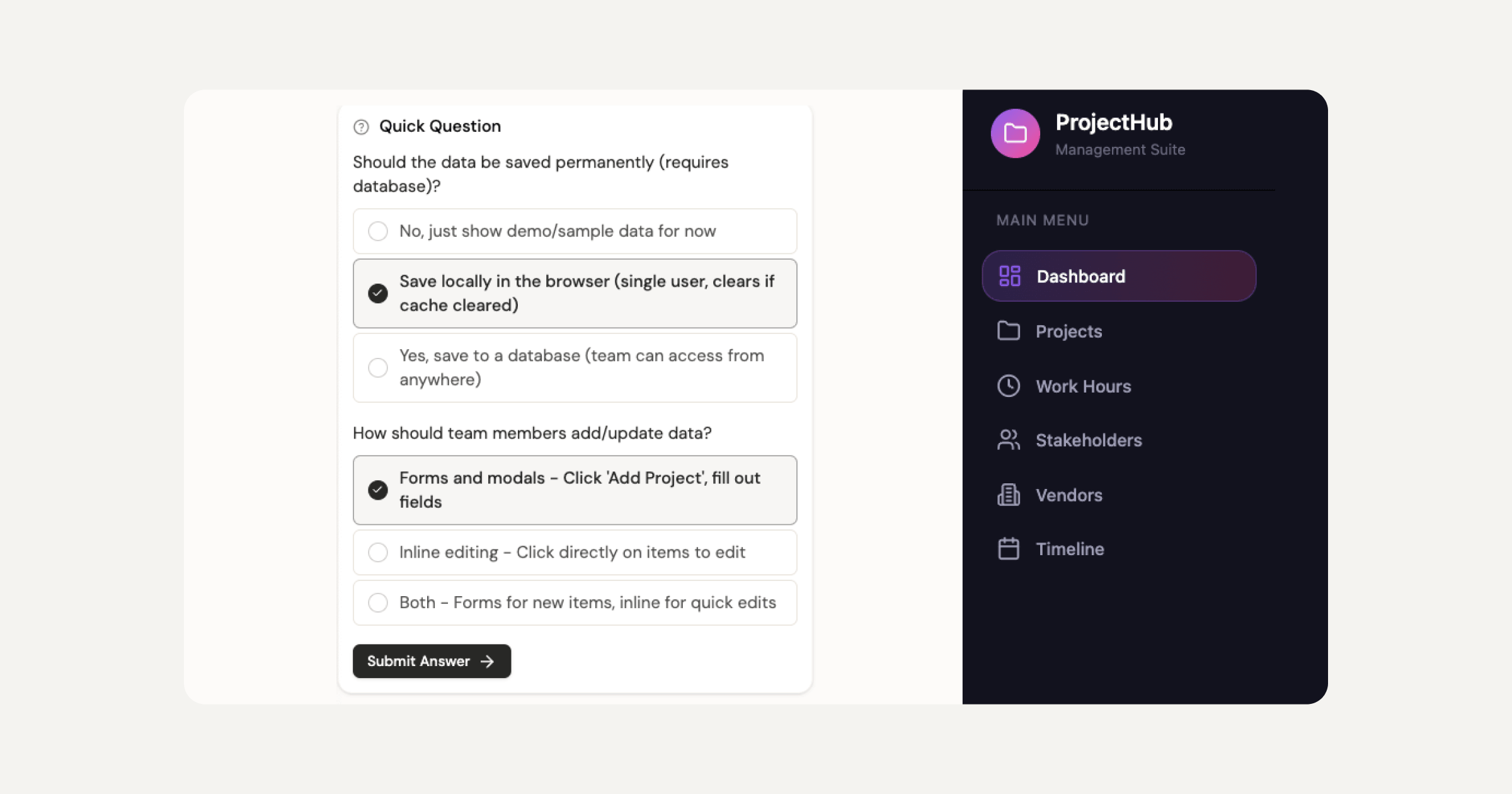
That scope is part of why Sticklight goes beyond building websites toward being a full-stack creator platform. WordPress and Elementor remain useful for what they do well, building and managing content-driven sites, and Sticklight extends what creators can reach from there into fuller applications and custom tools built from a single prompt.
Frequently asked questions
What is a web session in simple terms?
A web session is a way for a server to recognize the same visitor across several page loads, using a unique session ID instead of treating every request as a stranger.
How does a server know which session a visitor belongs to?
The server usually sends a session ID to the browser inside a cookie, and the browser includes that same ID with each later request so the server can match it back to the stored session data.
What is the difference between a session and a cookie?
A cookie is a small piece of data stored in the browser, often used to carry the session ID. The session itself, along with the actual data it holds, lives on the server.
Why do sessions expire?
Sessions expire after a period of inactivity or when a browser closes so the server can free up resources and reduce the risk of an unattended, signed-in browser being misused.
Can a website work without sessions?
Yes, but it could not remember login state, cart contents, or form progress between page loads, since there would be no shared ID connecting one request to the next.
Built by the Elementor team. Powered by Claude.
Let it glow.