What Is a Wireframe?

A wireframe is a simple, low-detail blueprint of a web page or app screen that shows where each element sits before any visual design begins. It maps out structure only, things like headers, navigation menus, content blocks, buttons, and forms, laid out as plain boxes, lines, and labels rather than finished graphics, colors, or copy.
Designers and product teams use wireframes early in a project to plan layout and user flow without getting distracted by color, imagery, or typography. Because wireframes strip away decoration, they make it easy to spot problems with spacing, hierarchy, and navigation before a single line of code or a finished visual design gets built, saving time and rework later.
Why wireframes matter.
Wireframes matter because they separate structural decisions from visual ones. A team can agree on where a search bar, a call-to-action button, or a pricing table belongs before anyone debates color palettes, fonts, or imagery, which keeps early conversations focused on function and prevents costly redesigns once real content and finished styling arrive later.
Wireframes also give everyone on a project a shared reference point. Developers can see roughly what needs to be built, stakeholders can react to the overall layout, and content writers learn how much space they have for headlines or product copy. That shared understanding reduces back-and-forth later in the process and keeps everyone aligned early, which matters most on projects with several people weighing in on the same screens.
Low fidelity vs high fidelity.
Low-fidelity wireframes are rough on purpose: gray boxes, placeholder text, and simple lines that communicate layout only, often sketched on paper or built in minutes with a basic tool. High-fidelity wireframes add more detail, tighter spacing, real content, and clearer hierarchy, though they still avoid full color, finished imagery, or polished typography that belongs to later stages.
- Boxes standing in for images or content blocks
- Simple lines standing in for text
- Plain labels marking buttons and navigation
Most teams start low fidelity to move fast and test ideas cheaply before committing to a direction. Once the layout feels right, they move to higher fidelity to refine details and prepare for handoff. Choosing the right level depends on the project stage and how much testing is needed with users or stakeholders beforehand.
Wireframe vs mockup vs prototype.
A wireframe shows structure only, with no color or finished imagery. A mockup adds visual design on top of that structure: colors, fonts, imagery, and branding, but it stays static, more like a finished-looking picture of a screen than something you can use. A prototype goes further still, linking screens together so people can click through and experience how a product actually flows.
These three stages usually happen in order on a healthy project. Teams wireframe first to lock down layout, build mockups next to establish look and feel, then prototype to test interactions before real development starts. Skipping a stage often means expensive rework later, once real content or user testing reveals a structural problem nobody caught early.
How to make a wireframe.
Start by listing the content and actions each screen needs, then sketch rough boxes for the header, navigation, main content area, and footer before worrying about exact placement or spacing. Paper and a pen work fine for early passes, since the goal at this stage is speed and clarity, not polish, and changing a rough sketch costs nothing compared to changing finished code.
Once the rough layout feels right, move to a digital tool to tidy up spacing, labels, and hierarchy, then share it with teammates or clients for feedback. Iterate on the structure until navigation and content flow make sense, since fixing a layout problem at this stage is far cheaper than fixing it after a page or screen has already been built. A short review round with real users can also catch confusion before it turns into a bigger design fix later on.
Typing fast and accurately isn’t the skill that matters anymore, thinking clearly is, because a fuzzy sentence gets me a fuzzy result every single time.
Itamar Haim
Where Sticklight fits
Wireframing answers the question of what goes where on a page or screen. Sticklight, the vibe-coding platform built by the Elementor team and powered by Claude, picks up from there: describe a layout or an idea in plain language, and Sticklight turns that description into a production-ready website or app, skipping much of the manual build work that traditionally follows a wireframe.
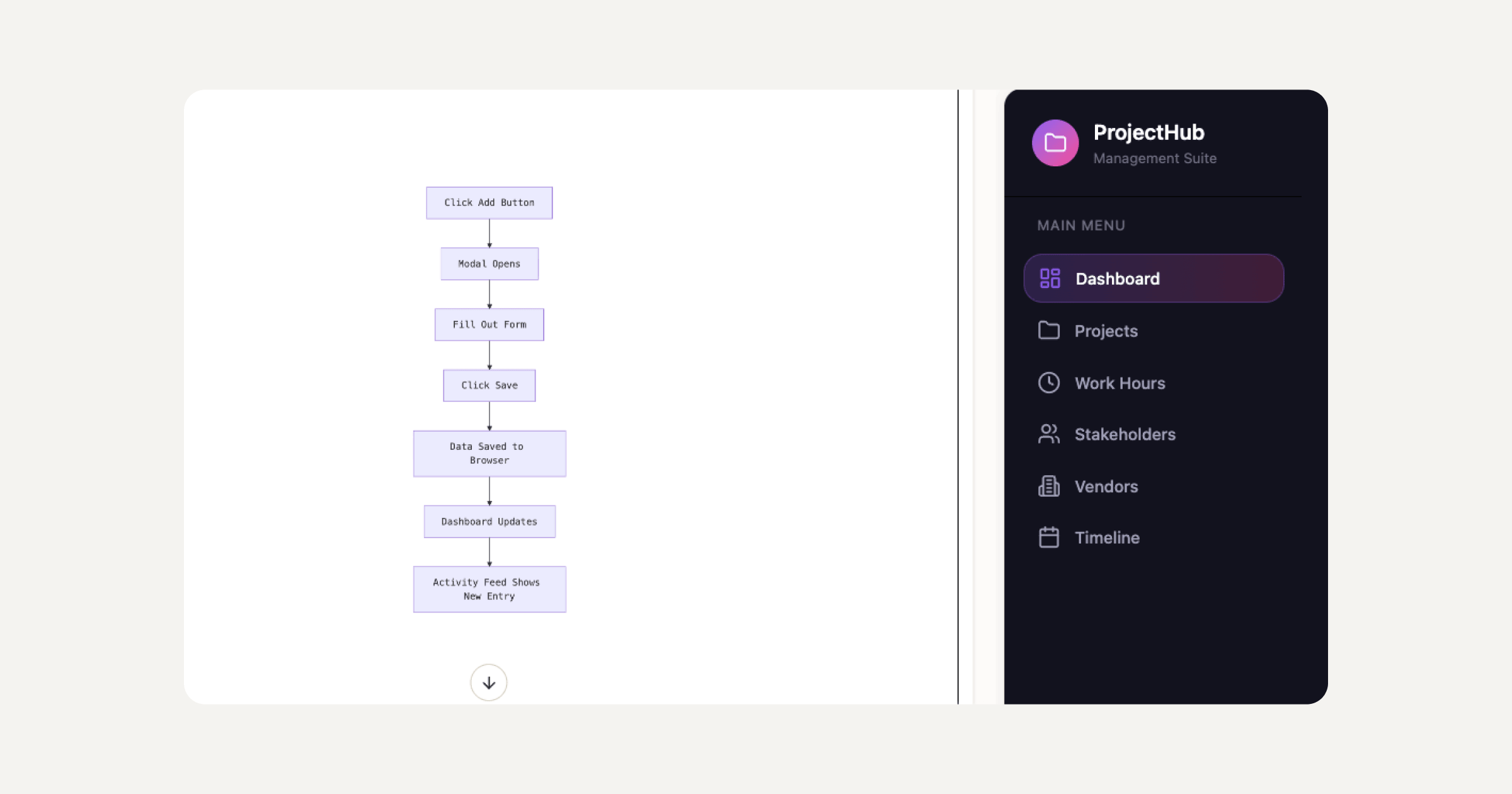
Because Sticklight generates real, working code rather than static images, it complements wireframing instead of replacing it: sketch the structure first to think through layout, then let Sticklight build it out. The output can also work alongside existing Elementor and WordPress projects, for teams who already build on that stack.
Frequently asked questions
What is a wireframe?
A wireframe is a simple, low-detail sketch of a web page or app screen that shows the layout and where each element goes. It focuses on structure and content, not colors or final visuals.
Why are wireframes important?
Wireframes let you plan layout and flow early, before investing in design or code. They make it easier to get feedback, spot problems, and agree on structure with a team or client.
What is the difference between low and high fidelity wireframes?
Low-fidelity wireframes are rough sketches with placeholders and no styling. High-fidelity wireframes are more detailed and closer to the final design, sometimes including real content and spacing.
What is the difference between a wireframe and a mockup?
A wireframe shows structure and layout in a plain form, while a mockup adds visual design like colors, fonts, and images. A prototype goes further by making the design interactive.
How do I make a wireframe?
You can sketch a wireframe on paper or use a design tool to arrange boxes for headers, content, and buttons. Start with the main goal of the page, then place elements in order of importance.
Built by the Elementor team. Powered by Claude.
Let it glow.