

What Is Affiliate Marketing?

Affiliate marketing is a performance-based arrangement where one business, the merchant, pays another party, the affiliate, a commission for driving sales, leads, or traffic through a unique tracked link. The affiliate does not need to make or ship the product. Their job is to recommend it to an audience and get credit when that recommendation leads to the action the merchant wants, usually a purchase.
At its core, affiliate marketing is a referral system with a paper trail. Instead of a vague thanks for sending customers our way, every referral is tied to a specific link or code that records who sent the visitor and what that visitor did next.
How Affiliate Marketing Works
The mechanics stay fairly consistent across industries. A merchant sets up an affiliate program, often through a dedicated platform or network, and defines the commission structure: a flat fee per sale, a percentage of revenue, or a fixed amount per lead. Affiliates join the program and receive a unique tracking link or code tied to their account.
When someone clicks that link, a cookie or similar tracking method records the referral for a set window of time. If the visitor completes the qualifying action, such as a purchase or signup, inside that window, the sale is attributed to the affiliate and the commission is logged. Most programs pay out on a regular schedule, after accounting for returns or cancellations.
The Key Parts of an Affiliate Program
A handful of components show up in nearly every affiliate setup:
- The merchant, who owns the product or service and funds the commissions.
- The affiliate, who promotes the offer through content, email, or social channels.
- The tracking link or code, which connects a specific referral to a specific affiliate.
- The commission structure, spelling out how and when affiliates get paid.
- The affiliate network or platform, which many programs rely on to handle tracking, reporting, and payouts in one place.
Some programs run in-house with custom tracking, while others use established networks that connect many merchants with many affiliates under one roof.
Common Uses and Where to Start
Affiliate marketing shows up across a wide range of formats: review and comparison articles, coupon and deal sites, email newsletters, video tutorials, podcast mentions, and social posts with a link in the description. Software companies, online retailers, subscription services, and course creators all use some version of it to extend their reach through other people’s audiences rather than relying on paid ads alone.
For someone starting on the affiliate side, the practical first steps are choosing a topic or audience you already understand, finding merchants or networks with programs relevant to that audience, and building content, whether that is articles, videos, or newsletters, that naturally recommends products people already need. For a business considering the merchant side, the starting point is settling on a commission structure that is sustainable, then choosing a tracking method or platform before recruiting affiliates.
Affiliate marketing matters because it lets a merchant pay mainly for results, and it lets affiliates earn from an audience without building or supporting a product themselves. Done well, it is a low-friction way for both sides to grow: the merchant reaches audiences it might never find on its own, and the affiliate earns from recommendations it would likely make anyway.
Where Sticklight fits
Sticklight is a vibe-coding platform for professional web creators. Describe what you need in plain language, and Sticklight turns that prompt into a production-ready result, going beyond a single web page into apps, dashboards, content systems, and other tools. That range matters for anyone building the infrastructure an affiliate program depends on, such as a tracking dashboard, a landing page for a specific offer, or an internal reporting view that pulls commission data into one place.
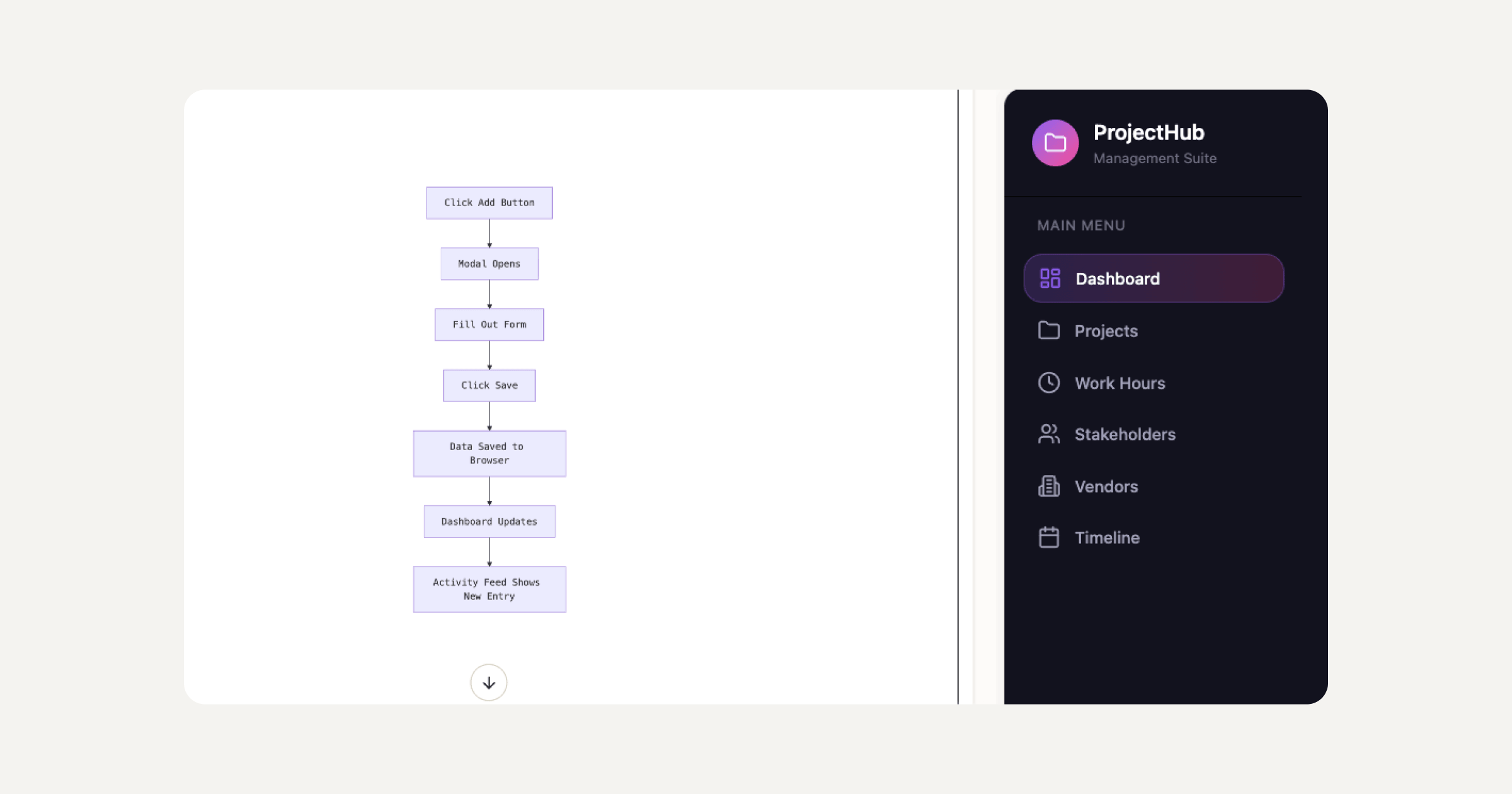
WordPress and Elementor remain solid, proven ways to build and extend a site, including the review pages and content hubs that affiliate marketing is often built on. Sticklight is built by the Elementor team, so it complements that world rather than replacing it, giving creators another path from idea to working product when the need goes beyond a typical page.
Frequently asked questions
What is affiliate marketing in simple terms?
Affiliate marketing is an arrangement where a business pays another party a commission for driving sales, leads, or traffic through a unique tracked link. The affiliate recommends a product or service, and the merchant pays only when that recommendation leads to a qualifying action.
How does an affiliate actually get paid?
When a visitor clicks the affiliate’s tracking link, a cookie or similar method records the referral for a set window of time. If the visitor completes the action the merchant defines, such as a purchase, inside that window, the sale is attributed to the affiliate and the commission is paid out on the program’s regular schedule.
Do I need my own product to become an affiliate?
No. The affiliate does not make, stock, or ship anything. Their role is to promote a merchant’s product or service to their audience and earn a commission when that promotion results in a sale or lead.
What is the difference between an affiliate and an affiliate network?
An affiliate is an individual or business that promotes offers and earns commissions. An affiliate network is a platform that connects many merchants with many affiliates, handling tracking, reporting, and payouts in one shared system rather than each merchant building that infrastructure separately.
Where should a beginner start with affiliate marketing?
A good starting point is picking a topic or audience you already understand, finding merchants or networks with relevant programs, and creating content such as articles, videos, or newsletters that naturally recommends products your audience already needs.
Built by the Elementor team. Powered by Claude.
Let it glow.
