

What Is an IDE?

An IDE, short for integrated development environment, is a single application that bundles the tools programmers need to write, test, and fix code. Instead of switching between separate programs for editing, running, and debugging, you do all of it from one window.
The idea behind an IDE is convenience through integration. Every piece talks to the others, so a change in your code can trigger a test, and a crash can point you straight back to the line that caused it.
The core parts of an IDE
Most IDEs share a common set of building blocks, even if the layout differs from one tool to the next.
- A code editor with syntax highlighting, autocomplete, and formatting help.
- A debugger that lets you pause a running program, inspect variables, and step through code line by line.
- Build and run tools that compile or launch your project without leaving the app.
- A file and project explorer for navigating folders, dependencies, and version history.
- An extension or plugin system for adding language support, themes, and integrations.
Together these parts remove the friction of jumping between a text editor, a terminal, and a separate debugging tool.
The editor and the debugger
The editor is the part you spend most of your time in. A good IDE editor does more than display text: it flags syntax errors as you type, suggests function names, and can jump straight to a variable’s definition anywhere in the project. Some editors also show inline documentation, so you rarely need to leave the file to check how a function works.
Bugs are part of writing software, and the debugger is the tool built to find them faster. It lets you set breakpoints, pause execution at a specific line, and watch how values change as the program runs. Without an integrated debugger, developers have to guess at problems using scattered print statements, which takes longer and hides context.
Build, run, and extension tools
Build tools handle the mechanical work of turning source code into something that actually runs, whether that means compiling, bundling, or packaging. Run tools then launch that output with a single click or keystroke, often inside the same window as the code. Extensions round out the picture: they add support for new languages, connect to version control, or bring in linters that catch style issues before they become bugs.
How an IDE differs from a plain code editor
A plain code editor, like a basic text editor with syntax highlighting, focuses on writing and reading code. It is lightweight and starts fast, but it usually needs separate tools for running, testing, or debugging a project. An IDE folds those extra steps into the same interface, trading some startup speed for a more complete workflow. Many developers use a lightweight editor for quick edits and reach for a full IDE when working on a larger project with multiple files, dependencies, and test suites.
Who uses an IDE
Software developers of every experience level use IDEs, from students learning their first language to engineers building production systems. Web developers use them to write and preview front-end and back-end code side by side. Data scientists rely on them to run notebooks and scripts against live data. Teams building mobile apps, games, or embedded systems each favor IDEs suited to their platform, since many include device simulators or hardware-specific debugging built in.
What changed for me isn’t the ambition of my projects, it’s how quickly I can test whether an ambitious idea actually holds up once it’s real.
Itamar Haim
Where Sticklight fits
Sticklight is a vibe-coding platform for professional web creators. Instead of typing code line by line inside an IDE, you describe what you want in a prompt, and Sticklight turns that into a production-ready website, app, dashboard, CMS, or tool. It is built for people who want to move from idea to working software without managing an editor, debugger, and build pipeline themselves.
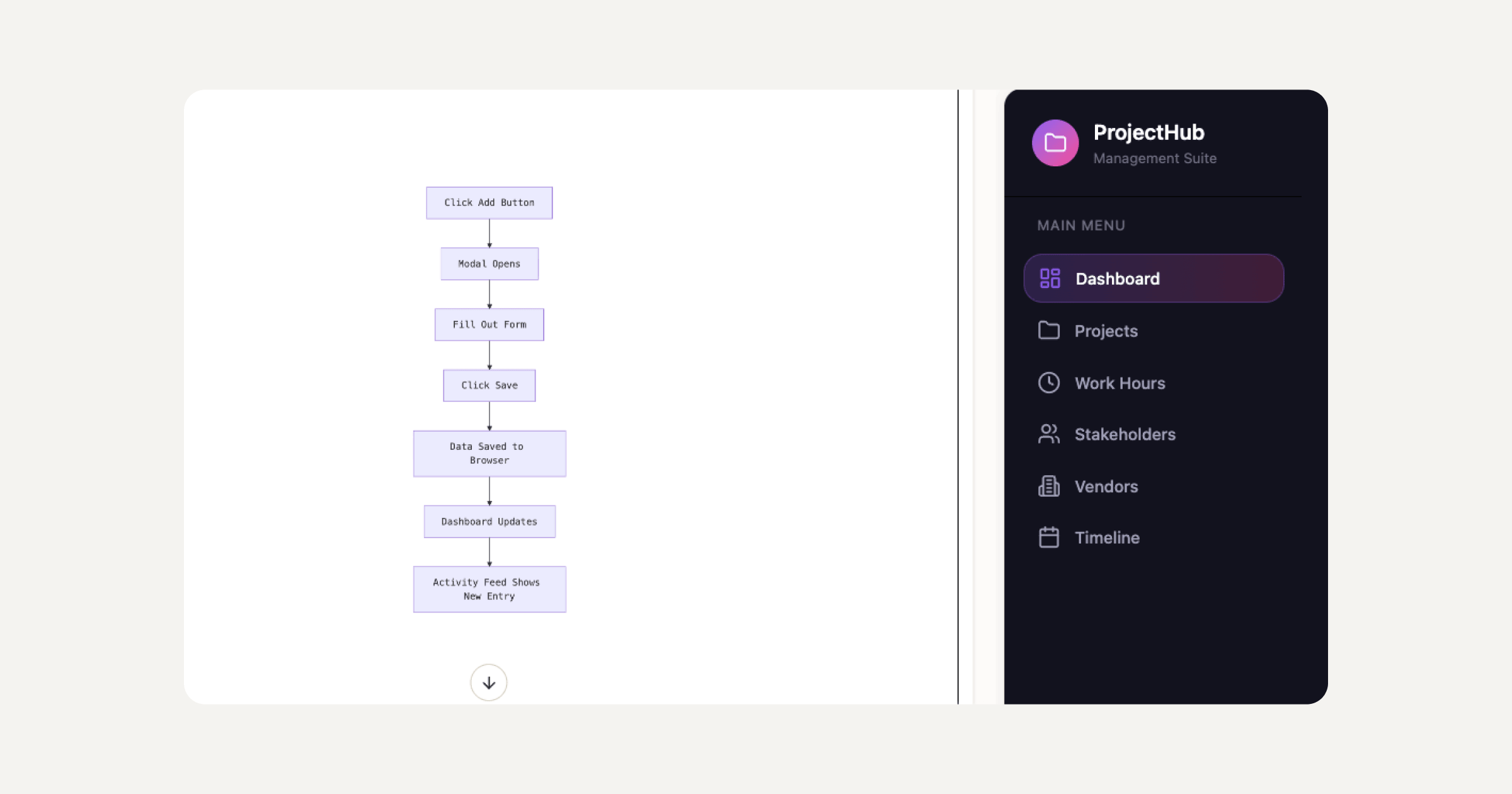
That makes Sticklight less a replacement for a traditional IDE and more a different starting point for building software, one that goes beyond websites toward full-stack creation. WordPress and Elementor remain part of that picture too, extending what you can publish and customize once a project takes shape.
Frequently asked questions
What does IDE stand for?
IDE stands for integrated development environment, a single application that combines a code editor, debugger, and build tools in one place.
Do I need an IDE to write code?
No, a plain text editor is enough to write code, but an IDE saves time by adding built-in debugging, project navigation, and one-click builds.
What is the difference between an IDE and a code editor?
A code editor focuses on writing and reading text, while an IDE adds integrated tools such as a debugger and build system so you can run and troubleshoot code without switching apps.
Can beginners use an IDE?
Yes, many IDEs are designed with beginners in mind, offering autocomplete, error highlighting, and guided debugging that make it easier to learn a new language.
What are examples of IDE features besides editing?
Common IDE features include a debugger for stepping through code, build and run tools, a project file explorer, and an extension system for adding new languages or integrations.
Built by the Elementor team. Powered by Claude.
Let it glow.
