What Is Cloud Computing?

Cloud computing is the delivery of computing power, storage, and software over the internet instead of running everything on a local computer or a physical server down the hall. Rather than buying and maintaining your own hardware, you rent access to computing resources hosted in secure data centers, paying only for what you use.
For anyone new to the idea, think of it like electricity. Nobody builds a private power plant to run a lamp, they plug into a shared grid and pay for what they draw. Cloud computing works the same way for digital resources, and it now quietly powers everything from email and streaming to the websites and apps millions of people rely on every day.
How cloud computing works
Cloud providers run large networks of servers inside data centers and divide that raw computing power into resources anyone can rent on demand. When you use a cloud service, your request travels over the internet to one of these facilities, gets processed, and the result returns to your device within moments. You never see the physical machines, you just get storage, processing power, or a working application, with no equipment of your own to buy or maintain.
Because everything lives on shared, remote infrastructure, the same file, app, or account stays reachable from a laptop, a phone, or a tablet without any manual syncing. Log in from a different device and your work is simply there, already up to date, since the storage and processing never actually lived on any single machine in the first place.
The three main service models
Cloud services are usually grouped into three models based on how much you manage yourself versus how much the provider handles for you. Each one hands over a different layer of the technology stack, from raw hardware you configure by hand to a finished product ready to open in a browser and start using right away.
- IaaS (Infrastructure as a Service): rented servers, storage, and networking that you configure and manage.
- PaaS (Platform as a Service): a ready-made environment for building and running applications, without managing servers.
- SaaS (Software as a Service): complete software delivered over the internet, ready to use with no setup.
Key benefits of cloud computing
Cloud computing removes the upfront cost of buying servers and the ongoing work of maintaining them, so teams launch projects faster and put budget toward growth instead of hardware. Resources scale up automatically during busy periods and scale back down when demand fades, keeping costs aligned with real use. Providers also handle patching, backups, and uptime, giving even small teams the kind of reliability that once required a dedicated IT department.
It also changes how people work together. A team spread across several cities can edit the same document, review the same codebase, or launch the same app without shipping hard drives or waiting on a single office server. Anyone with the right permissions gets access from wherever they happen to be, which makes distributed teams and remote work practical rather than a workaround.
Staying secure and reliable
Reputable cloud providers invest heavily in physical security, encryption, and redundant systems that duplicate data across multiple locations, so a single hardware failure rarely causes real disruption. If one server or even one entire facility goes down, traffic quietly shifts to another, and most users never notice anything changed.
That said, security in the cloud is shared. The provider secures the underlying infrastructure, while the person or team using the service is still responsible for strong passwords, sensible access controls, and keeping their own application configured properly. Understanding that split helps new users avoid the most common cloud mistakes.
Everyday examples of cloud computing
Cloud computing already sits behind most of the tools people touch daily. Streaming a show, storing photos that sync across every device, sending email, and editing a shared document all run on cloud infrastructure rather than one local machine. For web creators specifically, cloud hosting is what keeps a website online, absorbs traffic spikes, and pushes updates live instantly without anyone touching a physical server.
Where Sticklight fits
Sticklight is a vibe-coding platform by the Elementor team that turns a written prompt into a production-ready app, hosted in the cloud with the back end already wired up. Instead of assembling servers, databases, and hosting separately, a creator describes what they want to build and Sticklight generates it as a working application, with the underlying cloud infrastructure handled automatically.
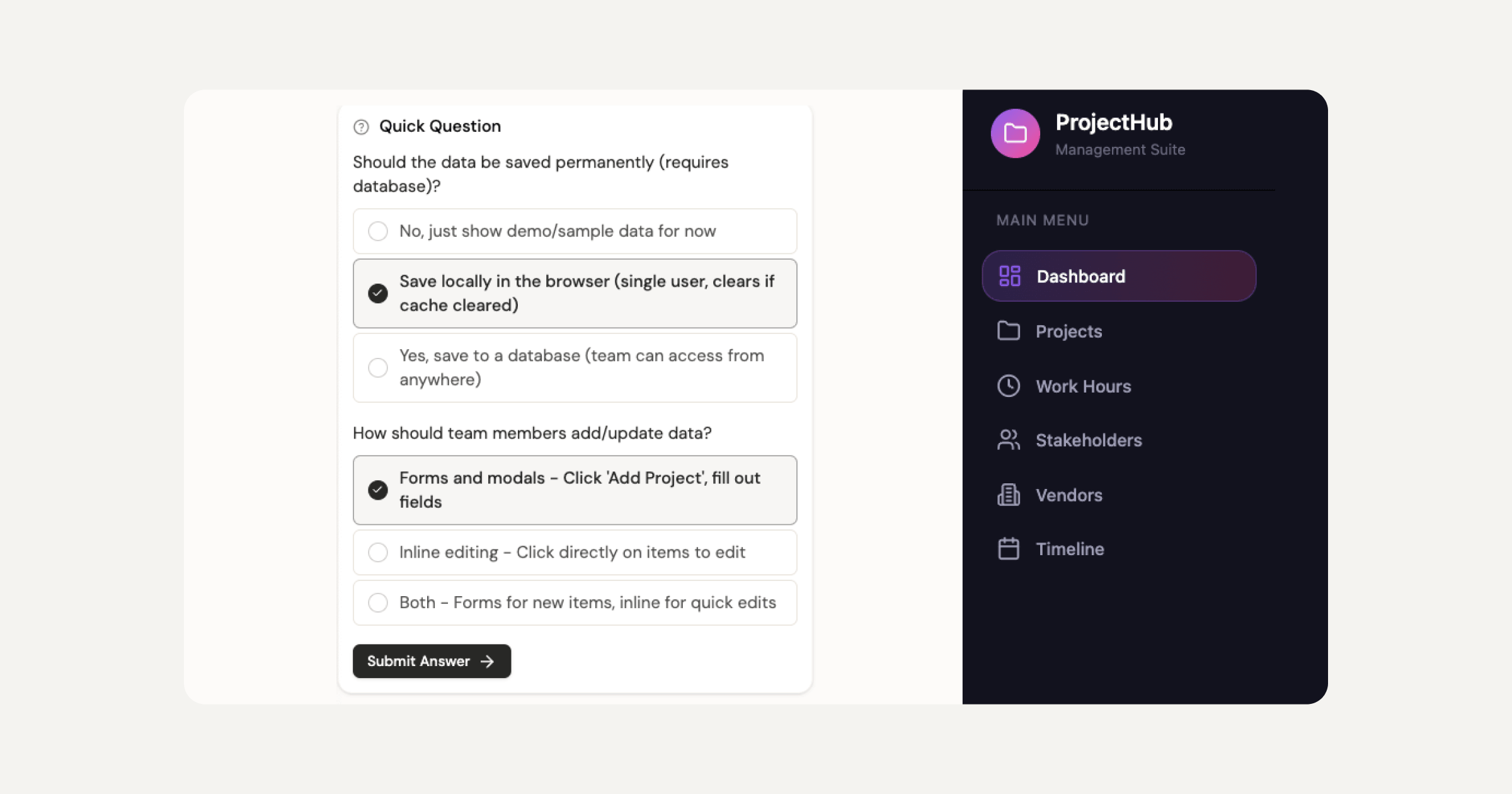
This sits naturally alongside Elementor and WordPress, adding a fast path from idea to functioning app for creators who want to build beyond a website. The cloud pieces, hosting, scaling, and the connected back end, come built in, so the focus stays on the product itself rather than the infrastructure behind it.
Frequently asked questions
What is cloud computing?
Cloud computing is the delivery of computing services like servers, storage, databases, and software over the internet. Instead of owning hardware, you rent what you need from a provider and access it online.
How does cloud computing work?
A cloud provider runs data centers full of servers and offers access to computing power, storage, and services over the internet. You use and pay for only the resources you need, scaling up or down as demand changes.
What are the types of cloud computing?
The three main service models are infrastructure as a service (IaaS), platform as a service (PaaS), and software as a service (SaaS). Deployment types include public, private, and hybrid clouds.
What are the benefits of cloud computing?
The cloud lowers upfront cost, scales on demand, supports remote access, and shifts maintenance to the provider, so teams can build and grow without managing physical hardware.
What are examples of cloud computing?
Streaming services, email, file storage, online documents, and most web apps run on the cloud. Businesses also use it for hosting, databases, and running software at scale.
Built by the Elementor team. Powered by Claude.
Let it glow.