
What Is CSS?

CSS stands for Cascading Style Sheets. It is the language that controls how a web page looks, colors, fonts, spacing, and layout, separate from the HTML that defines what content is on the page.
Without CSS, a web page still works, but it renders as plain black text on a white background, top to bottom, with no visual design. CSS is what turns that raw structure into something that looks intentional.
How CSS actually works
A CSS rule has two parts: a selector, which points at the HTML elements you want to style, and a declaration block, which lists the properties and values to apply. For example, p { color: blue; } selects every paragraph and sets its text color to blue.
The browser reads your HTML, then applies matching CSS rules to each element. When more than one rule could apply to the same element, the browser follows a set of priority rules, source order, specificity, and inheritance, to decide which value wins. That layered decision-making is where the word cascading comes from.
Selectors, properties, and values
Selectors can target elements in several ways:
- By tag name, like
porh2, which matches every element of that type - By class, like
.card, which matches any element carrying that class attribute - By ID, like
#header, which matches a single unique element - By relationship, such as targeting only the links inside a specific list
Once a selector matches, properties describe what to change, color, font size, margin, and values describe how, red, 16 pixels, 2rem. Learning a small set of common properties covers most everyday styling needs.
How CSS relates to HTML and JavaScript
HTML, CSS, and JavaScript divide the work of building a web page into three roles. HTML defines the structure and content: what exists on the page and in what order. CSS defines the presentation: how that structure looks. JavaScript adds behavior: what changes in response to user actions.
A useful way to picture it is a house. HTML is the frame and rooms, CSS is the paint, flooring, and furniture arrangement, and JavaScript is the wiring that makes the lights respond to a switch. Each layer can exist without the others, but a polished page usually needs all three working together.
Core ideas worth knowing early
A few concepts come up constantly once you start writing CSS. The box model treats every element as a rectangular box with content, padding, a border, and margin, and understanding that box is the key to controlling spacing. Colors can be set by name, hex code, or functions like rgb, while fonts control typeface, size, and weight. Layout properties, including flexbox and grid, arrange elements in rows, columns, or more complex grids. Responsive design uses techniques like relative units and media queries so a page adapts cleanly to different screen sizes, from a phone to a wide desktop monitor.
Why CSS matters
CSS is what makes a website usable and readable rather than just technically present. Clear typography, consistent spacing, and thoughtful color choices reduce the effort it takes someone to read and navigate a page. Good CSS also supports accessibility, sufficient color contrast and readable text sizes help people with different vision needs, and it lets one HTML structure adapt to phones, tablets, and desktops without rewriting the content.
Where to start as a beginner
Start small. Open a plain HTML file, link a stylesheet, and change the color and font of a single paragraph to see the connection between your CSS and the rendered page. From there, practice the box model by adjusting padding and margin on a box, then try flexbox to line up a few elements in a row. Once those feel natural, move on to media queries to see your layout respond as you resize the browser window.
Where Sticklight fits
Sticklight is the vibe-coding platform for professional web creators. You describe what you want in plain language, and Sticklight turns that prompt into a production-ready website, app, dashboard, CMS, or tool, handling the underlying CSS and layout decisions for you. It is built for creators who want to move beyond hand-writing individual style rules toward becoming a full-stack creator.
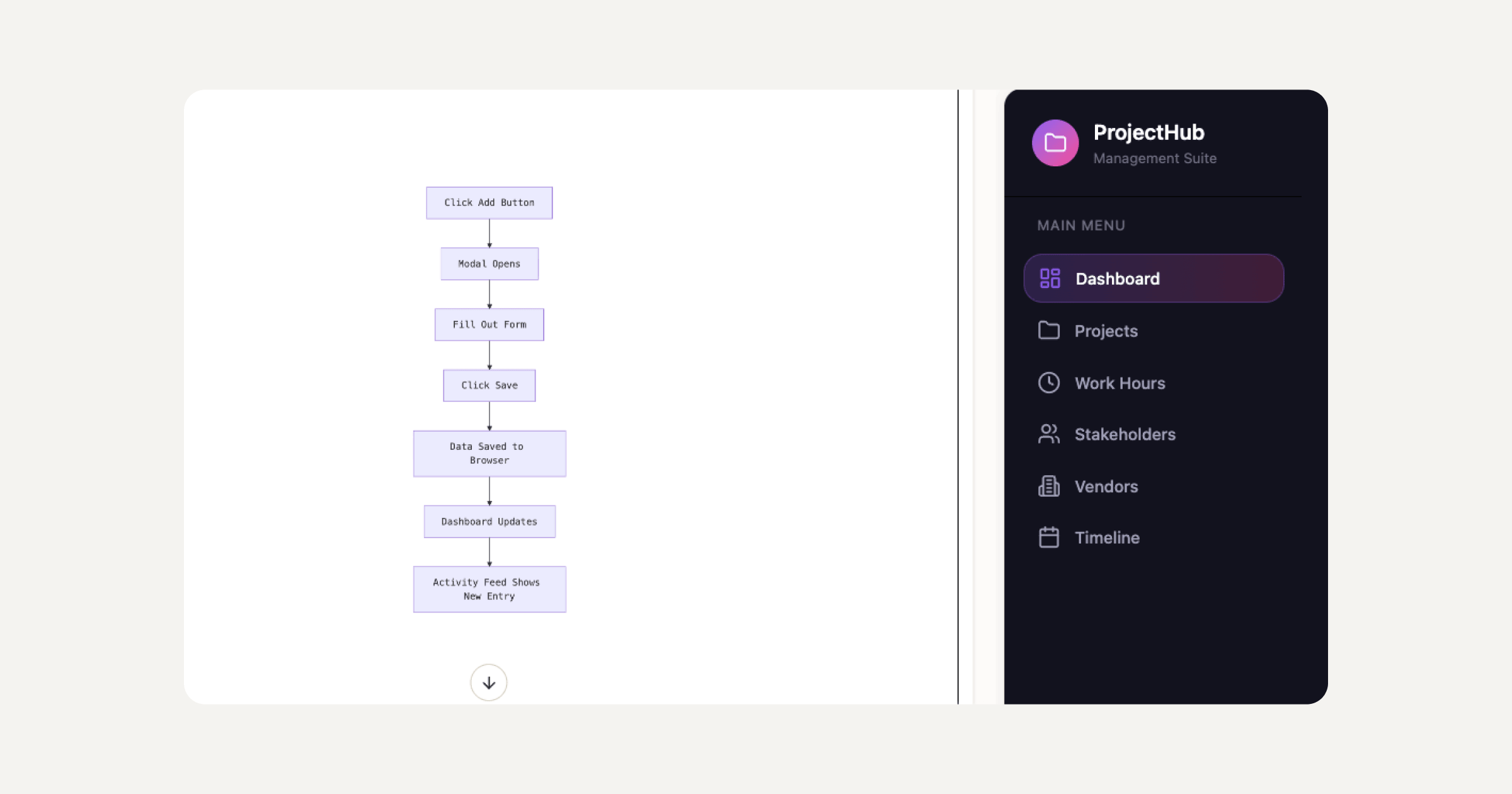
WordPress and Elementor remain excellent ways to extend what you build. They add content management, visual page editing, and a wide plugin ecosystem on top of the sites Sticklight helps you create, giving you more ways to grow a project once it exists.
Frequently asked questions
What is CSS in simple terms?
CSS is the language that controls how a web page looks, colors, fonts, spacing, and layout, while HTML handles the content and structure underneath it.
Is CSS a programming language?
No. CSS is a style sheet language, not a programming language. It describes how elements should look rather than performing calculations or logic the way JavaScript does.
What is the box model in CSS?
The box model describes every element as a rectangle made of content, padding, a border, and margin. Understanding these four layers is the key to controlling spacing on a page.
What is the difference between a class and an ID selector?
A class selector, written with a dot, can match many elements on a page, while an ID selector, written with a hash, is meant to match exactly one unique element.
Do I need to learn CSS if I use page builders?
A basic understanding helps even with visual page builders, since it explains why elements space and align the way they do, though many builders let you achieve a finished look without writing CSS by hand.
Built by the Elementor team. Powered by Claude.
Let it glow.
