
What Is llms.txt?

llms.txt is a simple text file you place at the root of your website to help AI tools understand and use your content. It is written in Markdown, it lives at a fixed address like yoursite.com/llms.txt, and it gives large language models a clean, curated map of your most important pages instead of asking them to wade through your full HTML.
The idea was proposed in September 2024 by Jeremy Howard of Answer.AI, and it has spread quickly among documentation sites, developer tools, and content-heavy brands. This guide explains what llms.txt is, the problem it solves, what the file looks like, how it differs from robots.txt and sitemaps, and how much it actually matters in 2026.
What is llms.txt?
llms.txt is a proposed standard for a Markdown file that describes a website to large language models. It sits at the root of your domain, and it lists the pages you most want an AI assistant to read, each with a short description, so a model can find the right content fast.
Think of it as a guided index written for machines that read Markdown well but have limited context to spend. Rather than crawling every page, an AI tool can load your llms.txt, see the structure of your site in one place, and follow the links that matter for the question it is answering.
What problem does llms.txt solve?
A normal web page is built for browsers and people. It carries navigation menus, cookie banners, scripts, ads, and layout markup that mean nothing to a language model and cost it context space. When an AI tool tries to read a full HTML page, most of what it loads is noise.
llms.txt trims that down. It offers a plain-Markdown summary of your site and pointers to clean versions of your key pages, so a model spends its limited context on the content you care about. For documentation, product pages, and reference material, that can make the difference between an AI tool citing you correctly and skipping you.
What does an llms.txt file look like?
The format is deliberately simple. It starts with an H1 that names the site or project, an optional blockquote summary, and then H2 sections that group links. Each link is a normal Markdown link with a short note after it. A typical file reads like this.
# Acme Docs
> Acme is a payments API for developers.

## Docs
- [Quick start](https://acme.com/quickstart.md): a one-page setup tutorial
- [API reference](https://acme.com/api.md): full endpoint reference
- [Authentication](https://acme.com/auth.md): how to obtain and use API keys

## Optional
- [Changelog](https://acme.com/changelog.md): release notes
The “Optional” section is a convention for links a model can skip when context is tight. Everything else is treated as core. Because it is just Markdown, you can write an llms.txt by hand in a few minutes or generate it from your existing content.
llms.txt vs llms-full.txt
There are two related files in the proposal. llms.txt is the curated index, a short map with links. llms-full.txt is the expanded version that inlines the actual content of those pages into one long Markdown document, so a model can ingest everything in a single request without following links.
Use llms.txt when you want a lightweight pointer file, and add llms-full.txt when you want to hand an AI tool your complete documentation in one file. Many documentation platforms now generate both automatically.
How llms.txt differs from robots.txt and sitemap.xml
These three files sit at your site root and are easy to confuse, but they do different jobs.
| File | Audience | Purpose |
|---|---|---|
| robots.txt | Crawlers | Tells bots which paths they may or may not crawl. |
| sitemap.xml | Search engines | Lists every URL so search engines can discover them. |
| llms.txt | AI language models | Curates and describes key content for models to read and cite. |
robots.txt controls access, sitemap.xml aids discovery of all pages, and llms.txt curates and explains the pages that matter most for AI answers. They complement each other rather than replace one another.
Does llms.txt actually work in 2026?
Here is the honest picture. Adoption on the publishing side has grown fast, and many documentation and developer sites now ship an llms.txt, often generated automatically by their platform. On the consumption side, support is mixed. Some AI tools and crawlers read it, while major search engines have said they do not currently rely on it, and it is not a Google ranking factor.
So treat llms.txt as a low-cost, forward-looking step rather than a guaranteed traffic win. It is cheap to add, it does no harm, and it positions your content for AI tools that do use it today and others that may adopt it later. Just do not expect it to move search rankings on its own.
How to create an llms.txt file
Start by listing the pages you most want an AI tool to read, such as your core docs, key product pages, and reference material. Write a one-line description for each, group them under clear H2 headings, and add an H1 with your site name and a short summary at the top.
Save the file as llms.txt, place it at the root of your domain so it resolves at yoursite.com/llms.txt, and keep it updated as your content changes. If you have a lot of documentation, consider generating an llms-full.txt alongside it. The whole file should stay readable, since its value comes from being concise.
Where Sticklight fits
llms.txt is about making the content you already have easier for AI tools to read. Sticklight is about building that content in the first place. With Sticklight you can turn a prompt into a production-ready website, app, or dashboard, publish it, and own the output, which means you are free to add an llms.txt at the root and make your site AI-ready from day one.
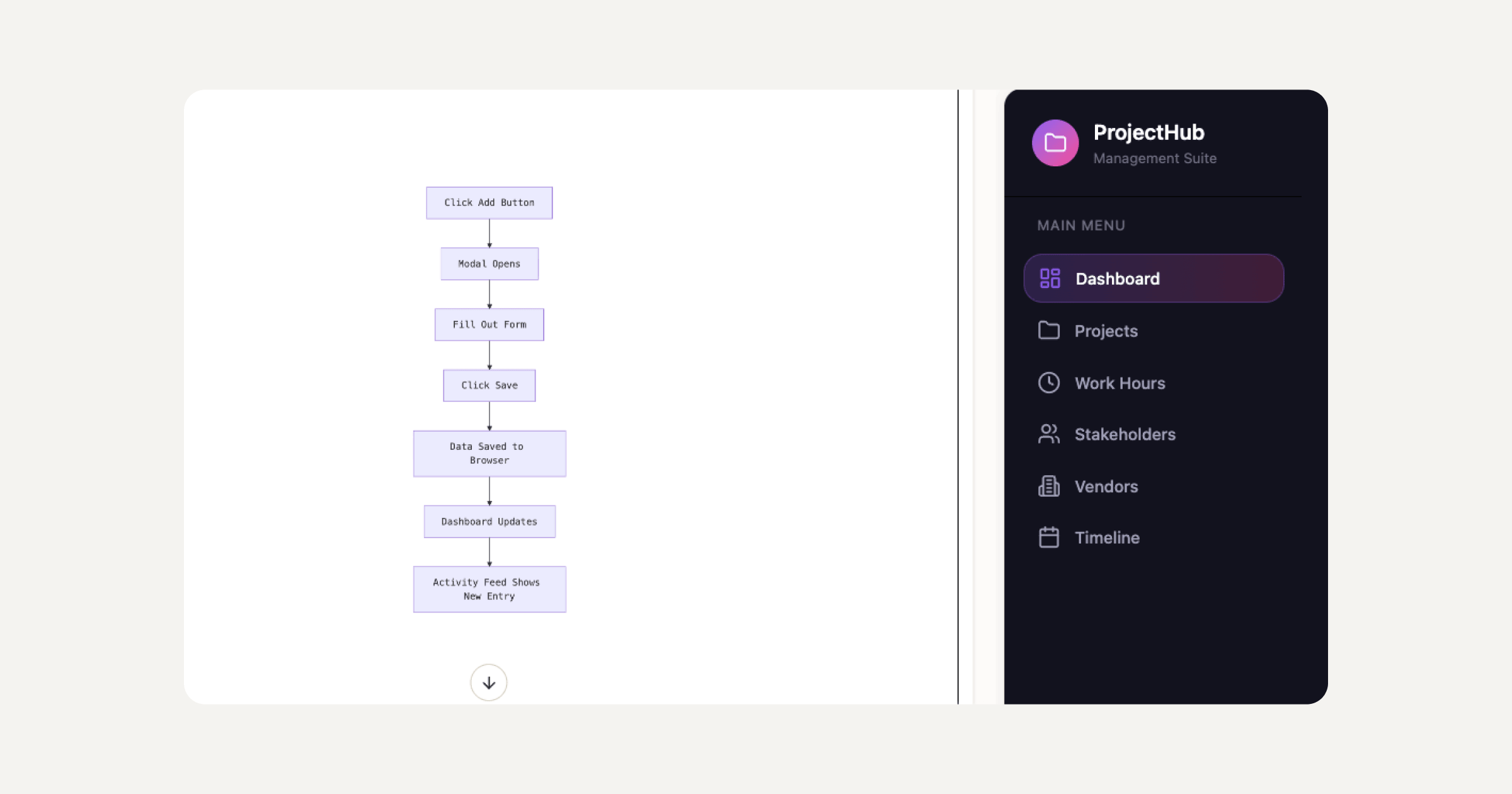
And if you already run on WordPress or Elementor, Sticklight fits alongside your existing site, so you can grow your content and your AI readiness without rebuilding what you already have.
Frequently asked questions
What is llms.txt?
llms.txt is a proposed standard for a Markdown file placed at the root of a website that gives large language models a curated map of the site’s most important pages, each with a short description, so AI tools can read and cite the content more easily.
Where do I put the llms.txt file?
At the root of your domain, so it resolves at yoursite.com/llms.txt. That fixed location is how AI tools know where to look for it.
Is llms.txt the same as robots.txt?
No. robots.txt tells crawlers which paths they may access, while llms.txt curates and describes key content for AI language models. They serve different audiences and can be used together.
Does Google use llms.txt?
As of 2026, major search engines including Google have said they do not currently rely on llms.txt, and it is not a ranking factor. Some AI tools do read it, so it is a low-cost, forward-looking addition rather than an SEO win.
What is the difference between llms.txt and llms-full.txt?
llms.txt is a short, curated index with links, while llms-full.txt inlines the actual content of those pages into one long Markdown file so a model can ingest everything in a single request.
Built by the Elementor team. Powered by Claude.
Let it glow.
