What Is Off-Page SEO?

Off-page SEO is the set of actions taken outside your own website to improve how search engines and other sites perceive its authority, relevance, and trustworthiness. Where on-page SEO covers what you do to a specific page, such as content, headings, and internal links, off-page SEO covers everything that happens elsewhere: other sites linking to you, mentions of your brand across the web, and signals that tell search engines your site is a credible source worth ranking.
The core idea is simple. Search engines cannot fully judge a site’s reputation just by reading its own pages, so they look at how the rest of the internet treats it. A well-written page still needs outside validation to rank competitively for anything beyond a narrow, low-competition term.
How off-page SEO works
Search engines treat outside signals as a vote of confidence. When another site links to yours, that link acts as a signal that your content is useful enough to reference. Not all signals carry equal weight: a link from an established, topically relevant site generally counts for more than one from an unrelated or low-quality page. Search engines also weigh the context surrounding a link, the reputation of the linking site, and how naturally the link fits the content around it.
Beyond links, engines increasingly factor in brand mentions that do not include a clickable link at all, along with signals like reviews, social discussion, and how consistently a business’s name and details appear across the web. None of these signals decides rankings on its own, but together they build a picture of whether a site is established or unproven.
Key parts of off-page SEO
Off-page SEO covers several distinct activities, and most strategies combine more than one:
- Link building: earning links from other websites through outreach, guest content, partnerships, or naturally citable resources
- Digital PR: getting a brand covered, quoted, or referenced in press, industry publications, or online media
- Brand mentions: unlinked references to a business name or product that still contribute to recognition
- Social signals: shares, discussion, and engagement that point back to a site or its content
- Local signals: reviews, citations, and directory listings that build trust for location-based searches
- Community engagement: getting relevant voices in a niche to reference or recommend a site
Each of these plays a different role. Link building tends to have the most direct effect on rankings, while brand mentions and social signals contribute more to overall reputation and discoverability.
Why off-page SEO matters
Two pages can be written and structured almost identically, yet the one with stronger outside validation is more likely to rank first, especially for competitive terms. Off-page signals also help search engines tell established sites apart from newer or lower-quality ones making similar claims. For a growing site, this outside validation is often the difference between ranking on the first page and sitting several pages down, where most searchers never look.
Off-page work also compounds over time. A strong backlink profile and a consistent brand presence keep contributing to visibility long after the campaign that produced them has ended, which makes it a long-term investment rather than a one-time task.
Common uses and where to start
Off-page SEO is used any time a site wants to rank for a topic where strong on-page content alone is not enough to compete, which in practice covers most commercial and informational keywords with real search demand. It is also used to establish trust for new sites, to support local business visibility, and to rebuild authority after a rebrand or domain change.
For a site starting from scratch, a practical first step is auditing what natural links and mentions already exist, then identifying a small number of relevant, credible sites or publications where a genuine connection could lead to a link or mention. Consistent business information across directories, paired with a clear reason for other sites to reference the content, such as original data or a genuinely useful resource, tends to work better than broad outreach on its own.
Where Sticklight fits
Once off-page work starts paying off and traffic grows, the site receiving that traffic needs to hold up: fast pages, working forms, and features that match what the business actually needs. Sticklight is a vibe-coding platform for professional web creators, built for exactly that stage. You describe what you want in a prompt, and it turns that into a production-ready website, app, dashboard, CMS, or tool, going beyond a single page to whatever the project calls for.
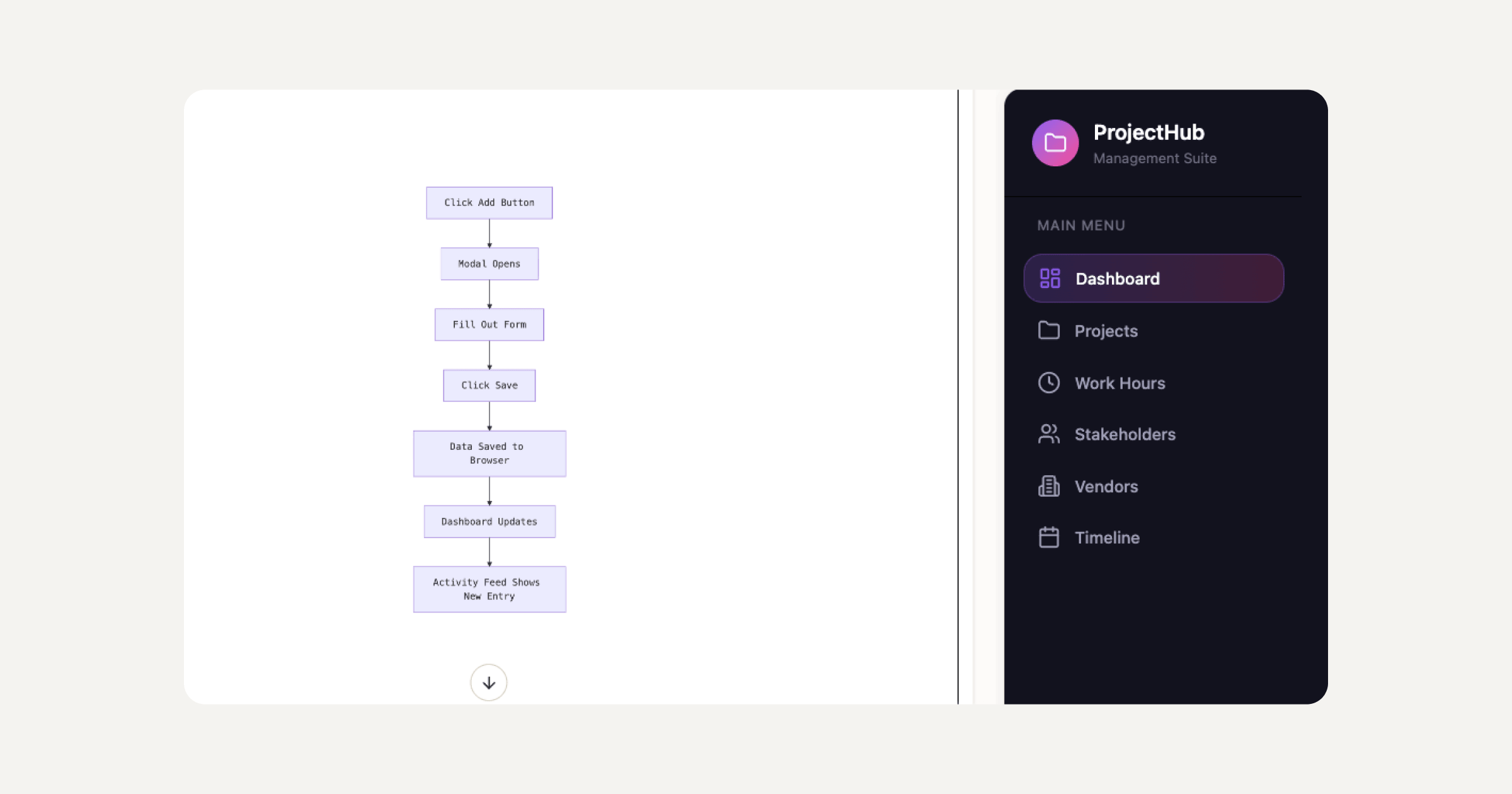
Sticklight extends what you can already do with WordPress and Elementor, both solid, proven ways to build and grow a site. When a project needs custom functionality, a dashboard, or a tool beyond what a page builder alone covers, Sticklight gives you a way to prompt that into existence without writing every line by hand.
Frequently asked questions
What is the difference between on-page and off-page SEO?
On-page SEO covers what you control directly on your own site, such as content, headings, and internal links, while off-page SEO covers signals that come from outside your site, such as other sites linking to you or mentioning your brand.
Do backlinks still matter for off-page SEO?
Yes. Links from other websites remain one of the strongest off-page signals, though search engines weigh the relevance and reputation of the linking site more heavily than the raw number of links.
How long does off-page SEO take to show results?
Off-page SEO tends to build gradually rather than produce immediate ranking jumps, since search engines need time to recognize and trust new links and mentions as part of a consistent pattern.
Can off-page SEO help a brand new website?
Yes, though a new site usually needs to earn its first outside signals gradually, since search engines have little history to judge it by and tend to trust established, relevant sources first.
What is the easiest place to start with off-page SEO?
A practical starting point is making sure business information is consistent across directories and identifying a few relevant, credible sites that would have a genuine reason to link to or mention the content.
Built by the Elementor team. Powered by Claude.
Let it glow.