What Is SEO?

SEO, short for search engine optimization, is the practice of shaping a website so that search engines like Google can find it, understand what it actually offers, and show it to people typing in relevant searches. In plain terms, it is how a site earns visibility in search results without paying for ads.
For anyone who runs or is building a website, SEO matters because most visitors start their journey with a search, not a direct visit to your homepage. Getting the basics right means your pages have a fair chance of showing up when someone searches for what you offer, rather than staying buried and unseen on page ten.
How Search Engines Work
Search engines send out automated programs called crawlers that follow links from page to page, reading content along the way. What they find gets stored in a massive index, then sorted using many signals when someone types a query. Your job as a site owner is to make that process easy: clear structure, readable text, sensible headings, and pages that actually answer what a visitor is looking for, without hidden barriers standing in the way.
The Building Blocks of SEO
SEO breaks down into a few connected areas that work together rather than alone, and most beginners find it easier once they see the main pieces laid out clearly, from what visitors see on the page to what happens quietly behind the scenes to make it all work:
- On-page SEO: titles, headings, and content that clearly match what a page is about
- Technical SEO: fast loading, mobile-friendly design, and a structure search engines can crawl without trouble
- Content: pages that genuinely answer a question or solve a problem, not just repeat a keyword
- Off-page SEO: signals from outside your site, like other trustworthy sites linking to yours
None of these pieces works well on its own. A fast, well-built site with no useful content will not rank, and great content on a site that barely loads or confuses visitors will struggle just as much.
Why Keywords Still Matter
Keywords are simply the words and phrases people type into a search bar when they are looking for something. Understanding them helps you write pages using the same language your visitors already use, instead of guessing at topics from the inside out. This does not mean stuffing a phrase into every sentence. It means picking a clear topic per page and covering it thoroughly, so the page naturally matches how real people phrase their questions.
SEO Is a Long-Term Habit
Unlike a paid ad that stops the moment you stop paying for it, SEO builds up gradually over time. New pages usually take weeks or months to settle into their ranking position, and results tend to compound as a site adds more useful, well-structured content. Patience matters here more than any single trick, and steady, honest effort tends to outlast shortcuts that fade or backfire.
That said, you do not need to master everything at once. Start with clear titles, honest descriptions, and pages built around real visitor questions, then keep refining steadily as you learn what your audience actually responds to over time, one page and one topic at a time.
Getting Started Without Overwhelm
If SEO feels like a lot at first, it helps to start small and specific. Pick one page, write a clear title that describes what it actually covers, and make sure the content answers the question a visitor likely came with. Check that the page loads quickly and looks right on a phone, since a large share of searches now happen on mobile devices rather than a desktop screen.
From there, expand outward: add a few more pages around related topics, link them to each other where it makes sense, and keep an eye on which pages visitors actually spend time reading. Small, consistent improvements tend to matter more than any single overhaul.
I catch myself choosing words more carefully now, because I’ve learned that vague adjectives like nice or clean rarely get me anywhere close to what I meant.
Itamar Haim
Where Sticklight fits
Sticklight turns a plain prompt into a production-ready website, complete with the structure, headings, and page layout that give search engines something clear to read from the very start. That head start on clean foundations means less rebuilding later and more time spent on the words and topics that actually help a page rank well over time.
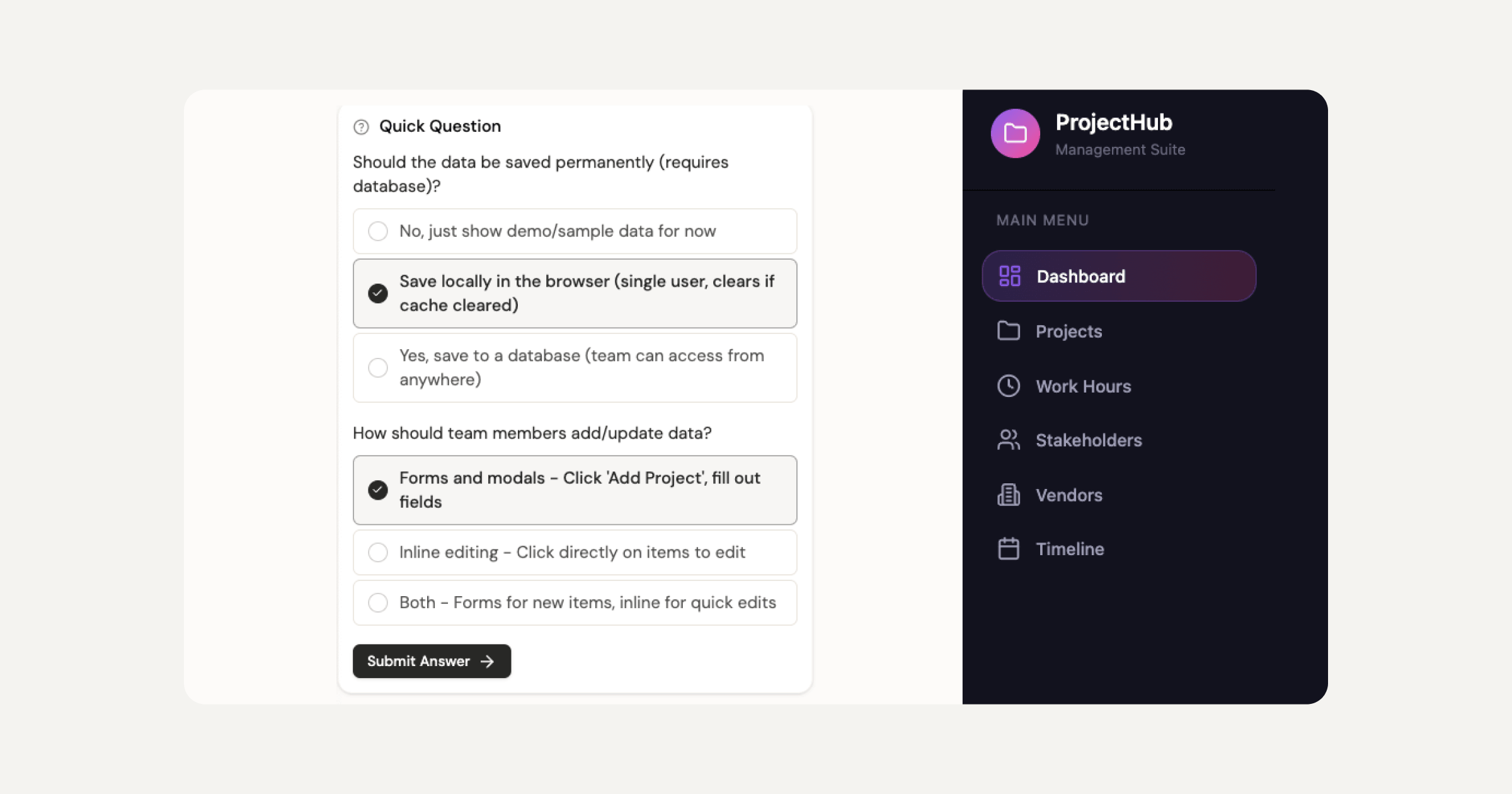
Elementor and WordPress remain a natural next step for that same site, refining pages, adding new content, and adjusting design as a business grows and its needs change. Sticklight complements that ecosystem by getting a site to a strong starting point, ready for the ongoing work that good SEO always involves.
Frequently asked questions
What is SEO?
SEO, or search engine optimization, is the practice of improving a website so it appears higher in search results for relevant queries. The goal is to help people find your content when they search on Google and other search engines.
How does SEO work?
Search engines crawl and index pages, then rank them based on signals like relevance, content quality, links, and page experience. SEO aligns your site with those signals so the right people can find it.
What are the main types of SEO?
SEO is usually grouped into on-page work like content and structure, technical work like crawling, speed, and indexing, and off-page work like links and reputation. Local SEO focuses on visibility in a specific area.
How long does SEO take to work?
SEO is a long-term effort. Some changes show results in weeks, while competitive terms can take months. Consistent, helpful content and a healthy site tend to compound over time.
Do I need to code to do SEO?
No. Many SEO basics, like clear titles, helpful content, and good structure, need no code. Modern tools can generate a solid technical foundation so you can focus on content.
Built by the Elementor team. Powered by Claude.
Let it glow.