
What Is Indexing in SEO?

Indexing in SEO is the process where a search engine crawls a page, reads its content, and stores it in a searchable database so it can appear in search results. If a page is not indexed, it cannot show up in results, no matter how well it is written or optimized. Indexing sits between crawling, where a search engine discovers that a page exists, and ranking, where it decides where that page appears for a given query.
Every major search engine, including Google and Bing, keeps its own index. Getting a page indexed is not automatic. A page can look perfectly normal to a visitor and still stay out of the index because of how it is built, linked, or configured.
How indexing works
Indexing starts after crawling. A search engine’s crawler visits a URL, downloads the page, and reads its HTML, text, images, and other signals. From there, the engine renders the page much like a browser would, so it can see content added by JavaScript as well as what sits in the raw HTML.
Once a page is processed, the search engine decides whether to store it. Not every crawled page gets indexed. Pages that are thin, duplicate, blocked by a noindex tag, or blocked in robots.txt are typically skipped. Pages that pass this check are added to the index, a large, distributed database that gets referenced every time someone runs a search.
What indexing actually stores
An indexed page is not saved as a screenshot or a full copy of the site. Search engines extract and store structured signals: the page’s text content, title tag, headings, internal and outbound links, structured data, and metadata such as the last-modified date.
These signals let a search engine match a page to relevant queries later, without re-crawling and re-reading it every time someone searches. That is part of why updating a page’s content can take time to show up in results. The engine has to re-crawl the page, then refresh its stored version in the index.
Why indexing matters for your site
Indexing is the gate that everything else in SEO passes through. Rankings, click-through rate, and organic traffic all depend on a page being in the index first.
- Unindexed pages generate no organic search visits, regardless of content quality.
- Indexing status affects how quickly new content and updates reach searchers.
- Large sites often deal with partial indexing, where only some pages make it in.
For a new site, or a new section of an existing site, checking that pages get indexed is one of the first and most basic SEO tasks, well before worrying about rankings.
Common reasons pages are not indexed
A handful of technical and content issues account for most indexing problems:
- A noindex meta tag or header left on a page by mistake.
- A robots.txt rule blocking the crawler from reaching the page.
- Thin or duplicate content that offers little unique value.
- Pages with no internal links pointing to them, making them hard to discover.
- Slow-loading or unstable pages that a crawler struggles to process.
Any one of these can keep a page out of the index even when nothing looks obviously wrong to a visitor.
How to check and improve indexing
The most direct way to check indexing status is a site’s search engine webmaster tools, such as Google Search Console, which reports whether a specific URL is indexed and explains why if it is not. A quick site search on Google can also give a rough read on which pages show up.
To improve indexing, start with an XML sitemap that lists the pages meant to be found, keep robots.txt rules narrow and intentional, add internal links so new pages are reachable, and remove or consolidate thin or duplicate content. These steps are foundational and worth revisiting any time a site adds a meaningful batch of new pages.
Where Sticklight fits
Sticklight is a vibe-coding platform for professional web creators. It turns a plain-language prompt into a production-ready website, app, dashboard, CMS, or tool, going beyond a single website toward becoming a full-stack creator.
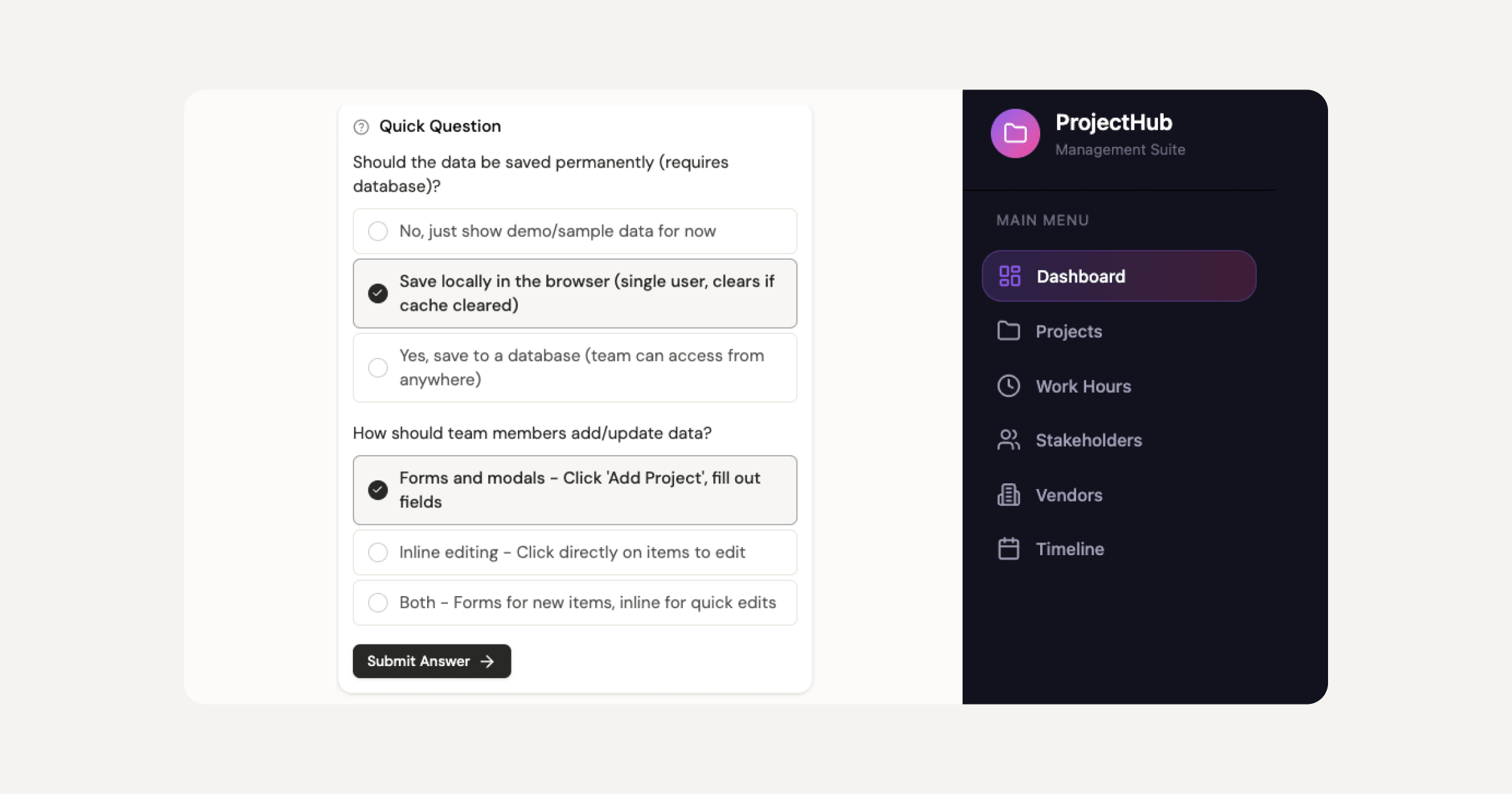
Because indexing depends on clean structure, working sitemaps, and pages that are actually reachable, the way a project gets built matters from the start. Sticklight is designed to generate that kind of structure from the outset, so new pages are set up to be found rather than patched after the fact.
WordPress and Elementor remain solid, proven ways to build and extend a site, and Sticklight is built to work alongside them, adding another path for teams that want to go from prompt to production quickly.
Frequently asked questions
What is the difference between crawling and indexing?
Crawling is when a search engine discovers a page and downloads it. Indexing is the next step, where that page’s content and signals get stored in the search engine’s database so it can be matched to search queries.
How long does it take for a new page to get indexed?
There is no fixed timeline. It depends on how easily the crawler can find the page, how often the site is crawled, and how the page is linked internally. Submitting a sitemap and linking to the page from existing content tends to speed things up.
Can a page be indexed but not ranked well?
Yes. Being indexed only means the page is stored and eligible to appear in results. Where it ranks for a given query depends on separate factors like relevance, content quality, and site authority.
How do I know if a page is indexed?
Search engine webmaster tools, such as Google Search Console, let you check the indexing status of a specific URL and see the reason if it is not indexed. A site search for the exact URL can also give a quick, rough check.
Why would a search engine choose not to index a page?
Common reasons include a noindex tag, a robots.txt rule blocking access, thin or duplicate content, or a page with no internal links pointing to it. Any of these can keep an otherwise normal-looking page out of the index.
Built by the Elementor team. Powered by Claude.
Let it glow.
