
What Is UI Design?

UI design, short for user interface design, is the craft of shaping the visual and interactive parts of a digital product, the layouts, buttons, colors, and typography that a person sees and touches on screen. It focuses on how a product looks and behaves in the exact moment someone uses it.
Good UI design makes a product feel clear and easy, so people can find what they need without stopping to think about the interface itself. It sits inside the wider field of digital product design, working alongside content, functionality, and user experience to turn an idea into something people can actually use with confidence.
What UI Design Really Means
At its core, UI design turns ideas and content into a screen someone can navigate. Designers choose how information is arranged, what a button looks like, how a form behaves, and how a screen responds to a tap or click. Every visual choice, from spacing to icon style, is part of the interface a person experiences directly.
UI design applies to websites, mobile apps, dashboards, and software tools alike. Whether someone is checking email, booking a flight, or adjusting settings in an app, the interface is what makes that action possible. When it works well, people barely notice it. When it does not, small frictions add up quickly.
UI Design vs UX Design
UI and UX design are closely linked but not the same thing. UX, short for user experience, covers the full journey a person takes, including research, structure, and how easy a product is to use from start to finish. UI design focuses on the visual layer of that journey, the specific screens, colors, and controls someone interacts with along the way.
Think of UX as the plan for how a product should work, and UI as the finished surface people actually see and touch. Strong products need both. A well planned experience can still frustrate people if the interface is cluttered, and a polished interface cannot fix a confusing structure underneath it.
The Core Elements of a UI
A handful of building blocks show up in almost every interface. Understanding them helps explain why some products feel effortless and others feel cluttered or confusing, even when they offer similar features.
- Layout: how content and controls are arranged on the screen, guiding the eye and establishing order.
- Color: used to signal meaning, draw attention, and reinforce a product’s identity.
- Typography: the fonts and text sizes that make content easy to read and scan.
- Buttons and controls: the interactive elements people tap or click to take action.
These elements do not work in isolation. Layout gives structure, color and typography guide attention and readability, and buttons tell people exactly where they can act. When they work together consistently, a product feels considered rather than assembled.
Principles of Good UI Design
A few principles guide most well designed interfaces. Consistency means similar actions look and behave the same way throughout a product, so people do not have to relearn patterns on every screen. Clarity means labels, icons, and instructions say exactly what they mean, without guesswork. Hierarchy means the most important content and actions stand out first.
Feedback matters too, letting people know their action registered, whether a button was pressed or a form was submitted. Accessibility should not be an afterthought, since text needs to stay readable and controls need to work across different devices and needs. None of these principles are complicated alone, but applying them consistently is what separates a rough interface from a dependable one.
Getting Started with UI Design
Anyone new to UI design can start by paying closer attention to the apps and websites they already use daily, noticing what feels smooth and what causes hesitation. Studying real examples builds intuition faster than memorizing rules. From there, simple exercises like redesigning a single screen or organizing a basic layout help turn that intuition into practical skill.
Free tools and beginner guides are widely available for practicing layout, color, and typography choices without any coding background. Building even a few small projects, like a simple form or a basic app screen, gives newcomers a concrete sense of how design decisions affect real usability, which matters more than any single tool or trend.
Where Sticklight fits
Sticklight fits naturally into this picture as a way to move from idea to interface faster. Built by the Elementor team and powered by Claude, it turns a plain language prompt into a production ready website, app, dashboard, or tool, complete with a clean, usable interface already in place, so newcomers can see good UI design in action from the first draft.
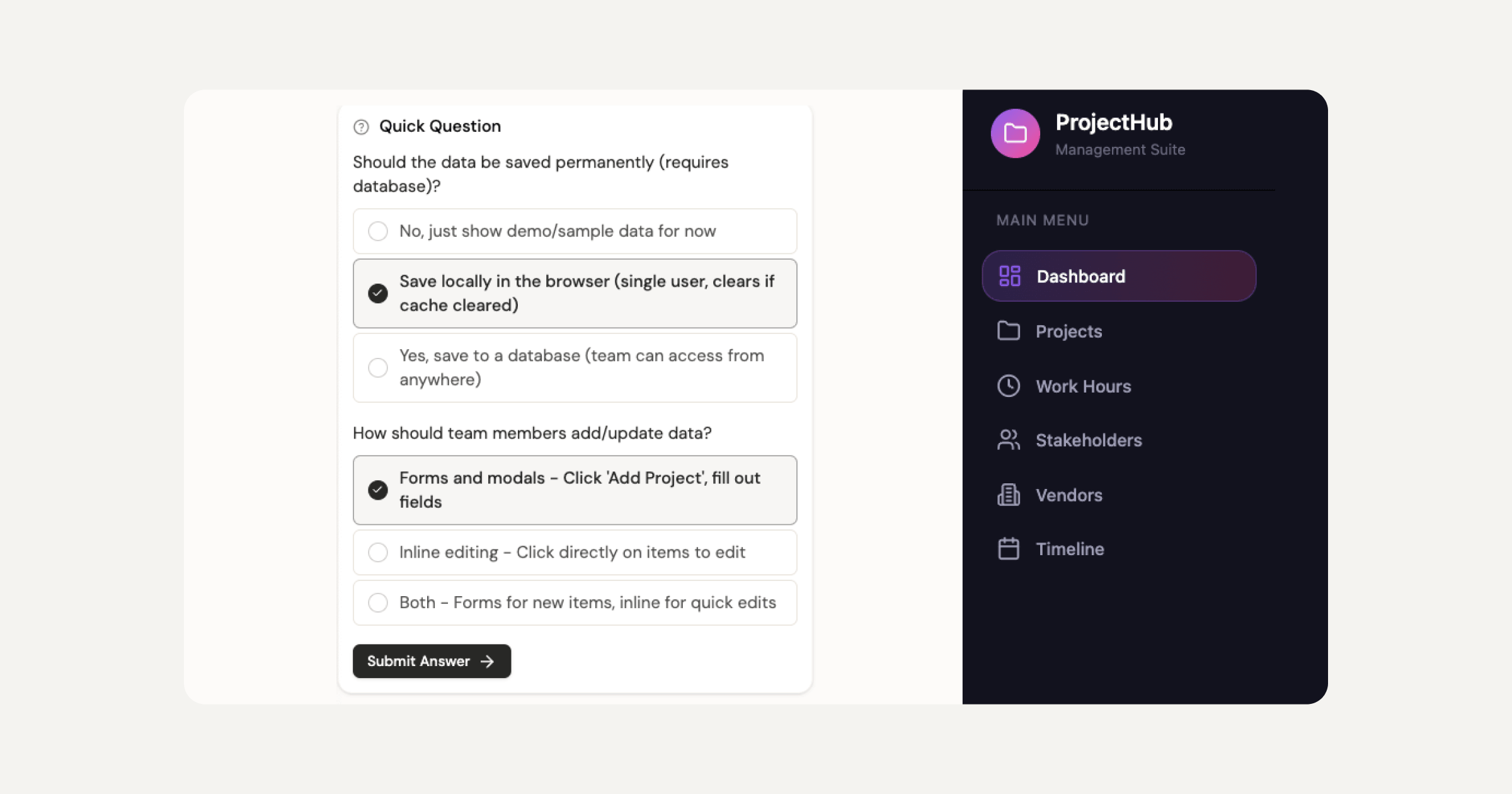
For anyone already building with Elementor or WordPress, Sticklight adds another way to start a project, useful when a prompt based first draft speeds things along. Elementor and WordPress remain solid choices for building and refining sites in detail, and Sticklight complements that work rather than replacing it.
Frequently asked questions
What is UI design?
UI design, or user interface design, is the practice of designing the screens, buttons, icons, and visual elements people interact with in an app or website. It focuses on how a product looks and how people act on it.
What is the difference between UI and UX design?
UI design covers the visual and interactive surface, like layout, color, and buttons. UX design covers the overall experience and how easy a product is to use. They work closely together but are distinct.
What are the main elements of UI design?
Common elements include layout, typography, color, buttons, forms, icons, and spacing. Good UI design arranges these clearly so people can understand and use a product without confusion.
What makes good UI design?
Good UI design is clear, consistent, and easy to navigate. It uses visual hierarchy to guide attention, keeps interactions predictable, and works well across devices and screen sizes.
Do I need to code to do UI design?
No. UI design focuses on how a product looks and behaves, often using design tools. Turning designs into a working product can involve code, though modern tools can generate much of it.
Built by the Elementor team. Powered by Claude.
Let it glow.
