What Is Version Control?

Version control is a system that tracks every change made to a set of files over time, so you can see what changed, who changed it, and step back to an earlier version whenever you need to. It turns a folder of files into a running history instead of a single snapshot that gets overwritten each time someone saves.
Most teams that write code rely on it daily, but the idea applies anywhere multiple versions of a file need to coexist safely, from a shared document to a design file to an entire codebase.
How version control works.
A version control system stores a project inside something called a repository, often shortened to repo. Instead of replacing a file each time it changes, the system records the change itself, called a commit, along with a message describing what was done and who did it. Over time, those commits stack up into a complete timeline of the project.
- A commit captures a specific set of changes at a specific moment.
- A branch lets someone work on a new idea without touching the main version.
- A merge brings changes from one branch back into another.
- A diff shows exactly what changed between two commits, line by line.
Because every commit is saved rather than overwritten, nothing is truly lost. If a change breaks something, the project can be rolled back to the last working commit in seconds.
The key parts of a version control system.
Git is the version control system most developers use today, and it introduced a few ideas that are now standard. A local repository lives on your own machine, so you can commit changes even without an internet connection. A remote repository, often hosted on a service like GitHub or GitLab, holds a shared copy that a team pushes changes to and pulls changes from. Branching makes it possible for several people to work on different features at the same time without stepping on each other’s work, and a pull request is the step where those branches get reviewed before merging into the main project.
None of these pieces require memorizing every command on day one. Most people start with committing and pushing, then pick up branching and merging once a project has more than one person touching it.
Why version control matters.
Without version control, tracking changes usually means renaming files, such as adding “final” or “final2” to a filename, which breaks down fast once more than one person is involved. Version control replaces that guesswork with a clear, searchable record. Anyone can see exactly when a bug was introduced by comparing commits, and anyone can undo a bad change without losing the good work that came after it.
It also makes teamwork possible at scale. Large projects with dozens or hundreds of contributors depend on version control to let people work in parallel, review each other’s changes before they merge, and keep a shared history that everyone can trust.
Common uses beyond writing code.
Software teams are the biggest users of version control, but the same idea shows up in other places. Writers use it to track drafts of long documents. Designers use it to manage versions of files that change often. Configuration files for servers and infrastructure are commonly tracked the same way code is, so changes to how a system is set up are just as visible as changes to the software running on it.
Anywhere a file changes repeatedly and more than one person might touch it, version control gives everyone a shared, reliable history to work from.
Where a beginner should start.
The fastest way to understand version control is to use it on something small. Creating a local repository for a simple project and making a few commits shows how the history builds up, and pushing that project to a free hosted repository shows how a remote copy stays in sync. From there, trying a branch, making a small change on it, and merging it back into the main version covers the workflow most teams use every day.
Reading someone else’s commit history is also a good habit early on. Open source projects on hosting platforms are public, and scrolling through their commits shows how experienced teams describe changes, structure branches, and review each other’s work before merging.
Where Sticklight fits
Sticklight is the vibe-coding platform for professional web creators, built for people who want to describe what they need and get a production-ready result instead of assembling one by hand. Every project it generates, whether that is a website, an app, a dashboard, a CMS, or an internal tool, is made of real files and real code, which means the same version control habits that apply to any codebase apply here too.
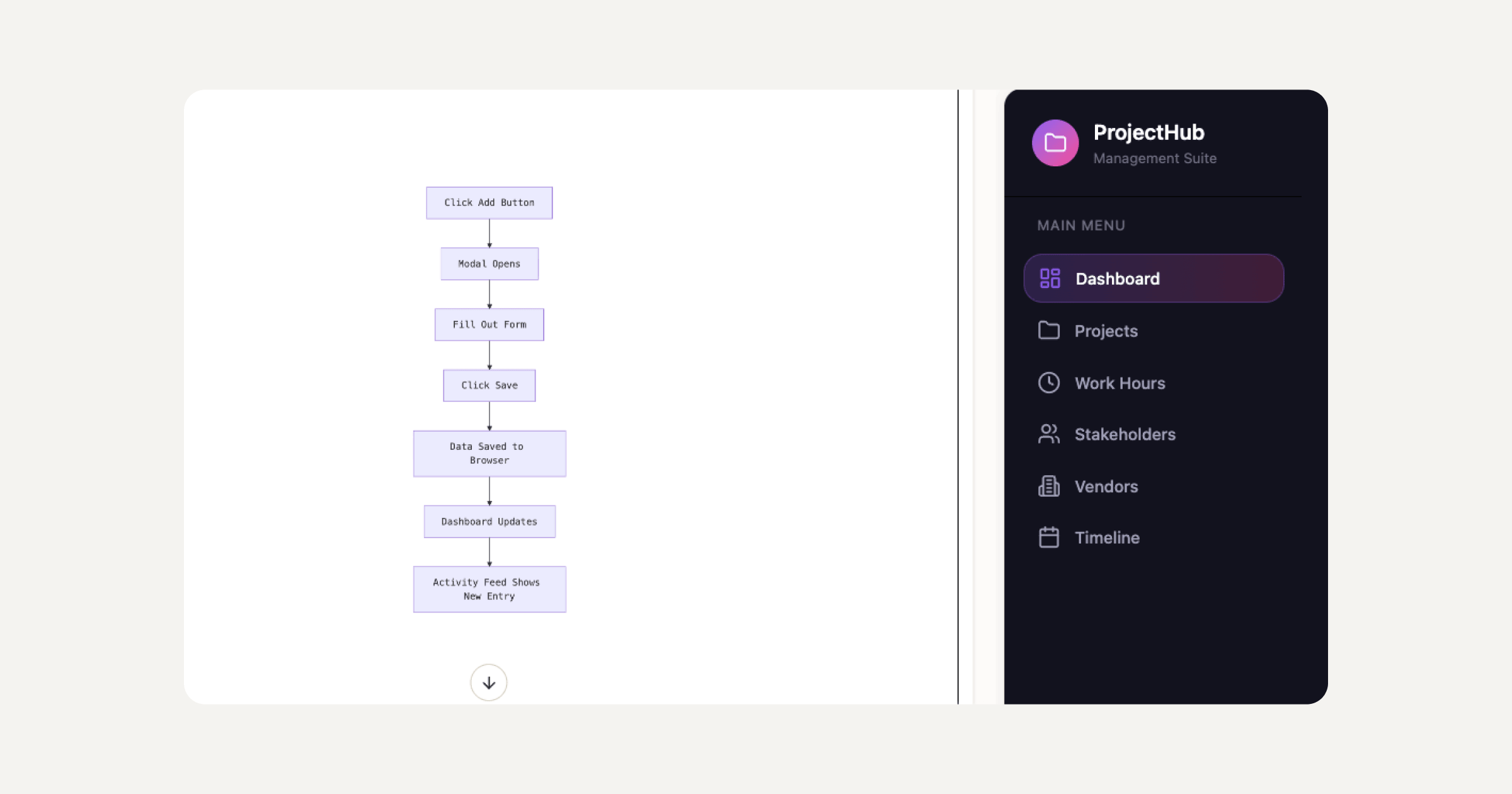
That reach goes beyond a single website. Sticklight is built to take a creator from a prompt to production-ready websites, apps, dashboards, CMS platforms, and tools, so understanding version control once carries over to every project built on the platform. WordPress and Elementor sit alongside that work as ways to extend what you build, giving you more surface to publish and manage content on top of what Sticklight generates.
Frequently asked questions
What is the difference between version control and just saving backups?
A backup usually keeps one copy of a file at a point in time, while version control keeps a full history of every change with a record of what was done and why. That history makes it possible to compare any two versions, not just restore the most recent one.
Do I need to know how to code to use version control?
Not necessarily. The core ideas, saving a change with a note and being able to go back to an earlier version, apply to any kind of file. Coding projects use it the most, but the basic workflow is the same either way.
What is the difference between Git and GitHub?
Git is the version control system itself, the tool that tracks changes and manages history. GitHub is a hosted service that stores Git repositories online and adds features like pull requests, so people often use the two together without confusing one for the other.
Can more than one person work on the same project at once with version control?
Yes, that is one of its main purposes. Branching lets each person work on a separate line of changes, and merging brings that work back together once it is ready, so parallel work rarely conflicts.
What happens if a change breaks something after it is committed?
Because every commit is preserved, you can look through the history to find the exact change that caused the problem and revert to the last working version. Nothing needs to be rebuilt from memory.
Built by the Elementor team. Powered by Claude.
Let it glow.