
What you can build with Sticklight: apps, dashboards, tools, and more

What you can build with Sticklight goes well past a single landing page. Built by the Elementor team and powered by Claude, it’s a vibe-coding platform for professional web creators that turns a plain-language prompt into production-ready websites, apps, dashboards, CMS-backed sites, and internal tools. Ask for a client site, a booking system, or a finance dashboard, and Sticklight works toward the same bar: the craft of a senior designer and developer, not a demo you have to rebuild before you can actually use it.
Every project runs through the same three steps: prompt, build, and publish. You describe what you want, Sticklight produces a working version, and you keep full control to edit every pixel, add a Skill for specialized expertise, or open the code directly before you publish. This guide walks through what you can build with Sticklight, from a first website to a multi-page CMS, and how it connects to a site you already run on WordPress or Elementor.
- Sticklight builds beyond websites: apps, dashboards, CMS-backed sites, booking systems, forms, databases, and internal tools, all from the same prompt, build, and publish flow.
- Every build starts as a plain-language prompt and ends as a project you can edit pixel by pixel or in code.
- Nine live Skills, including accessibility, SEO, design system, performance, and localization, add packaged expertise to any build with one click.
- Sticklight extends a WordPress or Elementor site you already run, rather than replacing it.
- Agencies, freelancers, and independent founders use Sticklight for client work and for their own products, on the same platform.
- Agents are a roadmap feature, labeled coming soon, and not yet part of what you can build today.
What you can build with Sticklight
The short answer is that Sticklight is not scoped to marketing sites. On one platform you can build websites, landing pages, web apps, dashboards, CMS-backed sites, booking systems, internal tools, forms, databases, AI-powered experiences, management platforms, and embedded tools. That range is the point of the platform, not a side benefit. The core narrative is direct: go beyond websites, become a full-stack creator.
Because everything runs through the same prompt, build, and publish flow, moving from a website project to an app or a dashboard does not mean learning a new tool. You describe the next thing you need, and Sticklight builds it to the same production standard as the first.
Production-ready websites and landing pages
Websites are still where most builds start, and Sticklight covers the full range of them. Agencies use it for client websites where speed matters as much as design control and a real code handoff. Marketers use it for campaign landing pages, sales pages, and funnels without waiting on an engineering queue. SEO teams use it for programmatic pages built at scale, from a thousand pages up to a hundred thousand, with schema attached from the start.
Other common builds include per-listing real estate pages, course launch pages and member portals, and portfolio or personal brand sites. Publish includes SEO fundamentals, a security scan on every build, and custom domain connection, so a site is ready to go live rather than half finished.
Web apps and full digital experiences
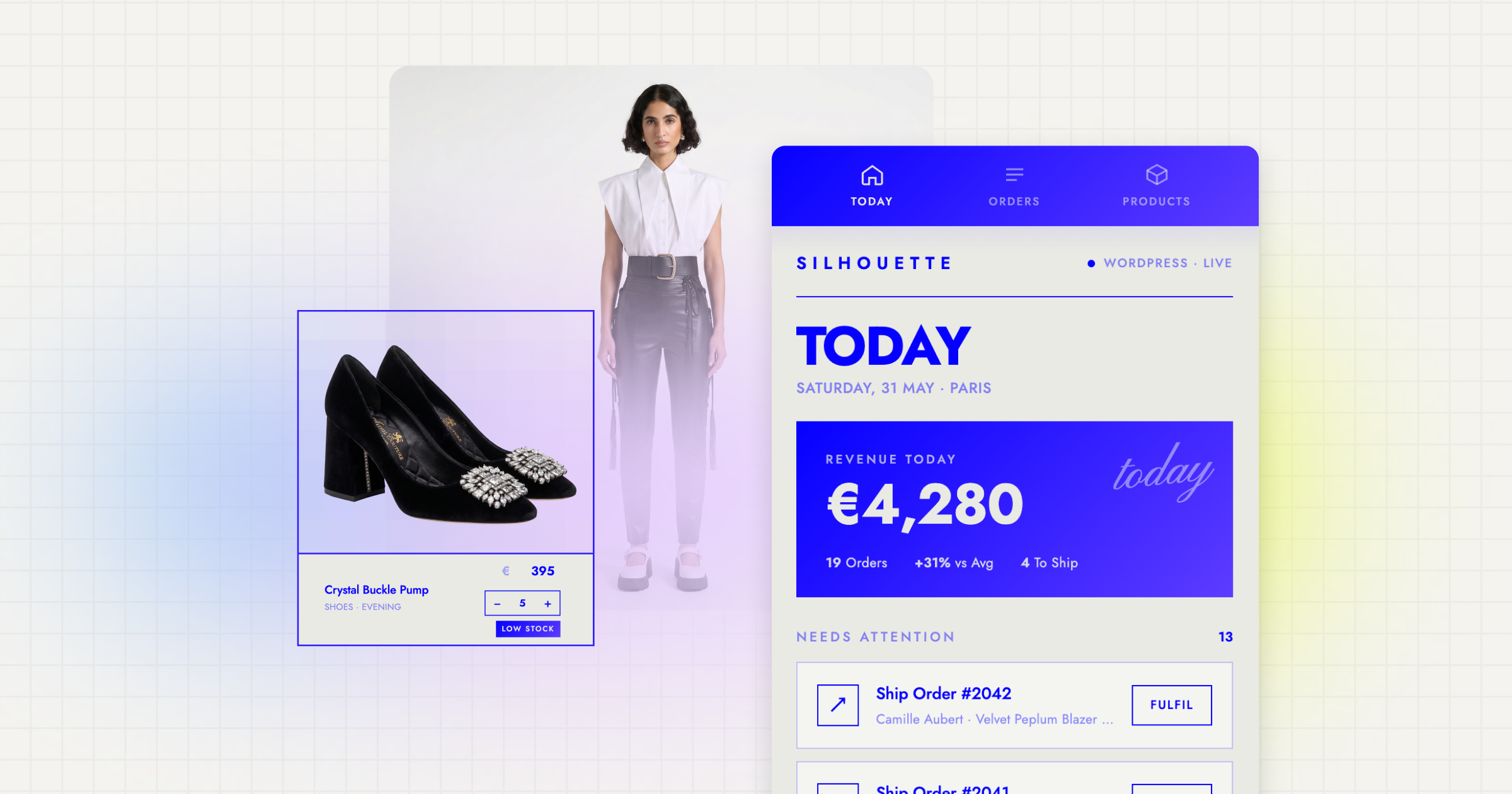
Beyond the traditional website, Sticklight builds web apps and full digital experiences from the same prompt. That covers AI-powered experiences and embedded tools that live inside a product or a client’s stack, beyond a public-facing page. If a project needs logic, state, or a workflow rather than static content, it is still a Sticklight build.
The full-stack creator story matters most here. A founder can prompt a working app, then hand-edit the parts that need precision, without switching to a separate development tool for the app layer and a website builder for everything else.
Dashboards for internal ops, RevOps, and finance
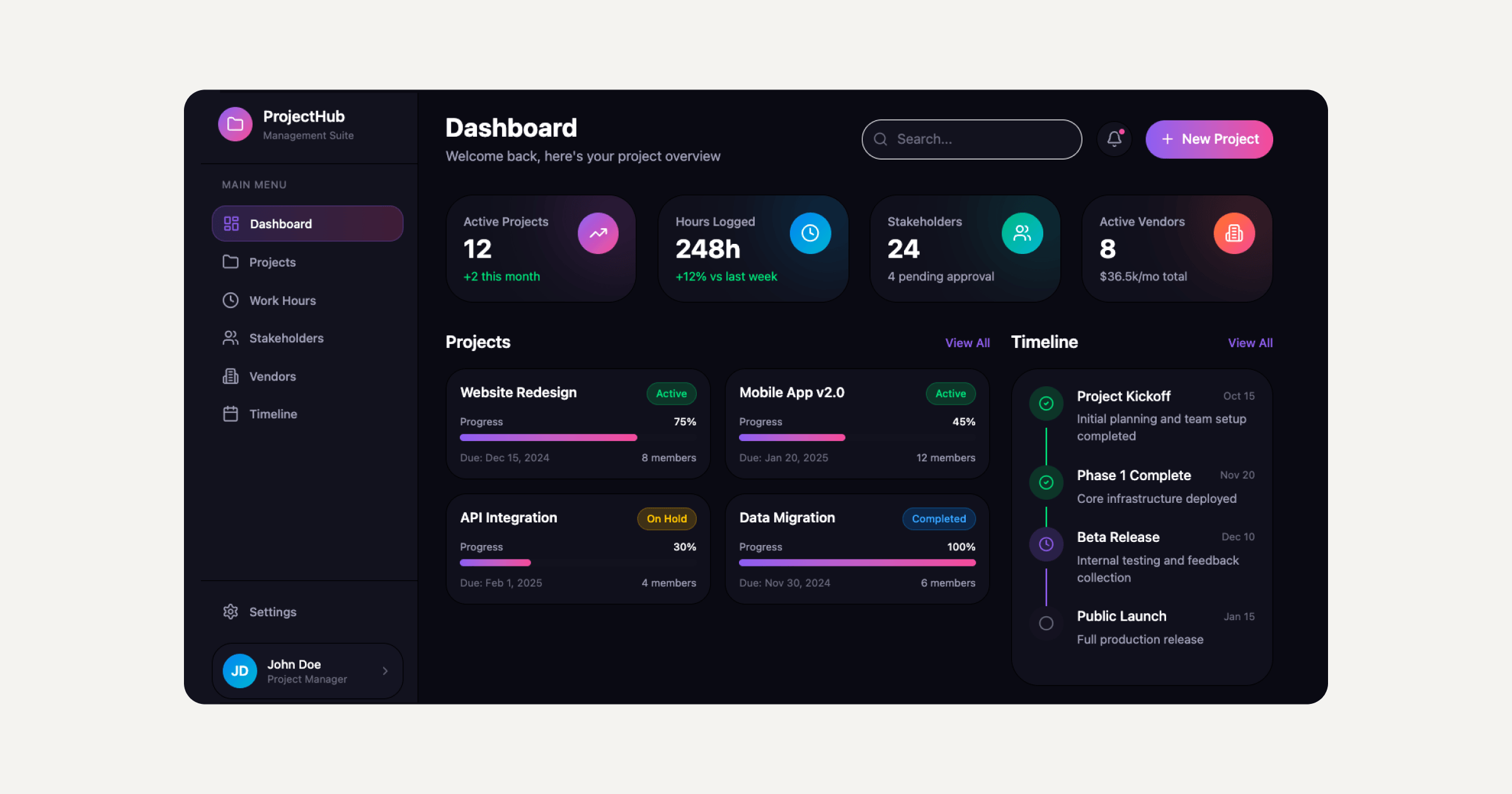
Dashboards are one of the clearest examples of going beyond websites. Teams build internal ops dashboards, RevOps dashboards, and finance dashboards with Sticklight to track the numbers that matter to their business, without commissioning a custom internal build from a development team.
Because the same Skills system applies to dashboards as to any other project, a dashboard can carry the same performance and accessibility standards as a public site. It is built to be used daily, not viewed once and forgotten.
CMS-backed sites, internal tools, and booking systems
Content-heavy products need a CMS underneath them, and Sticklight builds that layer alongside the front end rather than as a separate step. Booking systems, forms, and database-backed tools follow the same pattern: describe what the tool needs to do, and Sticklight builds the structure and the interface together.
Internal tools managers use this for the kind of software that never gets budget on its own, the scheduling tool, the intake form, the small database app that a team has been running out of a spreadsheet for years.
Client work: what agencies and studios ship with Sticklight
Sticklight is built for people who build the web for a living, and that shows up most clearly in client work. Boutique web design agencies, digital marketing agencies running 30 to 100 landing pages a month, and SEO agencies running programmatic pages at scale are among the platform’s highest-value users, alongside in-house SaaS growth marketers and DTC e-commerce operators.
For agencies and freelancers, the draw is a combination of speed and a real code handoff. Sticklight builds to a standard meant to protect a studio’s reputation with its clients, and it hands over full control after the build rather than locking the output behind the tool.
Skills: packaged expertise that extends any build
What sets Sticklight apart is Skills, packaged expertise that changes what you can build without changing how you prompt. A Skill is a packaged unit of expert know-how you add to any prompt with one click during the build phase. Nine are live today: Accessibility, SEO, Design System, Performance, Copywriting, Localization, Micro-interactions, Onboarding, and 3D Web Experience, built on Three.js.
The SEO Skill ships meta tags, schema, a sitemap, and on-page best practices. The Accessibility Skill takes care of WCAG-compliant markup, focus states, and ARIA attributes. Skills compound across projects, so the tenth product you ship tends to be faster and sharper than the first. Agents, a future entry point on the roadmap, is labeled coming soon, not something you can build with yet.
Connecting to and extending your WordPress or Elementor site
None of this replaces a site you already run. Sticklight’s story is additive to Elementor and to WordPress, and that is a standing rule, not a marketing line. WordPress is treated as a source of truth you can build on and connect to, and Elementor shares the same mission of helping web creators, at a different moment and in a different way.
In practice, that means you can build new apps, dashboards, or landing pages in Sticklight and publish them under your own custom domain alongside a site you already run, rather than migrating everything at once. Built by the Elementor team and powered by Claude, Sticklight extends what a web creator can already do instead of asking them to start over.
There’s a difference between an app that runs and an app that holds up when a real person pokes at it for five minutes. Chase the second one.
Itamar Haim
Built by the Elementor team. Powered by Claude.
Let it glow.
