Zite vs Adalo: internal business apps versus native app publishing

Zite and Adalo often land on the same shortlist, but they’re built for different jobs. Zite is a no-code and AI platform for internal business applications, dashboards, CRMs, client portals, centered on a built-in database and workflow automation engine. Adalo is a no-code platform for native mobile and web applications, with publishing to the Apple App Store and Google Play built into the product.
This breaks down what each platform actually does, how their pricing is structured, and where a third option, Sticklight, fits for professional creators who want production-ready output from a single prompt.
- Zite is built for internal business applications (dashboards, CRMs, client portals) with a built-in database and workflow automation engine. Adalo is built for native mobile and web app publishing.
- Zite’s paid tiers (Pro, Business) combine monthly credits with database record caps and workflow run limits. Adalo’s paid tiers (Starter, Professional, Team) are flat monthly prices with no usage-based charges, per its official pricing page.
- Both platforms have a free plan at $0 per month. Zite’s free plan includes 5,000 database records and 1,000 monthly workflow runs; Adalo’s free plan has a 500-record database limit.
- Adalo’s Starter plan is positioned as the entry point for app-store publishing, while its Team plan adds multiple editors and multiple apps aimed at agencies and freelancers.
- Zite includes unlimited users on every plan, with custom domain support starting at its Pro tier.
- Sticklight sits in a different category: a vibe-coding platform that turns a prompt into a production-ready website, app, dashboard, CMS, or internal tool, built by the Elementor team and additive to a WordPress or Elementor stack.
What each platform is built for
Zite describes itself as a no-code and AI platform for building internal business applications, with AI-generated apps whose logic and workflows stay visible and editable. It ships with a built-in database whose record limits scale by plan, built-in authentication and permissions, workflow automation with run-count limits per tier, webhook and API integrations, and version history tracking. Every Zite plan, including the free one, includes unlimited users.
Adalo describes itself as a no-code platform for building native mobile and web applications, centered on a drag-and-drop visual editor for app screens and components. It includes a built-in database for app data, with a 500-record limit on the free plan, and it publishes apps as native iOS and Android app-store submissions alongside standard web apps. Its Starter plan is the entry point for app-store publishing, its Professional plan adds capacity aimed at small and medium business use, and its Team plan supports multiple editors and multiple apps for agencies or freelancers. A separate, custom-priced “Adalo Blue” tier exists for enterprise needs.
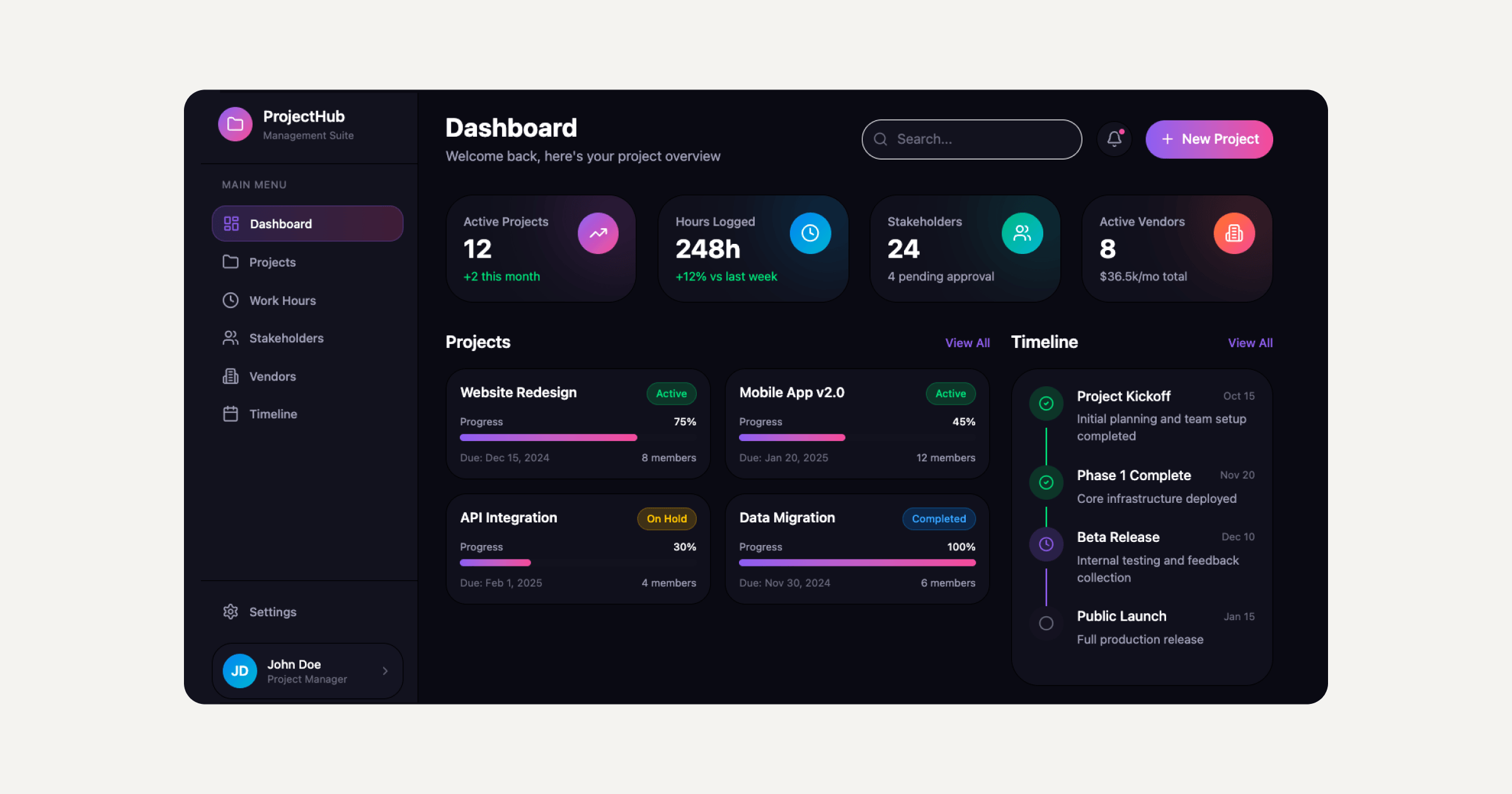
Zite vs Adalo at a glance
| Dimension | Zite | Adalo | Sticklight |
|---|---|---|---|
| What it is | No-code and AI platform for internal business apps: dashboards, CRMs, client portals | No-code platform for native mobile and web apps | Vibe-coding platform that turns a prompt into production-ready websites, apps, dashboards, CMS, and internal tools |
| Output | Web-based internal applications with database, workflows, and authentication | Native iOS and Android apps plus web apps | Production-ready, full-stack sites, apps, dashboards, CMS, and tools |
| Backend / data | Built-in database (record limits scale by tier), built-in auth and permissions | Built-in database, 500-record limit on the free plan | Additive to a WordPress/Elementor stack rather than a replacement for it |
| Publish / hosting | Custom domain support from the Pro tier up | App-store submission (iOS and Android) plus web publishing | Publish is part of the prompt-to-build-to-publish flow |
| Best for | Teams building internal tools, dashboards, and CRMs | Teams building and shipping native mobile apps | Professional creators wanting full-stack output from one prompt, alongside WordPress/Elementor |
| Entry pricing | Free ($0/month); Pro $15/month billed annually ($182/year) | Free ($0/month); Starter $36/month billed annually | Additive to your WordPress/Elementor stack |
Pricing and plans in detail
Zite’s free plan is $0 per month and includes 5,000 database records, 1,000 monthly workflow runs, and one brand kit. Its Pro plan is $15 per month billed annually ($182 per year), and includes 100 monthly credits, 100,000 database records, 5,000 monthly workflow runs, and one custom domain. Its Business plan is $55 per month billed annually ($662 per year), and includes 200 monthly credits, 250,000 database records, 50,000 monthly workflow runs, and unlimited custom domains.
Adalo’s free plan is $0 per month. Its Starter plan is $36 per month billed annually. Its Professional plan is $52 per month billed annually. Its Team plan is $160 per month billed annually. Adalo’s official pricing page also notes that monthly billing runs roughly 20 percent higher, though it doesn’t itemize exact monthly dollar figures. A separate, custom-priced Adalo Blue tier is offered for enterprise needs, outside the standard four-tier structure.
Where Sticklight fits as a third option
Zite and Adalo both serve real, specific needs: Zite for internal business tooling built around a database and workflow engine, Adalo for shipping a native mobile app to the App Store and Google Play. Sticklight works differently. It’s the vibe-coding platform built by the Elementor team, powered by Claude, for professional web creators who want to go beyond a single app category. The flow is prompt, build, publish: a prompt turns into a production-ready website, app, dashboard, CMS, or internal tool, and publishing is part of that flow rather than a separate step.
Sticklight is additive to WordPress and Elementor, so it works alongside an existing WordPress or Elementor setup rather than requiring you to replace it. If you already work across websites, internal tools, and client dashboards, and want one prompt-driven workflow to produce production-ready output for more than one of those categories, Sticklight is worth evaluating alongside category-specific tools like Zite or Adalo. AI agents are on Sticklight’s roadmap and aren’t a shipped feature yet. As with any platform decision, the right fit depends on whether your immediate need is an internal business app, a native mobile app, or broader full-stack output from a single prompt.
Frequently asked questions
What’s the core difference between Zite and Adalo?
Zite is built for internal business applications such as dashboards, CRMs, and client portals, with a built-in database and workflow automation. Adalo is built for native mobile and web app publishing, including submission to the Apple App Store and Google Play.
Does Zite publish native mobile apps?
No. Zite’s stated focus is internal business web applications built around its database, authentication, and workflow automation features. Native app-store publishing is Adalo’s stated focus, not a feature listed for Zite.
Does Adalo include workflow automation like Zite?
No. Adalo’s listed features center on a drag-and-drop visual editor, a built-in app database, and native app-store publishing. Workflow automation with run-count limits per tier is a feature Zite lists specifically, and it isn’t among Adalo’s listed features.
Do Zite and Adalo both have a free plan?
Yes. Zite’s free plan is $0 per month and includes 5,000 database records and 1,000 monthly workflow runs. Adalo’s free plan is also $0 per month.
Where does Sticklight fit if I already use Zite or Adalo?
Sticklight is additive, not a replacement. It’s a prompt-to-publish platform for production-ready websites, apps, dashboards, CMS, and internal tools, built by the Elementor team and designed to work alongside an existing WordPress or Elementor setup, including for teams already using category-specific tools like Zite or Adalo.
Built by the Elementor team. Powered by Claude.
Let it glow.