
Zite vs Budibase: comparing two app builders for internal tools

Zite vs Budibase comes up when a team needs to build internal business applications, dashboards, CRMs, or client portals, without hand-coding every screen. Both platforms give you a built-in data layer, workflow automation, and a visual way to assemble screens, but they part ways on how they price usage, how open the underlying stack is, and who they’re built for.
Here’s what each platform actually offers, based on their published pricing and feature pages, followed by where a full-stack, prompt-driven platform like Sticklight fits if you’re building beyond internal tools.
- Zite is a no-code and AI platform built for internal business apps, with a database, authentication, and workflow automation on every tier.
- Budibase is a low-code platform that runs on its own built-in data source or connects to external SQL databases and REST APIs, with a free, self-hosted open-source edition.
- Zite’s paid plans start at $15 a month (billed annually) and scale record and workflow-run limits by tier; Budibase’s cloud plans start at $19 a month and scale by action count.
- Budibase’s self-hosted option removes usage caps for teams willing to run their own infrastructure; Zite’s published plans don’t list a self-hosted tier.
- Sticklight sits in a separate category: a prompt-to-production platform for professional web creators building full websites, apps, dashboards, and CMS, not internal admin tools alone.
What Zite and Budibase are
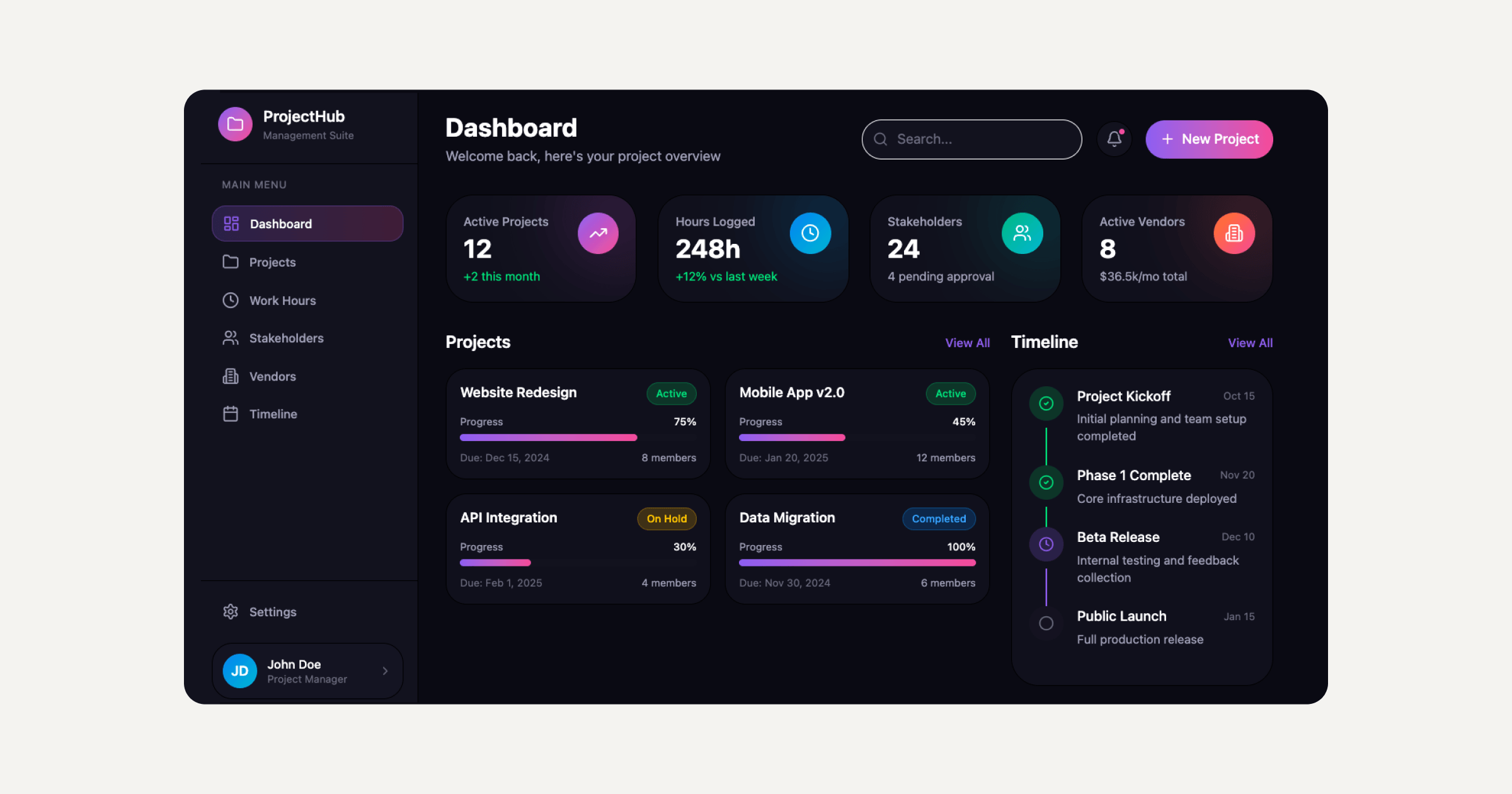
Zite is a no-code and AI platform for building internal business applications: dashboards, CRMs, client portals. It combines a built-in database, workflow automation, and built-in authentication and permissions, so you can assemble an app and control who accesses it without bolting on separate tools.
Budibase is a low-code platform for building business web applications and automations. It works with its own internal data model, Budibase DB, or connects to external sources including SQL databases and REST APIs. That gives you an app layer to put on top of data you already have, rather than a new data store underneath it.
Zite vs Budibase at a glance
| Dimension | Zite | Budibase | Sticklight |
|---|---|---|---|
| What it is | No-code/AI platform for internal business apps | Low-code platform for business web apps and automations | Vibe-coding platform for professional web creators |
| Output | Dashboards, CRMs, client portals with editable logic | Business web apps connected to internal or external data | Production-ready websites, apps, dashboards, CMS, and internal tools from a prompt |
| Backend / data | Built-in database, record limits scale by tier | Built-in Budibase DB or external SQL databases and REST APIs | Additive to your WordPress/Elementor stack |
| Publish / hosting | Custom domain support on Pro and Business tiers | Cloud hosting or self-hosted open-source edition | Publish included as part of the build flow |
| Best for | Teams standardizing on one built-in database for internal apps | Teams needing external data connections or self-hosting | Professional creators building full-stack sites and apps beyond admin tools |
| Entry pricing | Free tier, then $15/month billed annually (Pro) | Free self-hosted edition, then $19/month (Pro, cloud) | Additive to your WordPress/Elementor stack |
Pricing and usage limits
Zite’s Free plan runs $0 a month with 5,000 database records, 1,000 monthly workflow runs, and 1 brand kit. Pro is $15 a month billed annually ($182 a year) and includes 100 monthly credits, 100,000 database records, 5,000 monthly workflow runs, and 1 custom domain. Business runs $55 a month billed annually ($662 a year), with 200 monthly credits, 250,000 database records, 50,000 monthly workflow runs, and unlimited custom domains. Every Zite plan includes unlimited users.
Budibase’s Open Source self-hosted edition is free and includes 1 workspace, running on infrastructure you manage yourself. Cloud Pro is $19 a month with 5,000 to 10,000 actions. Premium is $49 a month with 20,000 to 50,000 actions. Business is $299 a month with 250,000 actions. Enterprise plans, cloud and self-hosted, are custom quote-based. AI credit allotments range from 2,000 to 50,000 on Budibase’s paid tiers, and row-limit caps scale from tens of thousands up to 500,000 on higher cloud tiers, with no cap on enterprise or the open-source edition.
Data model and backend flexibility
Zite’s built-in database is the primary data layer across every plan, with the record ceiling rising as you move up tiers. That means one data store and one set of limits to track across the platform.
Budibase takes a different approach. Its own Budibase DB works out of the box, but you can also point it at existing SQL databases or REST APIs, which matters if your organization already has data infrastructure and doesn’t want to duplicate it inside a new tool. Budibase also supports building AI agents with configurable instructions and tools, and its Premium tier adds SSO according to its published pricing page.
Where a full-stack platform like Sticklight fits
Zite and Budibase are both purpose-built for internal business applications: the dashboards, portals, and automations a team uses to run its own operations. Sticklight is built for a broader job. It’s the vibe-coding platform for professional web creators, built by the Elementor team and powered by Claude, and it turns a prompt into a production-ready website, app, dashboard, CMS, or internal tool. Its flow is prompt, build, publish, with publishing included as part of the process rather than a separate step.
If your need starts and ends at one internal dashboard, Zite or Budibase’s purpose-built internal-app focus may be the more direct fit. If you’re a professional creator or agency that needs to go beyond an admin panel, to a full public-facing site, a customer-facing app, or a CMS, alongside internal tooling, Sticklight’s full-stack, production-ready output from a single prompt is the more truthful fit, especially since it works additively alongside an existing WordPress and Elementor stack rather than requiring a separate ecosystem. AI agents on Sticklight are coming soon, a real distinction worth noting since Budibase already supports building AI agents today.
There’s something almost unfair about how much faster this feels, given how much more thought I actually put into the words before I type them.
Itamar Haim
Frequently asked questions
What’s the main difference between Zite and Budibase?
Zite centers on one built-in database for internal apps, with tier-based record and workflow-run limits. Budibase supports both its own built-in data model and external SQL databases or REST APIs, plus a free self-hosted open-source edition that removes usage caps.
Does Budibase have a free plan?
Yes. Budibase offers a free, self-hosted Open Source edition with 1 workspace. Its cloud plans start at $19 a month for Pro.
Does Zite have a free plan?
Yes. Zite’s Free plan runs $0 a month and includes 5,000 database records, 1,000 monthly workflow runs, and 1 brand kit.
Can Budibase connect to external data sources?
Yes. Budibase works with its own Budibase DB or connects to external data sources, including SQL databases and REST APIs.
Is Sticklight a replacement for Zite or Budibase?
Not directly. Sticklight is a full-stack, prompt-to-production platform for professional web creators building sites, apps, dashboards, CMS, and internal tools, and it works additively alongside WordPress and Elementor rather than as a like-for-like swap for a single-purpose internal-app builder.
Built by the Elementor team. Powered by Claude.
Let it glow.
