Zite vs Emergent: comparing two AI app builders

You’re weighing Zite against Emergent because they solve different problems even though both promise to turn a prompt into working software. Zite focuses on internal business applications, things like dashboards, CRMs, and client portals, while Emergent generates full-stack web and mobile applications from natural-language prompts and hands you code you own and can export.
Both are AI-first builders with tiered pricing and credit systems, but they differ in output format, backend model, and who the generated product is meant to serve.
- Zite targets internal business apps: dashboards, CRMs, and client portals, with a built-in database, authentication, and workflow automation.
- Emergent generates full-stack web, mobile, dashboard, e-commerce, and SaaS applications from natural-language descriptions, and you own and can export the generated code.
- Zite’s paid plans start at $15 a month billed annually ($182 a year) for the Pro tier; Emergent’s paid plans start at $17 a month billed annually for the Standard tier.
- Zite scales its limits by database records and workflow runs per tier; Emergent scales by monthly generation credits and tier-gated features like custom AI agents.
- Emergent integrates with GitHub for version control and deployment; Zite includes webhook and API integrations plus version history tracking.
- Sticklight is a separate category of tool: a vibe-coding platform, built by the Elementor team, that turns a prompt into a production-ready website, app, dashboard, CMS, or internal tool and publishes it, additive to an existing WordPress or Elementor stack.
What Zite and Emergent are built for
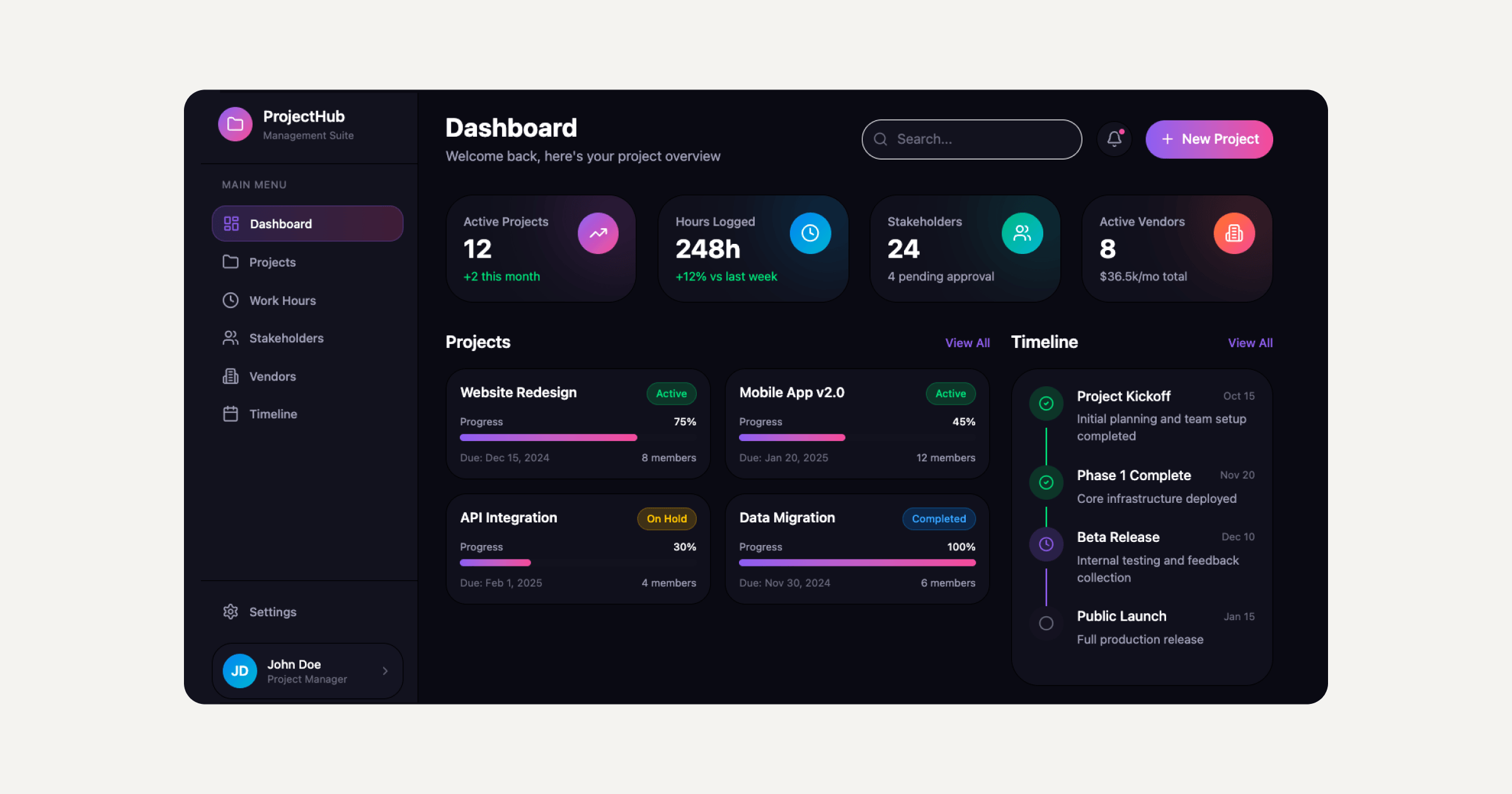
Zite bills itself as a no-code and AI platform for internal business applications, software a company runs for itself rather than ships to customers. The core use case is operational: dashboards for tracking data, CRMs for managing relationships, client portals for sharing information. It ships with a built-in database, built-in authentication and permissions, and workflow automation, so what you generate functions as a self-contained internal tool from day one.
Emergent takes a broader prompt-to-app approach. You describe what you want in natural language, and it generates a full-stack application spanning web, mobile, dashboards, e-commerce, or SaaS use cases. A key distinction: the generated code is owned and exportable, so you can take the output and keep developing it outside the platform. Emergent also connects to GitHub for version control and deployment, and its higher tiers add a larger context window, more advanced model access, and custom AI agents.
Pricing and plans
Zite’s free plan is $0 a month with 5,000 database records, 1,000 monthly workflow runs, and one brand kit. Pro runs $15 a month billed annually ($182 a year), with 100 monthly credits, 100,000 database records, 5,000 monthly workflow runs, and one custom domain. Business runs $55 a month billed annually ($662 a year), with 200 monthly credits, 250,000 database records, 50,000 monthly workflow runs, and unlimited custom domains. Every Zite plan includes unlimited users.
Emergent’s free plan is $0 a month with 10 monthly credits. Standard runs $17 a month billed annually, with 100 credits a month. Pro runs $167 a month billed annually, with 750 credits a month and custom AI agents. Emergent also has an Enterprise tier at custom pricing, available by contacting sales, which adds SSO and role-based access control.
Zite vs Emergent at a glance
| Dimension | Zite | Emergent | Sticklight |
|---|---|---|---|
| What it is | No-code/AI platform for internal business applications | AI platform that generates full-stack web and mobile apps from prompts | Vibe-coding platform for production-ready websites, apps, dashboards, CMS, and internal tools |
| Output | Dashboards, CRMs, client portals with editable logic and workflows | Full-stack web, mobile, dashboard, e-commerce, and SaaS apps; code owned and exportable | Production-ready, publishable output from a single prompt |
| Backend / data | Built-in database with record limits by tier, built-in authentication and permissions | Not specified beyond production-ready code you own and can modify | Full-stack build, additive to an existing WordPress/Elementor stack |
| Publish / hosting | Custom domains on Pro and Business tiers | GitHub integration for version control and deployment | Publish included as part of the prompt-to-build-to-publish flow |
| Best for | Teams building internal operational tools with a built-in database and workflows | Teams that want owned, exportable full-stack code across web and mobile | Professional creators who want production-ready, full-stack output without leaving the WordPress/Elementor ecosystem |
| Entry pricing | Free plan; Pro from $15/month billed annually | Free plan; Standard from $17/month billed annually | Additive to your WordPress/Elementor stack |
Where Sticklight fits in
Zite and Emergent both solve real problems for teams that want an AI-generated application, but they sit in a different place than Sticklight. Sticklight is built by the Elementor team and powered by Claude, and its flow is prompt, build, publish: you describe what you want and get a production-ready website, app, dashboard, CMS, or internal tool, published as part of that same flow. AI agents are coming soon on Sticklight, not yet shipped, so that comparison point doesn’t apply here.
If you already work inside WordPress and Elementor, the practical difference is that Sticklight is additive to that stack rather than a separate system to manage. Neither Zite nor Emergent is built around that ecosystem, so choosing between the three comes down to weighing an internal-tools builder with its own database (Zite), an exportable full-stack codebase across web and mobile (Emergent), or production-ready output that plugs into a WordPress or Elementor workflow you already run (Sticklight).
Choosing between Zite, Emergent, and Sticklight
If you need a self-contained internal app such as a CRM or client portal with a built-in database and workflow automation, Zite’s feature set is built directly for that. If you want a full-stack product where your team owns and keeps developing the underlying code, Emergent’s export-and-GitHub model addresses that directly. If you want production-ready, publishable output from a single prompt that works alongside a WordPress or Elementor site rather than replacing it, Sticklight is the option built for that case. None of the three is a universal answer. The right pick depends on where the generated output needs to live and who maintains it afterward.
Frequently asked questions
What’s the main difference between Zite and Emergent?
Zite is built for internal business applications like dashboards, CRMs, and client portals, with a built-in database and workflow automation. Emergent generates broader full-stack web, mobile, dashboard, e-commerce, and SaaS applications from natural-language prompts, and you own the generated code and can export it.
Do Zite and Emergent have free plans?
Yes, both do. Zite’s free plan includes 5,000 database records, 1,000 monthly workflow runs, and one brand kit. Emergent’s free plan includes 10 monthly credits.
Can I export the code Emergent generates?
Yes. The code Emergent generates is yours to export, and the platform integrates with GitHub for version control and deployment.
Is Sticklight a direct replacement for Zite or Emergent?
No. Sticklight is a vibe-coding platform for production-ready websites, apps, dashboards, CMS, and internal tools, additive to a WordPress or Elementor stack you already run, which is a different starting point than either Zite or Emergent.
Built by the Elementor team. Powered by Claude.
Let it glow.