Zite vs Glide: comparing two no-code app builders

Zite and Glide solve different problems even though both sit in the no-code app-builder category. Zite gives you internal business applications built around its own database. Glide turns a spreadsheet or database you already maintain into an installable web app.
Both platforms skip the code, but they start from different assumptions about where your data already lives and what kind of app you’re trying to ship.
- Zite builds apps around its own database, authentication, and workflow automation, geared toward internal tools such as dashboards, CRMs, and client portals.
- Glide builds apps from data you already have in Google Sheets, Excel, Airtable, or a native Glide table, and ships them as Progressive Web Apps.
- Zite’s free plan includes 5,000 database records and 1,000 monthly workflow runs; its Pro plan starts at $15 per month billed annually.
- Glide’s free plan covers one project; its Solo plan starts at $25 per month and includes a database and five projects.
- Neither platform ships a compiled native App Store or Play Store binary; both deliver web-based apps.
- Sticklight is worth a look when you need more than one internal app, when the goal is a full production website, dashboard, or CMS built from a prompt.
What Zite and Glide are each built for.
Zite positions itself as a no-code AI platform for internal business applications: dashboards, CRMs, and client portals, with a database, workflow automation, and authentication built into every project. The generated logic and workflows stay visible and editable, and every plan supports unlimited users, with record counts and workflow-run limits scaling by tier.
Glide, also known as GlideOS, starts from a different place. It builds data-driven apps from a spreadsheet or database source, whether that’s Google Sheets, Excel, Airtable, or a native Glide table, using a visual, form-based builder rather than a freeform canvas. What you get is a Progressive Web App: an installable web app rather than a compiled native binary for the App Store or Play Store.
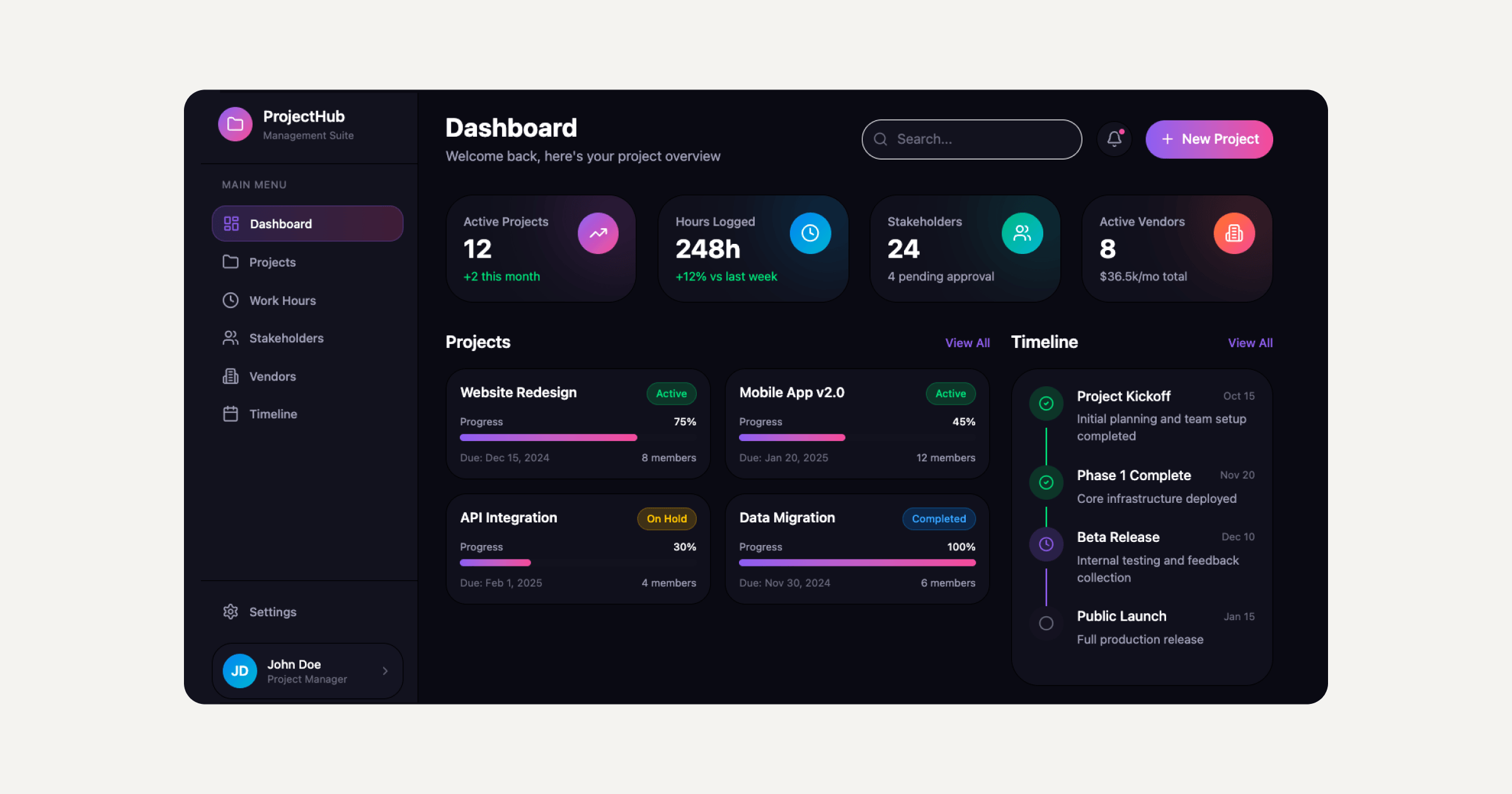
Zite vs Glide at a glance
| Dimension | Zite | Glide | Sticklight |
|---|---|---|---|
| What it is | No-code/AI platform for internal business applications with a built-in database and workflow automation | No-code platform for building data-driven apps from spreadsheet or database sources | Vibe-coding platform that turns a prompt into production-ready websites, apps, dashboards, CMS, and internal tools |
| Output | Web apps with visible, editable logic and workflows | Progressive Web Apps built from connected data sources | Production-ready, published output across sites, apps, dashboards, and tools |
| Backend / data | Built-in database, authentication, and permissions; record and workflow-run limits scale by tier | Data sourced from Google Sheets, Excel, Airtable, or a native Glide table | Additive to your existing WordPress and Elementor stack |
| Publish / hosting | Custom domain support on Pro and Business plans | Delivered as installable Progressive Web Apps | Publish included as part of the Prompt, Build, Publish flow |
| Best for | Internal tools such as dashboards, CRMs, and client portals | Teams that already manage data in a spreadsheet and want an app view of it | Professional creators who want full-stack, production-ready output from one prompt |
| Entry pricing | Free plan at $0/month (5,000 database records, 1,000 monthly workflow runs); Pro at $15/month billed annually | Free plan at $0/month; Solo at $25/month (database, 5 projects) | Additive to your WordPress/Elementor stack |
How pricing compares.
Zite’s free tier sits at $0 per month and includes 5,000 database records, 1,000 monthly workflow runs, and one brand kit. The Pro plan runs $15 per month billed annually, which works out to $182 per year, and raises those limits to 100,000 database records, 5,000 monthly workflow runs, and a custom domain. A Business plan at $55 per month billed annually, or $662 per year, pushes those limits further and adds unlimited custom domains.
Glide’s free plan is also $0 per month, though it’s capped at one project with restricted usage credits. The Solo plan runs $25 per month and includes a database and five projects. The Team plan starts at $125 per month as a base, plus $10 per additional member, with a five-member minimum. Glide’s Enterprise plan is custom-priced and adds single sign-on, custom connectors, and a dedicated success manager. As of this comparison, Glide’s pricing page lists annual billing as “coming soon,” so monthly billing is what’s currently offered.
Data model and workflow differences.
The clearest technical difference between the two comes down to where the data starts. Zite gives you a built-in database from day one, along with authentication and permissions, so your app’s data model lives inside the platform itself. Workflow automation and webhook or API integrations come with every plan, gated by usage limits rather than by feature.
Glide instead treats your existing spreadsheet or database as the source of truth. That makes it a natural fit if you already track operations in Google Sheets, Excel, or Airtable and want a usable app interface on top of that data without migrating it anywhere. The tradeoff: your app’s structure follows the source data rather than a purpose-built schema.
Where Sticklight fits in.
Zite and Glide each cover a specific slice of the no-code space: internal business apps for Zite, spreadsheet-driven apps for Glide. Sticklight approaches the problem from a different angle. Built by the Elementor team and powered by Claude, it’s a vibe-coding platform that turns a prompt into production-ready output across websites, apps, dashboards, CMS, and internal tools, following a Prompt, Build, Publish flow that includes publishing as part of the process.
If your needs go beyond a single internal tool, say you also need a public-facing site, a client dashboard, and a lightweight CMS, Sticklight’s broader output range is a genuine differentiator over a platform scoped to one app type. It’s additive rather than a replacement, too: Sticklight works alongside WordPress and Elementor instead of asking you to leave that ecosystem behind. AI agents are on Sticklight’s roadmap, not a shipped feature today, so this comparison covers what each platform currently generates and publishes, not agentic capabilities.
Frequently asked questions
Is it fair to compare Zite and Glide?
Yes. Both are no-code platforms for building applications without writing code, though they start from different premises: Zite gives you a built-in database, while Glide builds on top of a spreadsheet or database you already maintain.
Which is cheaper, Zite or Glide?
Both offer a free plan at $0 per month. Above that, Zite’s Pro plan starts at $15 per month billed annually, while Glide’s Solo plan is $25 per month. Team and Enterprise pricing differs further, so the cheaper option depends on your team size and usage.
Will Zite or Glide give me a native mobile app?
No. Glide explicitly delivers Progressive Web Apps, installable web apps rather than compiled binaries for the App Store or Play Store. Zite’s output is also a web app, based on its published feature set.
Can I use Zite or Glide alongside a WordPress site?
No, not natively. Both are standalone platforms, and neither is described in its own materials as a WordPress integration. Sticklight, by contrast, is built by the Elementor team specifically to be additive to your existing WordPress and Elementor stack.
Is there a third option besides Zite and Glide?
Yes. Sticklight is a vibe-coding platform that generates production-ready websites, apps, dashboards, CMS, and internal tools from a prompt, built for professional creators who need more than one internal app.
Built by the Elementor team. Powered by Claude.
Let it glow.