Zite vs Retool: comparing two internal app builders

If you’re evaluating platforms to build internal apps, dashboards, and client portals without a large engineering lift, Zite and Retool are two names you’ll run into. Both let non-specialist builders create working tools, but they take different approaches to data, pricing, and hosting.
This comparison breaks down what each platform actually offers, based on their published pricing and features, plus where a third option, Sticklight, fits if you’re already working in WordPress and Elementor.
- Zite includes a built-in database and authentication system, with record and workflow-run limits that scale by plan.
- Retool connects to your own databases and APIs rather than hosting data itself, and separates builder seats from internal-user seats for pricing.
- Zite’s paid plans start at $15/month (billed annually) on the Pro tier; Retool’s Team plan starts at $10/month per builder seat (billed annually).
- Both platforms offer a free plan at $0/month: Zite’s includes 5,000 database records and 1,000 monthly workflow runs.
- Sticklight is a different category of tool: it generates production-ready websites, apps, dashboards, CMS, and internal tools from a prompt, built by the Elementor team as an addition to the WordPress and Elementor ecosystem.
What Zite is built for.
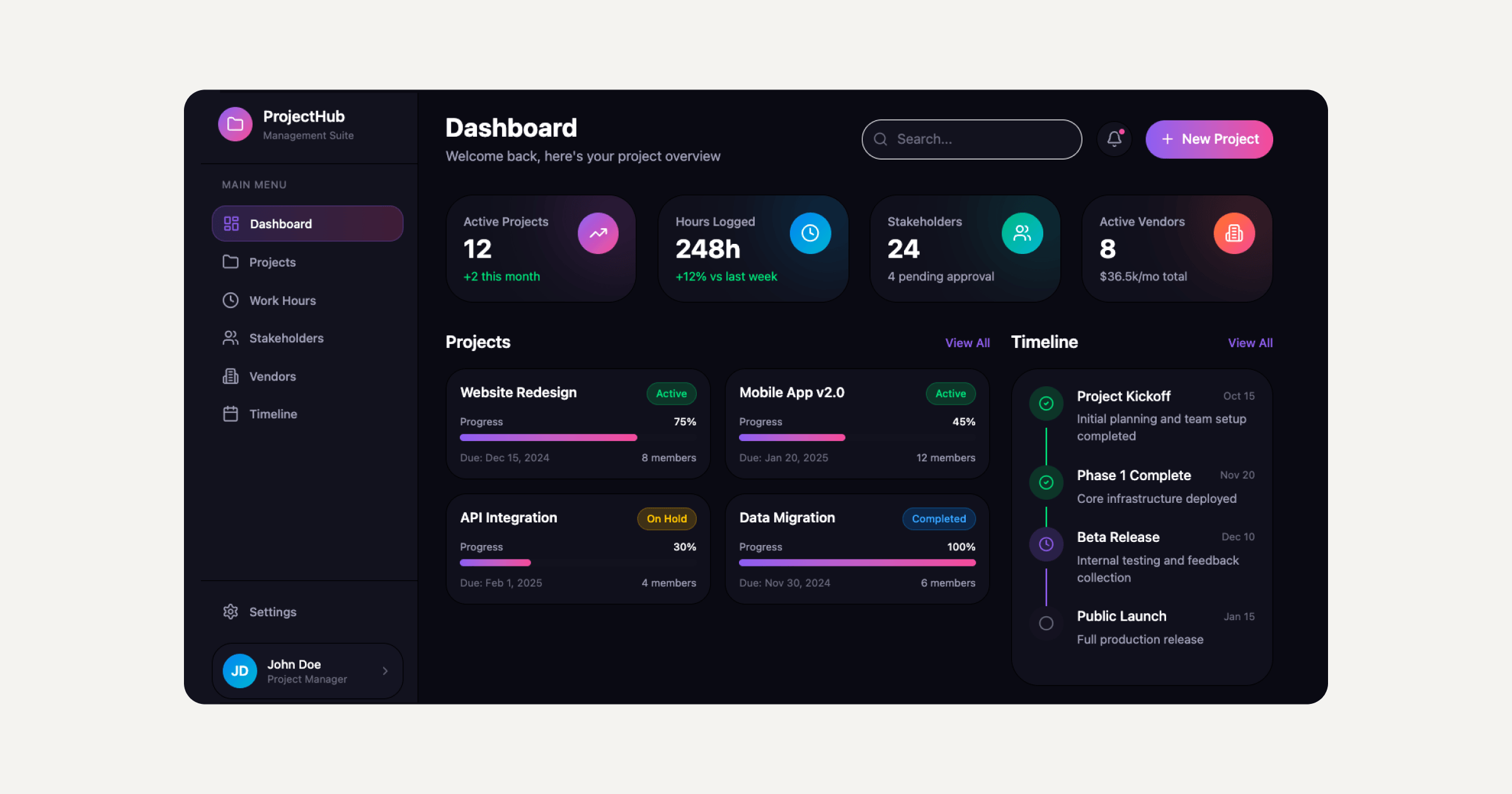
Zite is a no-code, AI-assisted platform for building internal business applications such as dashboards, CRMs, and client portals. It ships with a built-in database, built-in authentication and permissions, and workflow automation, so you don’t need to connect an external data source to get started. Every plan, including the free one, supports unlimited users, and custom domains become available on the Pro and Business tiers. Apps you generate with Zite come with visible, editable logic rather than a fully opaque output.
What Retool is built for.
Retool is a platform for building internal applications and automations that connect to your company’s own data sources. Rather than hosting data itself, Retool sits on top of your existing databases and APIs, and you combine a drag-and-drop UI with JavaScript or SQL for custom logic. It deploys in the cloud or self-hosted, with pricing mirrored across both options. Workflow automation, meaning scheduled or triggered runs, comes as a feature separate from the core app builder.
Zite vs Retool at a glance
| Dimension | Zite | Retool | Sticklight |
|---|---|---|---|
| What it is | An AI-assisted no-code platform for internal business applications. | A platform for building internal applications and automations on top of a company’s own data. | A vibe-coding platform that turns a prompt into production-ready websites, apps, dashboards, CMS, and internal tools. |
| Output | Dashboards, CRMs, client portals, and similar internal apps with visible, editable logic. | Internal apps and admin tools built with a drag-and-drop UI plus JavaScript and SQL. | Full-stack sites, apps, dashboards, CMS, and internal tools generated from a single prompt. |
| Backend / data | Built-in database and authentication, with record limits that scale by plan. | Connects to a company’s own databases and APIs; data stays customer-hosted. | Production-ready output designed for teams already running on WordPress and Elementor. |
| Publish / hosting | Hosted by Zite, with custom domain support on Pro and Business plans. | Cloud or self-hosted deployment, with pricing mirrored across both. | Publishing is part of the prompt-to-build-to-publish flow. |
| Best for | Teams that want a builder with a database and authentication included from the start. | Teams with existing data sources that want a builder layered on top of them. | Professional creators who want production-ready, full-stack output without leaving the WordPress and Elementor ecosystem. |
| Entry pricing | Free: $0/month (5,000 database records, 1,000 monthly workflow runs). Pro: $15/month billed annually ($182/year). | Free: $0/month. Team Builder seat: $10/month billed annually (or $12/month billed monthly). | Additive to your WordPress/Elementor stack. |
Pricing structure: plan-based vs per-seat.
The two platforms price differently enough that the cheaper option depends on your team shape. Zite charges by plan: the Pro tier runs $15/month billed annually and covers unlimited users with a set allotment of database records and workflow runs. Retool charges by seat, splitting builder seats ($10/month billed annually, or $12/month billed monthly on Team) from internal-user seats ($5/month billed annually, or $7/month billed monthly). Retool also prices external users separately on its Business plan and above, on top of the builder and internal-user seat costs. If you’re a small team with one or two builders and few internal users, you may land close in cost on either platform. A team with many internal users but only one or two builders will see the per-seat structure add up faster on Retool.
Where Sticklight fits into the picture.
Zite and Retool are both purpose-built for internal business applications: dashboards, portals, and admin tools that live inside your day-to-day operations. Sticklight is a different kind of tool. Built by the Elementor team and powered by Claude, it turns a prompt into a production-ready website, app, dashboard, CMS, or internal tool, then publishes it as part of the same flow. If you already work in WordPress and Elementor, Sticklight is additive rather than a replacement: it extends that existing ecosystem instead of asking you to stand up a separate internal-tools platform. AI agents are on Sticklight’s roadmap, coming soon, so that capability isn’t part of a comparison made today.
Choosing between Zite and Retool.
If you don’t have an existing database or auth system and want one builder to cover the whole stack, you’re closer to what Zite provides out of the box. If you already run your business on your own databases and APIs and mainly need an interface layered on top of that data, you’re closer to what Retool is designed for. Neither platform is a strict upgrade over the other. The right pick follows from what data infrastructure you already have and how many people need builder-level access versus simple internal use.
What changed for me isn’t the ambition of my projects, it’s how quickly I can test whether an ambitious idea actually holds up once it’s real.
Itamar Haim
Frequently asked questions
Which is cheaper for my small team, Zite or Retool?
It depends on your team shape. Zite’s Pro plan is a flat $15/month billed annually for unlimited users within its record and workflow-run limits. Retool prices per seat, at $10/month per builder (billed annually) plus $5/month per internal user (billed annually), so your total cost scales with headcount rather than staying flat.
What’s the main difference between Zite and Retool?
Zite includes its own built-in database and authentication, so you can start building without connecting external data. Retool instead connects to your company’s own databases and APIs, keeping your data customer-hosted rather than stored inside the platform.
Which one handles publishing and hosting, Zite or Retool?
Both host what you build. Zite hosts apps directly and adds custom domain support on its Pro and Business plans. Retool deploys in the cloud or self-hosted, with pricing mirrored across both deployment options.
Will Sticklight replace Zite or Retool for me?
No. Sticklight generates production-ready websites, apps, dashboards, CMS, and internal tools from a prompt, and it’s designed to be additive to a WordPress and Elementor setup rather than a drop-in replacement for a dedicated internal-app builder like Zite or Retool.
Built by the Elementor team. Powered by Claude.
Let it glow.