
AI app building for WordPress users

AI app building for WordPress users means one thing: you describe an app in plain words, and a prompt-based tool builds it. You don’t leave WordPress behind to do it. Your site keeps doing its job. What you gain is a way to build the things a page builder was never meant to handle.
- Your WordPress site keeps running the pages people read. Nothing about that changes.
- You describe the app in plain language. The heavy lifting happens after that.
- You still get real code you can open and read. None of it hides behind a black box.
- This is additive. It’s a new capability, not a swap for the tools you already trust.
What “AI app building” means when you already run WordPress
WordPress runs your site. That part isn’t the question here. AI app building adds a second kind of work: turning a prompt into working software, with its own logic and its own interface.
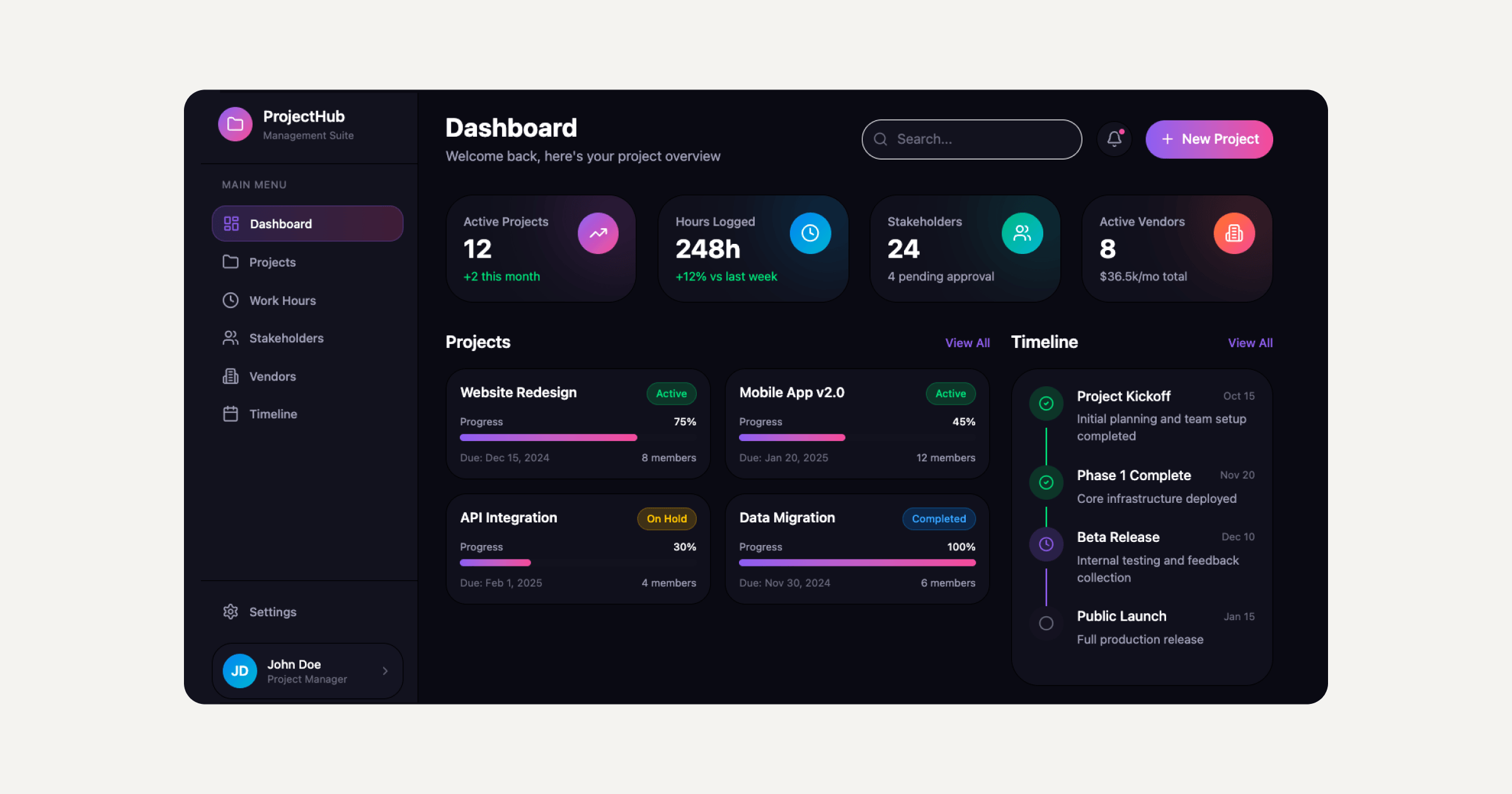
Think of a booking tool. Or a client dashboard. Or a quote calculator your team reaches for every week.
Those aren’t really page-builder jobs. They need application logic, the kind of behavior a static page never has. That’s the gap AI app building fills.
None of this is about swapping tools. Pages that people read stay page work. The app is the part that behaves more like software than content.
Beyond websites, without leaving WordPress behind
Sticklight is built by the Elementor team and powered by Claude. Its whole pitch is “beyond websites,” the tools that start where a page stops. It treats Elementor and WordPress as additive, not as things to replace.
That matters if you’ve spent years building content and rankings on WordPress. You’re not being asked to throw any of that out. You’re adding a new capability to what you already do.
Elementor is a website builder made for WordPress, and WordPress itself is open-source software that runs a huge share of the web. Sticklight comes from the same team, aimed at the jobs neither one was built to do alone.
What actually changes for you as the builder
The work shifts. Instead of hand-coding a feature, or hiring someone to build one, you describe what you want in a prompt.
Claude does the initial heavy lifting on layout and logic. Styling comes together the same way. What you get back first is a working version, not a mockup you’ll rebuild later.
Then you take over. Sticklight keeps every pixel and every line of code editable. Adjust it by prompting again. Or open the canvas and edit the code directly. Nothing is sealed off.
The prompt writes the first draft. Everything after that is still yours.
Sticklight sorts the work into three stages. Prompt is where it starts. You can open with the main prompt box, or reach for Plan Mode when the build is bigger. Templates and Connectors give you a head start instead of a blank page. Build is where Skills and ready-made integrations handle what you’d rather not write from scratch. Manual code editing waits there too, for when you want to shape something by hand. Publish is the last stretch. SEO handling and a security scan run here. A custom domain and hosting come with it, so the finished app is something you can ship. For the fuller sequence, here’s a closer look at building an app with AI.
Being honest about the limits
An AI app builder isn’t a content management system, and it isn’t trying to be one.
If your business runs on blog posts and steady organic traffic, that side stays WordPress work. Product pages belong there too.
App building tools are built for a different job. That job is software with real logic and its own behavior, not static pages.
There’s also a fair question worth asking. When code gets generated for you, who actually owns it? That’s worth reading on its own, so this piece on code ownership is a good next stop.
A practical way to think about fit
Ask what the thing you’re building actually needs to do.
A landing page. A catalog. A blog listing. That’s WordPress and Elementor, same as always.
A tool with real logic, like a quote calculator or a scheduling system, is where AI app building earns its place. You’re not picking one over the other. You’re matching the job to the right tool.
This is also where “beyond websites” starts to make plain sense. A web creator who used to stop at pages can now build the software that sits behind them, and do it inside the same practice.
So keep WordPress for what it’s good at. Add an app for the piece that content pages were never designed to handle.
Most of the sites I touch already have a WordPress install with years of content behind it, so the goal is never to start over, it’s to build the next piece right next to what’s already working.
Itamar Haim
